📖 5 min read
The allure of travel, of exploring new cultures and breathtaking landscapes, is undeniable. However, the environmental impact of our journeys often casts a shadow on these experiences. Single-use plastics, excessive waste generation, and reliance on unsustainable practices are all too common in the travel industry. Fortunately, embracing a zero-waste approach to travel offers a powerful solution, allowing us to minimize our footprint and travel more responsibly, ensuring that future generations can enjoy the same wonders we do. By carefully selecting our essentials and adopting mindful habits, we can significantly reduce the amount of trash we generate and contribute to a cleaner, healthier planet, all while still enjoying the adventure.
1. Essential Zero-Waste Toiletries
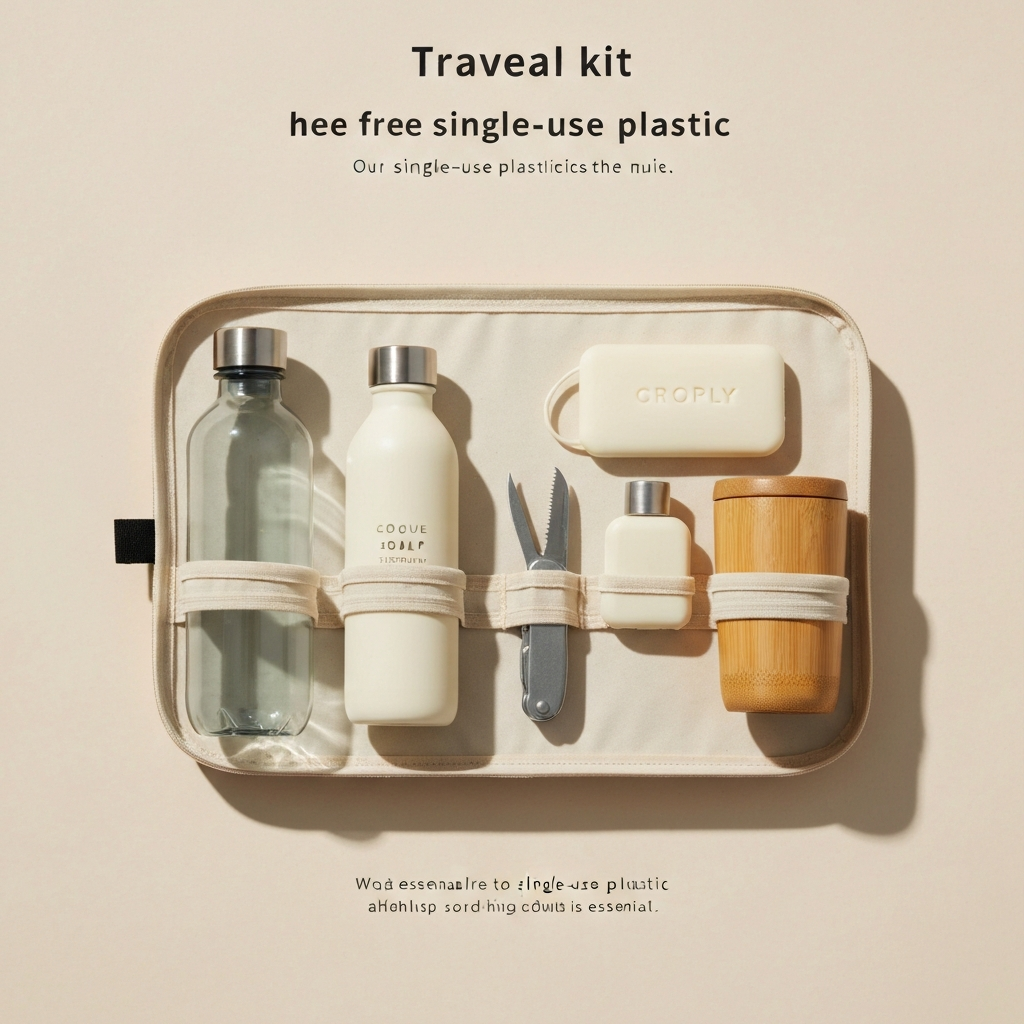
Traditional travel-sized toiletries are a major source of plastic waste. These miniature bottles, often discarded after a single use, contribute significantly to landfill overflow and ocean pollution. Making the switch to reusable and refillable alternatives is one of the most impactful steps you can take towards zero-waste travel. Not only does it reduce plastic consumption, but it also often results in cost savings in the long run.
Consider swapping out disposable plastic bottles of shampoo, conditioner, and body wash for solid alternatives. Solid shampoo bars, conditioner bars, and soap bars are lightweight, compact, and require no plastic packaging. You can find excellent options that cater to various hair and skin types. Store them in reusable tins or containers to keep them dry and protected during transit. Alternatively, opt for refillable travel-sized bottles that you can fill with your favorite bulk-bought products at home. This eliminates the need to purchase new plastic bottles for every trip. Furthermore, investigate local refill shops at your destination for convenient and sustainable restocking.
Beyond the basics, consider other toiletry swaps. Use a bamboo toothbrush with replaceable heads, natural toothpaste in a glass jar or solid toothpaste tablets, and a safety razor with replaceable blades instead of disposable plastic razors. For menstrual hygiene, switch to a menstrual cup or reusable cloth pads. These products significantly reduce waste and are often more comfortable and cost-effective than their disposable counterparts. By carefully curating your zero-waste toiletry kit, you can significantly decrease your environmental impact and travel with a clear conscience.
2. Pack a Zero-Waste Dining Kit
Food waste and single-use food packaging are rampant during travel. From grabbing takeout meals in styrofoam containers to using plastic utensils for snacks on the go, the opportunities for generating waste are abundant. Preparing a zero-waste dining kit allows you to avoid these wasteful scenarios and enjoy meals and snacks responsibly.
- Reusable Utensils: A set of durable, reusable utensils (fork, spoon, knife) is an absolute must-have. Choose a set made from bamboo, stainless steel, or even recycled plastic. Many retailers offer compact travel utensil sets that come with a carrying case for convenient storage and hygiene.
- Reusable Water Bottle: Staying hydrated is crucial during travel, but relying on single-use plastic water bottles is environmentally damaging. Invest in a high-quality, reusable water bottle that you can refill throughout your journey. Opt for a bottle made from stainless steel or glass, which are durable, easy to clean, and free from harmful chemicals. Consider a foldable water bottle to save space when empty.
- Reusable Food Containers: Pack a variety of reusable food containers in different sizes to store leftovers, pack snacks, and carry meals. Choose containers made from stainless steel, glass, or silicone. These materials are durable, leak-proof, and easy to clean. Collapsible silicone containers are especially useful for saving space in your luggage.
3. Smart Packing for Minimal Waste
Pro Tip: Plan your outfits strategically and pack versatile clothing items that can be mixed and matched. This will reduce the amount of clothing you need to bring, minimizing the weight of your luggage and the potential for unnecessary waste.
Thoughtful packing is essential for minimizing waste during travel. Before you even start packing, take a moment to assess your needs and create a detailed packing list. Avoid impulse packing and focus on bringing only the items you truly need. This reduces the likelihood of bringing unnecessary items that may end up being discarded during your trip. Furthermore, it is important to consider the packaging of the items you bring. Choose products with minimal or no packaging whenever possible. Opt for items that come in reusable or recyclable containers.
When packing your clothes, consider rolling them instead of folding them. This technique saves space and reduces wrinkles, allowing you to pack more efficiently. Use packing cubes to organize your belongings and keep them separate. This also makes it easier to find what you need without having to unpack everything. Instead of relying on disposable plastic bags to store dirty laundry, pack a reusable laundry bag made from cotton or hemp. This will prevent your clean clothes from getting mixed up with your dirty ones and reduce plastic waste.
By adopting these smart packing strategies, you can significantly reduce the amount of waste you generate during travel. Furthermore, you can contribute to a more sustainable travel experience by minimizing your consumption of resources. Remember that every small action counts, and that by making conscious choices, you can make a positive impact on the environment.
Conclusion
Adopting zero-waste practices while traveling is not just a trend, but a responsible way to explore the world. By embracing reusable essentials, minimizing packaging, and making conscious consumption choices, we can significantly reduce our environmental impact and contribute to a more sustainable future for travel. The key is to plan ahead, pack strategically, and be mindful of our consumption habits throughout our journey. These small changes collectively make a big difference in preserving the beauty of our planet for generations to come.
The future of travel lies in sustainability. As more travelers become aware of the environmental consequences of their choices, the demand for eco-friendly travel options will continue to grow. By embracing zero-waste travel practices, we can pave the way for a more responsible and sustainable travel industry, ensuring that future generations can enjoy the wonders of the world without compromising its health and beauty. Start small, be consistent, and inspire others to join the movement towards zero-waste travel.
❓ Frequently Asked Questions (FAQ)
What are the best materials for reusable food containers?
Stainless steel, glass, and silicone are excellent choices for reusable food containers. Stainless steel is durable, lightweight, and does not leach chemicals into your food. Glass is also a safe and durable option, but it is heavier than stainless steel and can break if dropped. Silicone is a flexible and lightweight material that is heat-resistant and easy to clean. Choose the material that best suits your needs and preferences.
How can I find refill options for toiletries while traveling?
Researching local refill shops at your destination before you travel is a great first step. Many cities have stores that specialize in offering bulk refills of toiletries and household products. You can also check online directories and apps that list refill locations. Additionally, consider contacting hotels or accommodations in advance to inquire about their refill programs or sustainable toiletry options. Look for brands that prioritize eco-friendly packaging and offer refills to reduce waste during your trip.
What are some tips for reducing food waste while traveling?
Plan your meals and snacks carefully to avoid overbuying food. Opt for smaller portions when eating out or order dishes that you know you can finish. When purchasing food, choose items with minimal packaging or consider buying from local markets where you can often find unpackaged produce. If you have leftover food, store it in your reusable containers and eat it later. If you are unable to consume the leftovers, consider composting them if composting facilities are available at your accommodation or in the area. Avoid taking free condiments or napkins that you don't need, as these often end up in the trash.
Tags: #ZeroWasteTravel #SustainableTravel #EcoFriendlyTravel #PlasticFreeTravel #TravelEssentials #TravelTips #ResponsibleTravel
🔗 Recommended Reading
- Optimizing Lead Generation Forms Best Practices for Higher Conversions
- Ethical Considerations in AI Development Navigating Responsibility
- Saving Money with Energy Efficient Appliances Smart Home Solutions
- Creative Ways to Reuse and Repurpose Items for a Sustainable Home
- Developing Robust Server Side Logic Best Practices and Strategies