📖 5 min read
Laundry, an essential chore in nearly every household, often contributes significantly to plastic waste and environmental pollution. From the bulky plastic jugs of detergent to the microplastics released during washing synthetic fabrics, the impact is undeniable. However, adopting a zero-waste laundry routine doesn't require a complete overhaul; it's about making conscious choices and embracing simple swaps that can drastically reduce your footprint. This guide will provide practical strategies and eco-friendly alternatives that you can easily incorporate into your laundry routine to minimize waste and contribute to a more sustainable future. Let’s explore how to keep your clothes clean and fresh without harming the planet.
1. Ditch the Plastic Jugs- Eco-Friendly Laundry Detergent
The most obvious starting point for zero-waste laundry is replacing traditional liquid detergents packaged in large plastic jugs. These jugs contribute significantly to plastic waste, often ending up in landfills or polluting our oceans. The sheer volume of these containers generated annually is staggering, highlighting the urgent need for alternatives.
Fortunately, several eco-friendly laundry detergent options are available. Laundry detergent sheets, pods with dissolvable packaging, and concentrated powder detergents in cardboard boxes are all excellent choices. Laundry sheets, in particular, are incredibly lightweight and compact, minimizing packaging waste and shipping emissions. Powder detergents, when purchased in bulk, further reduce packaging and can be stored in reusable containers. Consider brands that prioritize sustainable sourcing and transparent ingredient lists, ensuring that your detergent is not only eco-friendly but also safe for your family and the environment.
Transitioning to eco-friendly detergents not only reduces plastic waste but can also save you money in the long run. Concentrated formulas require less product per load, making them more cost-effective. Additionally, supporting brands committed to sustainability encourages innovation and drives demand for more environmentally responsible products. Experiment with different options to find the detergent that best suits your needs and laundry habits, contributing to a cleaner planet with every wash.
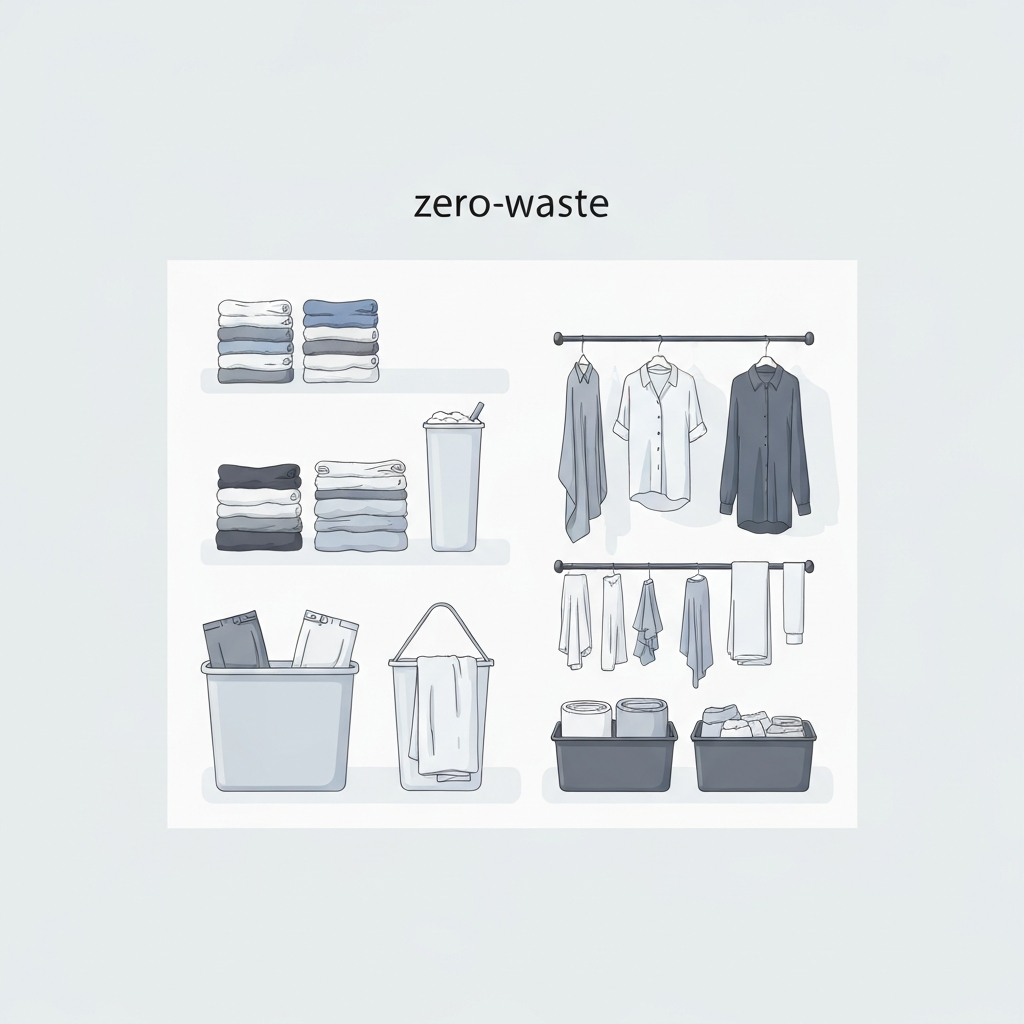
2. Zero-Waste Washing Essentials- Beyond Detergent
Beyond detergent, several other laundry essentials can be swapped for zero-waste alternatives, further minimizing your environmental impact. These swaps address often-overlooked sources of waste in the laundry room and contribute to a more holistic approach to sustainable cleaning.
- Wool Dryer Balls: Replace disposable dryer sheets with reusable wool dryer balls. Dryer sheets are often made with synthetic materials and chemicals, contributing to waste and potentially irritating sensitive skin. Wool dryer balls, on the other hand, are a natural and reusable alternative. They help to soften fabrics, reduce drying time, and eliminate static cling. Simply toss a few wool dryer balls into your dryer with each load and reuse them for hundreds of cycles. Once they lose their effectiveness, they can be composted, making them a truly zero-waste option.
- Stain Removers in Sustainable Packaging: Many conventional stain removers come in plastic bottles or aerosol cans. Opt for stain removers that are packaged in reusable or compostable containers, such as glass jars or cardboard tubes. Alternatively, you can make your own stain remover using natural ingredients like baking soda, vinegar, and lemon juice. These ingredients are effective at removing a wide range of stains and are safe for both your clothes and the environment.
- Laundry Bags for Delicates: Protect delicate items like lingerie and hosiery by using reusable laundry bags instead of disposable plastic bags. Look for laundry bags made from natural fibers like cotton or linen. These bags prevent snags and tears during washing and can be used for years, eliminating the need for single-use plastic bags. Furthermore, using laundry bags helps to contain microfibers released from synthetic clothing, preventing them from entering our waterways.
3. DIY Laundry Solutions- Embrace Natural Ingredients
Consider creating your own laundry detergent using simple, natural ingredients like washing soda, borax, and grated castile soap. This minimizes packaging and ensures complete control over ingredients.
Crafting your own laundry solutions offers an even greater level of control over the ingredients and packaging involved in your laundry routine. It's a cost-effective way to reduce waste and ensure that your cleaning products are free from harsh chemicals and synthetic fragrances. The process is surprisingly simple, and many recipes require only a few readily available ingredients.
One popular DIY laundry detergent recipe involves combining washing soda, borax, and grated castile soap. Washing soda helps to lift dirt and grease, while borax acts as a natural disinfectant and brightener. Castile soap, made from vegetable oils, provides gentle yet effective cleaning power. Simply mix these ingredients together and store in an airtight container. Use one to two tablespoons per load, depending on the size and soil level. You can also customize your detergent by adding essential oils for fragrance or baking soda for extra whitening power.
DIY laundry solutions empower you to create a personalized and sustainable cleaning routine that aligns with your values. By using natural ingredients and reducing packaging waste, you can minimize your environmental impact and create a healthier home environment. Embrace the opportunity to experiment and discover the perfect DIY laundry solutions that meet your unique needs and preferences. Furthermore, making your own laundry products can be a fun and rewarding experience, fostering a deeper connection to the ingredients you use and the impact you have on the planet.
Conclusion
Transitioning to a zero-waste laundry routine is a simple yet impactful way to reduce your environmental footprint. By embracing eco-friendly detergents, reusable laundry essentials, and DIY solutions, you can significantly minimize plastic waste and contribute to a more sustainable future. Every small change makes a difference, and collectively, these swaps can have a profound impact on our planet.
The future of laundry is undoubtedly sustainable. As consumers become more aware of the environmental consequences of conventional cleaning products, demand for eco-friendly alternatives will continue to grow. Embrace the opportunity to be a part of this positive change by adopting zero-waste laundry practices and inspiring others to do the same. Together, we can create a cleaner, healthier, and more sustainable world for generations to come.
❓ Frequently Asked Questions (FAQ)
Are laundry detergent sheets as effective as traditional liquid detergents?
Yes, laundry detergent sheets can be just as effective as traditional liquid detergents, provided you choose a reputable brand and follow the instructions carefully. Many detergent sheets are formulated with concentrated cleaning agents that dissolve quickly and effectively in water, removing dirt, stains, and odors. Look for sheets that are fragrance-free and hypoallergenic if you have sensitive skin. It's also important to note that the effectiveness of any detergent, regardless of its form, can depend on factors such as water temperature, load size, and the severity of the stains.
How do wool dryer balls actually work to reduce drying time?
Wool dryer balls work by creating space between the clothes in the dryer, allowing hot air to circulate more efficiently. This improved airflow reduces drying time and helps to prevent clothes from clumping together. Additionally, wool naturally absorbs moisture, further accelerating the drying process. The gentle friction of the wool against the fabrics also helps to soften them, reducing the need for fabric softener. Using several dryer balls in each load will maximize their effectiveness, and you can refresh them periodically by adding a few drops of essential oil.
Is it safe to use homemade laundry detergent on all types of fabrics?
While homemade laundry detergent is generally safe for most fabrics, it's always a good idea to test it on a small, inconspicuous area first, especially if you are washing delicate or brightly colored items. Some ingredients, like borax, can be harsh on certain fabrics or dyes, so caution is advised. For delicate fabrics like silk or wool, consider using a gentler homemade detergent recipe that excludes borax and uses a milder soap. Always follow the care instructions on your clothing labels and adjust your detergent recipe accordingly to ensure the best results and prevent damage.
Tags: #ZeroWasteLaundry #SustainableLiving #EcoFriendlyCleaning #PlasticFreeLaundry #DIYLaundry #LaundrySwaps #GoGreen
🔗 Recommended Reading
- Optimizing Lead Generation Forms Best Practices for Higher Conversions
- Ethical Considerations in AI Development Navigating Responsibility
- Saving Money with Energy Efficient Appliances Smart Home Solutions
- Creative Ways to Reuse and Repurpose Items for a Sustainable Home
- Developing Robust Server Side Logic Best Practices and Strategies