📖 5 min read
The allure of cheap, green energy is strong. Solar panels offer a pathway to sustainability, reducing reliance on fossil fuels and potentially lowering electricity bills. But the initial investment can be a barrier for many. Used solar panels present an attractive alternative, promising significant cost savings. However, the world of pre-owned solar technology is filled with potential pitfalls, from degraded performance to voided warranties. This article will comprehensively analyze the risks and rewards associated with buying used solar panels, providing the knowledge needed to navigate this complex market and decide if the potential savings outweigh the inherent uncertainties. We'll delve into factors affecting panel lifespan, degradation rates, and crucial inspection points to ensure you're making a smart and informed decision for your energy future.
1. Understanding Solar Panel Lifespan and Degradation
Solar panels don't last forever. While manufacturers often advertise warranties of 25 years or more, this refers to performance warranties, not a guarantee of complete functionality. All solar panels degrade over time, meaning their power output gradually decreases. This degradation is primarily caused by exposure to sunlight, temperature fluctuations, and environmental factors. The typical degradation rate for modern solar panels is around 0.5% to 1% per year, meaning a panel producing 300 watts initially might only produce 270-285 watts after 10 years.
Several factors influence the rate of degradation, including the quality of materials used in the panel construction, the climate in which the panel is installed, and the panel's operating temperature. Panels exposed to extreme heat or humidity will likely degrade faster than those in milder climates. Poor quality panels, particularly older models, may exhibit much higher degradation rates. Understanding these degradation factors is crucial when evaluating used solar panels. For instance, a panel advertised as "only 5 years old" might already be performing significantly below its original specifications if it was subjected to harsh environmental conditions.
When considering used solar panels, it's essential to obtain as much information as possible about their history. Where were they installed? What was the climate like? How were they maintained? If the seller cannot provide this information, it's best to proceed with caution. A professional inspection can also reveal clues about the panel's past, such as signs of physical damage or excessive wear. Ultimately, understanding degradation rates will help you to accurately assess the long-term value of used solar panels and determine if they meet your energy needs.
2. Key Risks Associated with Used Solar Panels
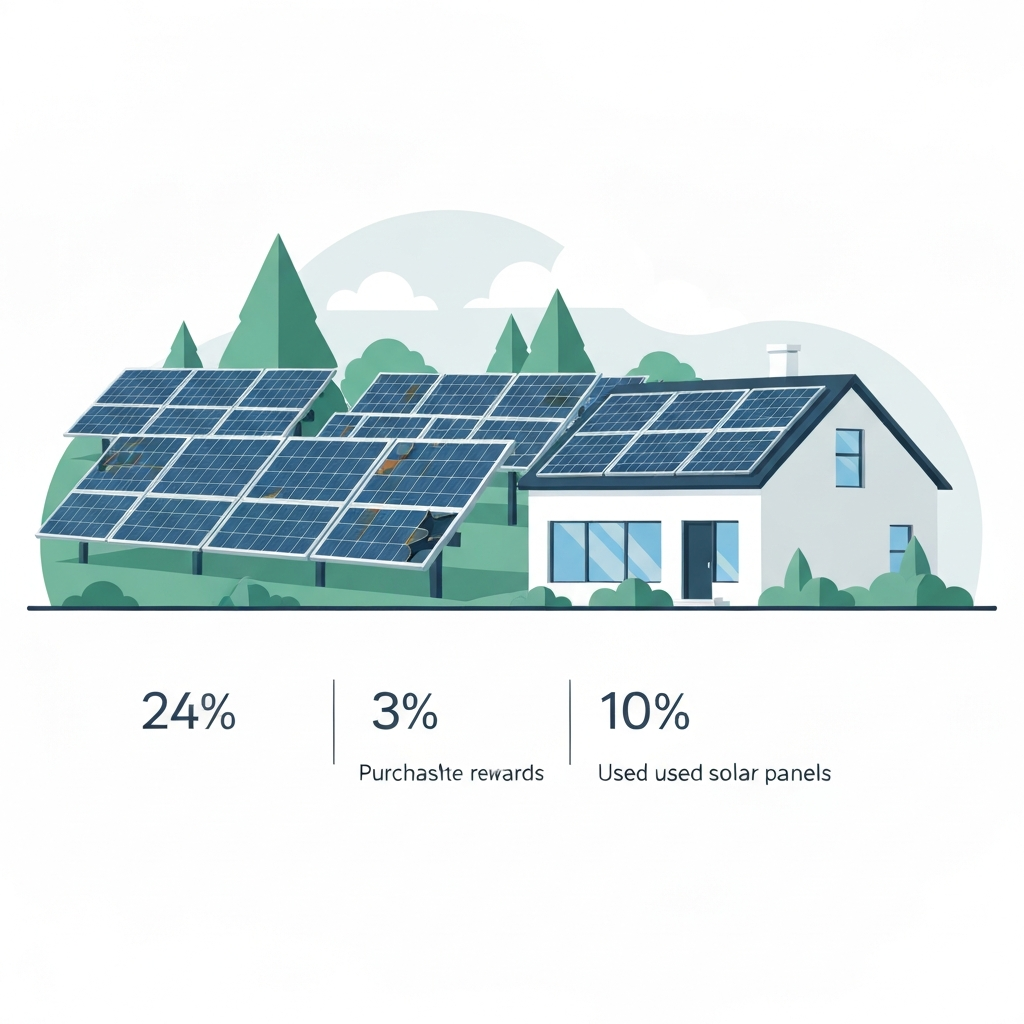
While the lower price tag of used solar panels can be tempting, it's vital to be aware of the potential risks involved. Buying used panels without proper diligence can lead to significant financial losses and headaches in the long run. Some risks stem from panel quality, others from lacking crucial protections.
- Reduced Performance: As mentioned previously, solar panels degrade over time. Used panels will inevitably have reduced performance compared to new panels. Accurately assessing the level of degradation can be difficult without professional testing equipment, making it challenging to determine if the panels will meet your energy needs. The performance decrease can range from minimal to significant, based on age, original build quality and environmental factors.
- Warranty Issues: Solar panel warranties typically cover defects in materials and workmanship, as well as performance degradation. However, these warranties are often non-transferable, meaning they are voided when the panels are sold to a new owner. Without a valid warranty, you will be responsible for all repair or replacement costs if the panels fail. Furthermore, proving the exact cause of failure in used panels can be particularly difficult, potentially complicating any warranty claims, even if one exists.
- Unknown History and Condition: You may not have complete information about the panel's history, including how it was used, maintained, and stored. Panels may have been damaged during installation, removal, or transportation, potentially affecting their performance and lifespan. Hidden micro-cracks, often invisible to the naked eye, can significantly reduce panel efficiency. Without a transparent history, it is impossible to be certain of a panel's true condition and expected lifespan.
3. Mitigating Risks and Making Informed Decisions
Pro Tip: Always insist on a professional inspection of used solar panels before making a purchase. This can reveal hidden defects and help you accurately assess their performance.
While buying used solar panels presents risks, they can be mitigated through careful research, inspection, and negotiation. Thoroughly vetting the seller is crucial. Are they a reputable company with a track record of selling quality used equipment, or are they an individual looking to offload unwanted panels? Checking online reviews and seeking references can provide valuable insights into the seller's reliability and business practices. Ask detailed questions about the panel's history and maintenance records; transparent sellers will readily provide this information.
A professional inspection is indispensable. A qualified solar panel technician can assess the panel's condition, test its performance, and identify any potential problems. This inspection should include a visual examination for signs of physical damage, such as cracks or delamination, as well as electrical testing to measure voltage and current output. Ideally, the technician should use an IV curve tracer to generate a performance curve for the panel, which can be compared to the manufacturer's specifications to determine the level of degradation. This inspection provides objective data to inform your decision.
Finally, consider the overall cost-benefit analysis. Even with a lower price, used solar panels may not be the best long-term investment if their performance is significantly degraded or if they require frequent repairs. Factor in the cost of installation, inspection, and potential future maintenance. Compare the total cost of ownership of used panels versus new panels, considering the energy savings and environmental benefits over the expected lifespan of each option. This comprehensive evaluation will help determine the true value proposition of used solar panels.
Conclusion
Deciding whether to purchase used solar panels involves carefully weighing the potential cost savings against the inherent risks. While the allure of a lower price point is undeniable, factors like performance degradation, warranty limitations, and unknown histories demand thorough consideration. Making an informed decision requires diligent research, including understanding solar panel lifespan and degradation rates, identifying potential risks, and employing mitigation strategies such as professional inspections.
The future of used solar panels may see increased transparency and standardization. Efforts to create certification programs for used panels, guaranteeing performance and condition, could reduce risk for consumers. Advancements in testing technologies could also lead to more accurate and affordable ways to assess panel degradation. Ultimately, whether used solar panels are worth the risk depends on individual circumstances, risk tolerance, and the availability of reliable information and professional support.
❓ Frequently Asked Questions (FAQ)
What is the typical lifespan of a solar panel?
Most solar panels are designed to last for 25-30 years, with manufacturers often providing performance warranties guaranteeing a certain percentage of original output after this period. However, this doesn't mean the panel will completely stop working after 30 years, it simply means its efficiency will likely have decreased. The actual lifespan can vary depending on factors like the quality of the panel, the climate it's exposed to, and how well it is maintained. Even after 30 years, many panels can continue to produce a significant amount of electricity, albeit at a reduced rate.
How can I tell if a used solar panel is still in good condition?
Visually inspect the panel for any signs of damage, such as cracks, discoloration, or delamination. Use a multimeter to test the voltage and current output of the panel under sunlight and compare it to the manufacturer's specifications, if available. If possible, hire a professional solar panel technician to perform a more thorough inspection using specialized equipment like an IV curve tracer. This equipment can generate a performance curve for the panel, which can be compared to the original specifications to determine the extent of degradation.
What questions should I ask the seller of used solar panels?
Inquire about the panel's history, including how long it was used, where it was installed, and how it was maintained. Ask if the panel has ever been subjected to any extreme weather conditions or physical damage. Request any available performance data or testing results. Clarify whether a warranty is included and if it is transferable. If the seller is not the original owner, ask how they acquired the panels and why they are selling them. Understanding the complete history of the panels allows you to evaluate potential future concerns.
Tags: #SolarPanels #UsedSolar #RenewableEnergy #Sustainability #EnergyEfficiency #SolarPower #GreenEnergy