📖 5 min read
In our pursuit of a sustainable lifestyle, often the small changes make the biggest impact. One such change is transitioning to sustainable home lighting. Traditional incandescent bulbs are energy hogs, contributing significantly to both your electricity bill and your carbon footprint. Embracing eco-friendly lighting solutions not only reduces your environmental impact but also enhances the ambiance and comfort of your living spaces. This comprehensive guide explores the various sustainable lighting options available, providing practical insights and tips to help you illuminate your home responsibly and efficiently.
1. Understanding LED Lighting Technology
Light-Emitting Diodes (LEDs) represent a paradigm shift in lighting technology. Unlike traditional incandescent bulbs that produce light by heating a filament, LEDs generate light through electroluminescence, a process that is far more efficient. This fundamental difference translates into significant energy savings and a longer lifespan, making LEDs the cornerstone of sustainable home lighting.
To illustrate the efficiency of LEDs, consider this- a typical 60-watt incandescent bulb can be replaced by a 8-12 watt LED bulb that produces the same amount of light (measured in lumens). This means that you can reduce your lighting energy consumption by up to 80% simply by switching to LEDs. Furthermore, LED bulbs can last up to 25 times longer than incandescent bulbs, reducing the frequency of replacements and minimizing waste. For example, a high-quality LED bulb might boast a lifespan of 25,000 hours, while an incandescent bulb may only last for 1,000 hours.
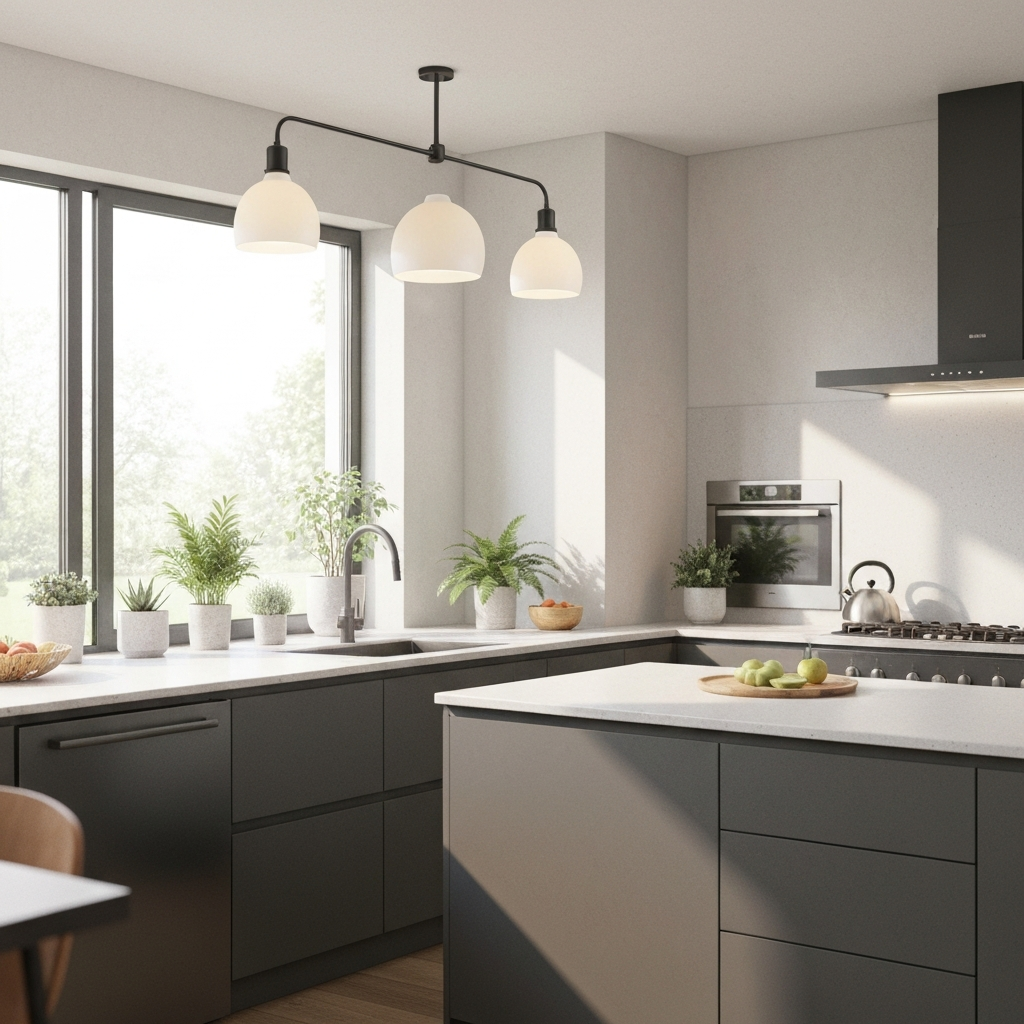
The practical implications of adopting LED lighting extend beyond cost savings and environmental benefits. LEDs are also more versatile in terms of design and functionality. They are available in a wide range of color temperatures, allowing you to customize the ambiance of your home. Warm white LEDs create a cozy and inviting atmosphere, while cool white LEDs are ideal for task lighting in kitchens and offices. Moreover, LEDs are compatible with dimming switches, giving you precise control over the brightness and energy consumption of your lighting.
2. Exploring Different Types of Sustainable Lighting
While LEDs are the most common type of sustainable lighting, there are several other options to consider for a comprehensive eco-friendly approach. These include compact fluorescent lamps (CFLs), halogen lamps, and even natural light optimization strategies. Understanding the pros and cons of each option will help you make informed decisions about the best lighting solutions for your home.
- Compact Fluorescent Lamps (CFLs): CFLs were once a popular alternative to incandescent bulbs due to their higher energy efficiency. While they are more efficient than incandescent bulbs, they are less efficient than LEDs and contain mercury, which requires careful disposal. CFLs also have a shorter lifespan compared to LEDs and can take longer to reach full brightness.
- Halogen Lamps: Halogen lamps are a type of incandescent bulb that is slightly more energy-efficient than traditional incandescent bulbs. However, they are still significantly less efficient than LEDs and have a shorter lifespan. Halogen lamps also produce a lot of heat, which can contribute to higher cooling costs in the summer.
- Natural Light Optimization: Maximizing natural light is a crucial aspect of sustainable home lighting. By strategically positioning windows and skylights, you can reduce your reliance on artificial lighting during the day. Using light-colored paints and reflective surfaces can also help to distribute natural light more effectively throughout your home. Consider installing solar tubes to bring natural light into interior spaces that lack windows.
3. Integrating Solar Power for Lighting
Pro Tip: Combine LED lighting with solar power to achieve the highest level of sustainability. Use solar panels to generate electricity and then use that electricity to power your LED lights.
One of the most impactful ways to enhance the sustainability of your home lighting is to integrate it with solar power. By installing residential solar panels, you can generate your own clean electricity and significantly reduce your reliance on the grid. This is especially beneficial for powering energy-efficient LED lights, creating a truly eco-friendly lighting system.
To implement this strategy, begin by assessing your home's solar energy potential. Factors such as roof orientation, shading, and local climate will influence the amount of electricity your solar panels can generate. Consult with a solar panel installation expert to determine the optimal size and configuration of your solar panel system. Once your solar panels are installed, connect them to an inverter to convert the DC electricity generated by the panels into AC electricity that can be used to power your home. You can then use this solar-generated electricity to power your LED lights and other appliances.
The value proposition of combining solar power with LED lighting is compelling. Not only will you significantly reduce your carbon footprint, but you will also lower your electricity bills. In some cases, you may even be able to sell excess electricity back to the grid through a net metering program, further reducing your energy costs. This combination is a powerful step towards energy independence and environmental stewardship.
🔗 Recommended Reading
Conclusion
Adopting sustainable home lighting solutions is a win-win for both your wallet and the environment. By transitioning to energy-efficient LED lighting, exploring alternative lighting options, and integrating solar power, you can significantly reduce your energy consumption, lower your carbon footprint, and create a more comfortable and inviting home environment. The shift towards sustainable lighting is a simple yet effective way to contribute to a greener future, empowering you to make a positive impact on the planet.
Looking ahead, the future of home lighting is poised to become even more sustainable and technologically advanced. We can expect to see further improvements in LED efficiency, the development of smart lighting systems that automatically adjust brightness based on occupancy and ambient light levels, and the wider adoption of solar-powered lighting solutions. Embrace these innovations and continue to seek out ways to make your home lighting even more sustainable.
❓ Frequently Asked Questions (FAQ)
How do I choose the right LED bulb for my needs?
When choosing an LED bulb, consider several factors, including the brightness (lumens), color temperature (Kelvin), and wattage. Lumens measure the amount of light produced, so choose a higher lumen value for brighter light. Color temperature determines the warmth or coolness of the light; warm white (2700-3000K) is ideal for living rooms and bedrooms, while cool white (4000-5000K) is better for kitchens and offices. Finally, select a wattage that is equivalent to the incandescent bulb you are replacing to ensure the same level of brightness with lower energy consumption. For example, replace a 60-watt incandescent with an 8-12 watt LED.
What is the best way to dispose of old CFL bulbs safely?
CFL bulbs contain mercury, which is a hazardous substance, so proper disposal is essential. Never throw CFL bulbs in the regular trash. Instead, take them to a local recycling center or hazardous waste collection facility. Many hardware stores and retailers that sell CFL bulbs also offer recycling programs. If a CFL bulb breaks, carefully clean up the broken glass and mercury using gloves and a sealed container, and then contact your local waste management authority for instructions on proper disposal. By taking these precautions, you can minimize the risk of mercury contamination.
How can I maximize natural light in my home?
There are several strategies you can employ to maximize natural light in your home. Start by keeping windows clean to allow as much light as possible to enter. Use light-colored paint on walls and ceilings to reflect light more effectively. Position mirrors strategically to bounce light around the room. Trim trees and shrubs that may be blocking sunlight from entering your windows. Consider installing skylights or solar tubes in areas that lack natural light. Finally, arrange furniture to avoid blocking windows and allow light to penetrate deeper into the room.
Tags: #SustainableLighting #LEDLighting #SolarPower #GreenHome #EnergyEfficiency #EcoFriendly #HomeImprovement