📖 5 min read
In today's world, our impact on the environment is undeniable, and even our cleaning routines contribute to the problem. Traditional cleaning products are often laden with harmful chemicals, packaged in single-use plastics, and generate significant waste. Embracing sustainable home cleaning practices isn't just about a cleaner house; it's about a cleaner planet. This comprehensive guide will equip you with practical strategies to reduce household waste, eliminate single-use plastics, and create a healthier living environment for you and your family. By adopting these eco-friendly habits, you'll not only minimize your carbon footprint but also save money and discover the effectiveness of natural cleaning solutions. Let's dive into the world of sustainable cleaning and transform your home into an eco-haven.
1. DIY Cleaning Solutions - The Power of Simplicity
Creating your own cleaning solutions is a cornerstone of sustainable home cleaning. Many commercial cleaners contain harsh chemicals that can be harmful to both your health and the environment. By opting for DIY alternatives, you gain control over the ingredients and reduce plastic packaging waste. These homemade solutions are often just as effective, if not more so, than their store-bought counterparts.
One of the most versatile DIY cleaning ingredients is white vinegar. Its acidic properties make it an excellent disinfectant, degreaser, and deodorizer. You can use it diluted with water as an all-purpose cleaner, or mix it with baking soda to create a powerful scrubbing paste for stubborn stains. Another essential ingredient is baking soda, a mild abrasive and natural deodorizer. It's perfect for cleaning ovens, sinks, and even whitening teeth. Essential oils like lemon, tea tree, and lavender can be added to your DIY cleaners for their antibacterial properties and pleasant scents. For example, mixing vinegar, water, and a few drops of lemon essential oil creates a refreshing and effective glass cleaner.
Making your own cleaning products is surprisingly easy and cost-effective. Start by experimenting with simple recipes like a vinegar-based all-purpose cleaner or a baking soda paste for scrubbing. Store your DIY solutions in reusable glass bottles or containers to further reduce plastic waste. By embracing DIY cleaning, you'll not only minimize your environmental impact but also create a healthier and more sustainable home.
2. Eco-Friendly Cleaning Tools - Ditch the Disposables
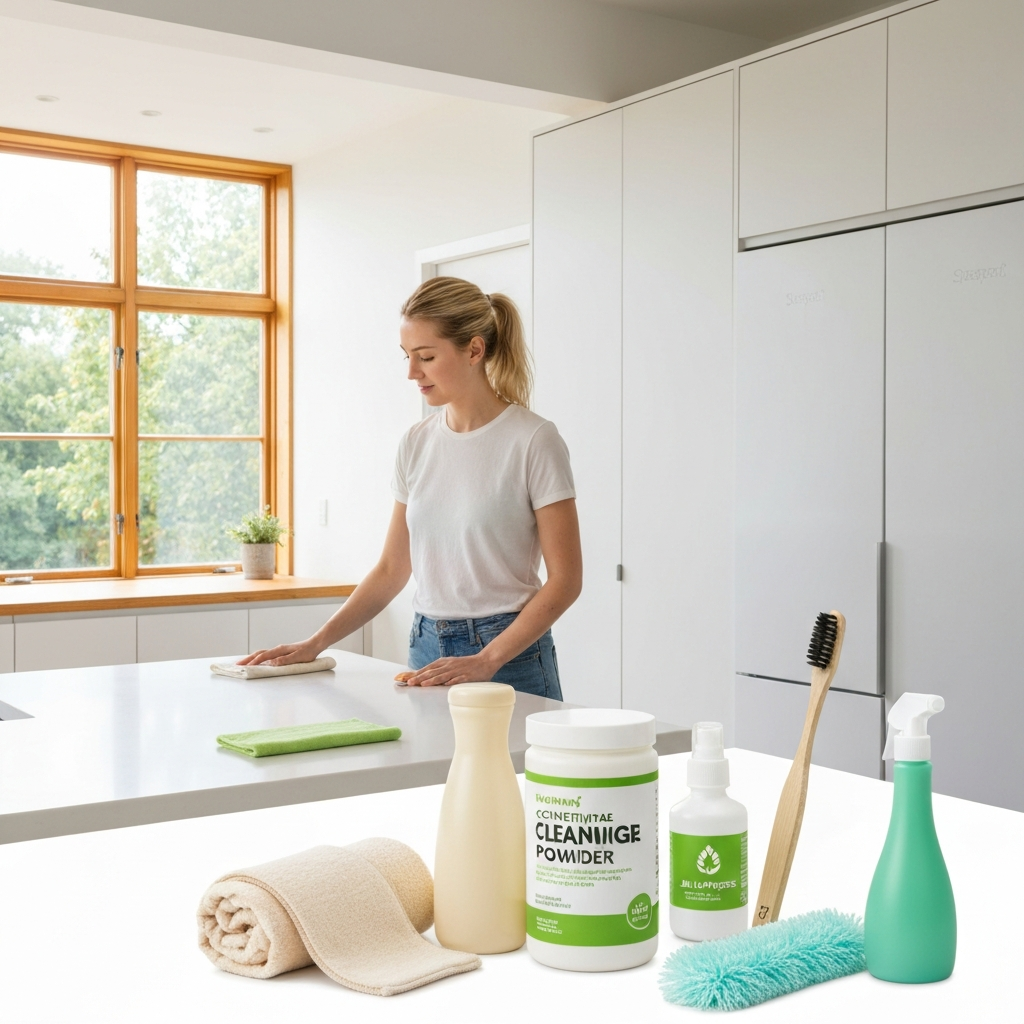
Beyond the cleaning solutions themselves, the tools we use play a significant role in generating waste. Single-use sponges, paper towels, and plastic scrub brushes contribute to overflowing landfills. Switching to eco-friendly alternatives can significantly reduce your environmental impact. Here are some essential eco-friendly cleaning tool swaps:
- Reusable Cleaning Cloths: Replace paper towels with reusable microfiber cloths or cut up old t-shirts and towels. Microfiber cloths are highly absorbent and can be washed and reused hundreds of times. When they eventually wear out, consider donating them to an animal shelter.
- Wooden Scrub Brushes: Opt for wooden scrub brushes with natural bristles instead of plastic ones. Wooden brushes are biodegradable and often more durable than their plastic counterparts. Choose brushes with replaceable heads to extend their lifespan even further.
- Natural Sponges: Ditch synthetic sponges and switch to natural sea sponges or biodegradable cellulose sponges. Natural sea sponges are renewable resources and offer excellent absorbency and scrubbing power. Cellulose sponges are made from wood pulp and are compostable, making them a great alternative to plastic sponges.
3. Refillable Cleaning Products - Embrace the Refill Revolution
Seek out local stores or online retailers that offer refillable cleaning products. This significantly reduces plastic waste and often saves you money in the long run.
The refill revolution is gaining momentum, with an increasing number of companies offering cleaning products in concentrated forms that can be diluted with water. This approach dramatically reduces the amount of packaging required, as you only need to purchase the initial bottle once. Many stores now offer refill stations where you can bring your own containers and refill them with various cleaning products, from dish soap to laundry detergent.
When choosing refillable cleaning products, look for those that are made with natural and biodegradable ingredients. This ensures that you're not only reducing plastic waste but also minimizing the environmental impact of the cleaning solutions themselves. Consider supporting local businesses that prioritize sustainability and offer eco-friendly refill options. By embracing refillable cleaning products, you're actively participating in a circular economy and reducing your reliance on single-use plastics.
Refilling is a simple yet powerful way to reduce your carbon footprint and promote a more sustainable lifestyle. It encourages responsible consumption and supports businesses that are committed to environmental stewardship. Take the time to research refill options in your area and make the switch to a more eco-conscious cleaning routine.
🔗 Recommended Reading
Conclusion
Sustainable home cleaning is more than just a trend; it's a necessary shift towards a more environmentally responsible lifestyle. By embracing DIY solutions, eco-friendly tools, and refillable products, you can significantly reduce your household waste and minimize your impact on the planet. Every small change contributes to a larger positive effect, creating a healthier and more sustainable future for generations to come. Start by implementing one or two of these strategies and gradually incorporate more as you become more comfortable with sustainable cleaning practices.
The future of home cleaning lies in eco-consciousness and mindful consumption. As more consumers demand sustainable alternatives, the market will continue to evolve, offering even more innovative and environmentally friendly cleaning solutions. By embracing these changes and advocating for a zero-waste lifestyle, we can collectively create a cleaner, greener, and more sustainable world.
❓ Frequently Asked Questions (FAQ)
What are the best essential oils to use in DIY cleaning products?
Several essential oils are excellent for DIY cleaning due to their antibacterial, antifungal, and antiviral properties. Lemon essential oil is a powerful degreaser and disinfectant, ideal for cleaning kitchen surfaces and appliances. Tea tree oil is a potent antiseptic and can be used to combat mold and mildew in bathrooms. Lavender essential oil offers antibacterial properties and a calming scent, making it suitable for general cleaning and freshening up your home. Always dilute essential oils with water or vinegar before using them on surfaces.
How do I properly dispose of old cleaning products?
Improper disposal of cleaning products can be harmful to the environment and pose health risks. Never pour cleaning products down the drain or into the toilet, as this can contaminate water sources. Check with your local waste management authorities for information on hazardous waste disposal programs. Many communities offer collection events or drop-off locations for household hazardous waste, including cleaning products. If a product is not considered hazardous, you may be able to empty the container completely and recycle it according to your local recycling guidelines.
Are DIY cleaning solutions as effective as commercial cleaners?
DIY cleaning solutions can be just as effective as commercial cleaners, and in some cases, even more so. The key is to use the right ingredients for the specific cleaning task. For example, vinegar is a powerful disinfectant and degreaser, while baking soda is an excellent abrasive cleaner and deodorizer. When combined with essential oils, these natural ingredients can create effective and eco-friendly cleaning solutions. While some commercial cleaners may contain stronger chemicals for heavy-duty cleaning, DIY solutions are often sufficient for everyday cleaning tasks and offer a healthier and more sustainable alternative.
Tags: #SustainableCleaning #ZeroWasteHome #EcoFriendlyLiving #DIYCleaners #PlasticFree #GreenCleaning #HomeSustainability