📖 5 min read
Investing in solar energy is a significant decision, and understanding the financial implications is paramount. One of the most critical factors to consider is the Return on Investment (ROI) and, more specifically, the payback time – the period it takes for your solar panel system to generate enough savings to cover its initial cost. This involves a careful analysis of several factors, including system costs, energy production, local electricity rates, and available incentives. This comprehensive guide will walk you through the process of calculating your solar payback time, equipping you with the knowledge needed to make an informed decision about going solar. By understanding the factors that influence payback, you can accurately assess the financial benefits of solar energy for your home or business, ensuring a worthwhile investment.
1. Understanding the Basics of Solar Payback Time
Solar payback time refers to the estimated number of years it will take for the cumulative savings from a solar panel system to equal the initial investment. This metric is crucial for evaluating the financial viability of a solar project. A shorter payback time indicates a more attractive investment, as it means you'll start seeing a return on your investment sooner. Conversely, a longer payback time might suggest that solar may not be the most financially advantageous option, depending on your specific circumstances and energy needs.
The calculation of solar payback time involves several key components. Firstly, the total cost of the solar panel system, including equipment, installation, and any necessary permits, needs to be determined. Secondly, you must estimate the annual energy production of the system, which depends on factors like system size, location, panel efficiency, and shading. Thirdly, the local electricity rate plays a significant role; higher electricity rates will result in greater savings and a faster payback. Finally, any available incentives, such as tax credits, rebates, and net metering programs, should be factored in, as they can significantly reduce the initial cost and accelerate the payback process. For example, a 30% federal tax credit on the system's cost can dramatically lower the out-of-pocket expense and hasten the timeline for recouping your investment.
Calculating solar payback time allows homeowners and businesses to compare the cost of solar to the ongoing expense of purchasing electricity from the grid. It also helps in making a reasoned decision about whether solar is a worthwhile investment, considering their financial goals and energy consumption patterns. For instance, someone in a sunny region with high electricity rates and generous incentives may find that solar has a payback time of just 5-7 years, making it an exceptionally attractive investment. On the other hand, someone in a less sunny area with lower electricity rates and fewer incentives might have a longer payback time, requiring a more careful evaluation of the financial benefits. Understanding these implications is essential for aligning solar investments with individual financial strategies and energy needs.
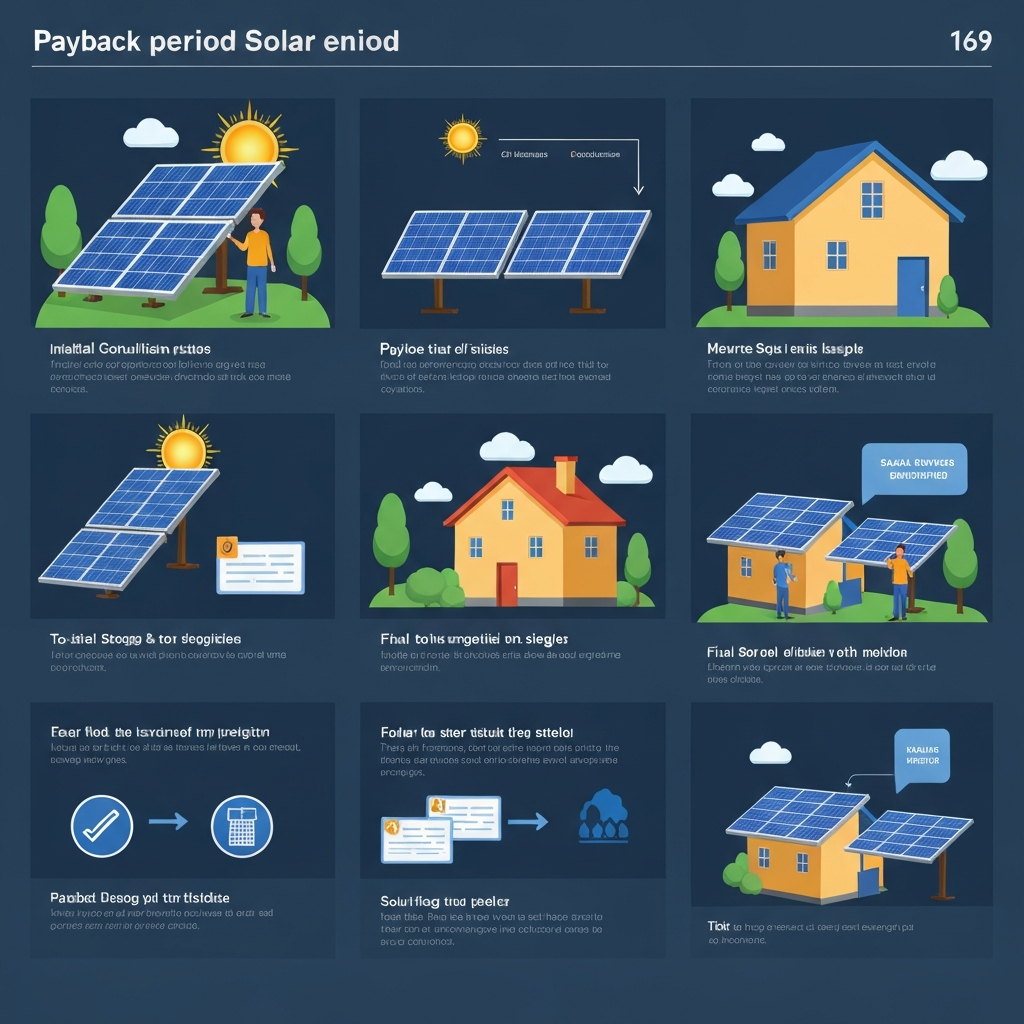
2. Factors Influencing Solar Payback Time
Several factors can significantly influence the payback time of a solar panel system. Understanding these factors is essential for accurately estimating your payback time and making informed decisions about your solar investment. These factors can be broadly categorized into system-related costs, energy production considerations, and financial incentives.
- System Cost: The initial cost of the solar panel system, including the panels themselves, inverters, racking, and installation expenses, is a primary driver of payback time. Higher system costs will naturally lead to a longer payback period. It's crucial to obtain multiple quotes from different installers to compare pricing and ensure you're getting a competitive rate. Consider the quality of the components and the installer's experience, as these factors can impact the long-term performance and reliability of your system. Opting for cheaper components might initially lower the system cost but could result in higher maintenance expenses or reduced energy production over time.
- Energy Production: The amount of electricity your solar panel system generates directly impacts the savings you'll accrue and, consequently, the payback time. Factors such as the system's size, panel efficiency, orientation, and shading all affect energy production. A larger system with higher efficiency panels will generally produce more electricity, leading to greater savings. Optimizing the panel's orientation to maximize sunlight exposure throughout the day is also crucial. Shading from trees or nearby buildings can significantly reduce energy production, so addressing any shading issues before installation is essential. Regularly cleaning your solar panels can also help maintain optimal energy production by removing dust and debris.
- Financial Incentives: Government incentives, such as tax credits, rebates, and net metering programs, can significantly reduce the initial cost of your solar panel system and accelerate the payback time. The federal solar tax credit, for example, allows you to deduct a percentage of the system's cost from your federal taxes. State and local rebates can further reduce the upfront investment. Net metering programs allow you to sell excess electricity generated by your solar panels back to the grid, offsetting your electricity bill and increasing your savings. Understanding the available incentives in your area and taking advantage of them is crucial for maximizing the financial benefits of solar energy.
3. Step-by-Step Payback Calculation
Pro Tip: Utilize online solar calculators and consult with solar professionals for accurate payback estimations, factoring in your unique circumstances and available incentives.
Calculating the payback time for a solar system involves a series of steps, each requiring careful consideration of the relevant factors. By following these steps, you can arrive at a reasonably accurate estimate of how long it will take for your solar investment to pay for itself. Accuracy in each stage is critical to avoid misleading conclusions that could impact your financial decisions.
First, determine the total cost of the system. This includes the price of the solar panels, inverters, racking system, and all installation costs. Obtain detailed quotes from multiple solar installers to get an accurate estimate. Second, calculate your annual energy production. This can be estimated using online solar calculators or by consulting with a solar professional. Factors to consider include your location, panel orientation, panel efficiency, and any shading. Third, determine your annual electricity savings by multiplying your annual energy production by your current electricity rate. Fourth, factor in any available incentives. This includes federal tax credits, state rebates, and any local incentives. Reduce the initial system cost by the amount of these incentives. Finally, divide the net system cost (after incentives) by your annual electricity savings to calculate the payback time. This calculation will give you an estimate of how many years it will take for your solar investment to pay for itself. Let's assume a system costs $20,000, produces $2,000 in annual savings, and qualifies for a $6,000 tax credit. The payback time would be ($20,000 - $6,000) / $2,000 = 7 years.
Remember to reassess your payback time periodically. Electricity rates may change, the system's performance may degrade over time, and new incentives may become available. By regularly reviewing your payback calculation, you can ensure that you're making the most of your solar investment and that your financial planning remains on track. These periodic evaluations should ideally be done annually to capture fluctuations in energy prices or potential system degradation. Furthermore, keep meticulous records of energy production, electricity bills, and any maintenance expenses to facilitate accurate re-calculations. By staying informed and proactive, you can maximize the financial benefits of your solar energy system.
🔗 Recommended Reading
Conclusion
Calculating the solar payback time is a crucial step in determining the financial viability of a solar panel system. By carefully considering the system cost, energy production, electricity rates, and available incentives, you can estimate how long it will take for your solar investment to pay for itself. This information allows you to make an informed decision about whether solar is the right choice for your home or business, aligning your investment with your financial goals.
The future of solar energy is bright, with advancements in technology, decreasing system costs, and increasing government support. As solar panel efficiency improves and installation costs decline, the payback time for solar systems will likely decrease, making solar an even more attractive investment for a wider range of consumers. Keeping abreast of these trends will ensure you make the most informed decisions regarding renewable energy adoption.
❓ Frequently Asked Questions (FAQ)
What happens after the solar panel system reaches its payback time?
Once your solar panel system reaches its payback time, you essentially begin to receive "free" electricity, as the system has already recouped its initial cost. This means you're no longer paying back the investment, but rather enjoying the savings generated by the system. From that point forward, the savings from reduced or eliminated electricity bills contribute directly to your cash flow, increasing your overall return on investment. Keep in mind that ongoing maintenance costs, though typically minimal, should still be factored into your long-term financial planning.
How does net metering affect solar payback time?
Net metering significantly impacts solar payback time by allowing you to receive credit for excess electricity that your solar panels generate and send back to the grid. When your solar panels produce more electricity than you're using, the excess power is fed back into the grid, and your utility company credits your account for that electricity, typically at the retail rate. This effectively reduces your electricity bill, accelerating the rate at which you recoup your initial investment. In areas with favorable net metering policies, the savings from selling excess electricity can substantially shorten the payback period.
Can I improve my solar payback time after installation?
Yes, there are several ways to potentially improve your solar payback time even after the system is installed. Ensuring your panels are clean and free from obstructions like leaves or snow will maximize energy production. Regularly monitoring your system's performance and addressing any issues promptly can prevent energy losses. If electricity rates increase in your area, your savings will also increase, shortening the payback period. Additionally, exploring any new or updated incentive programs that may become available could further reduce your payback time by providing additional financial benefits.
Tags: #SolarROI #SolarPayback #RenewableEnergy #SolarInvestment #EnergyEfficiency #NetMetering #SolarPower