📖 5 min read
Harnessing the power of the sun through residential solar panels is a fantastic way to reduce your carbon footprint and lower your electricity bills. However, like any significant investment, solar panels require regular maintenance to ensure they operate at peak efficiency and achieve their expected lifespan. Neglecting maintenance can lead to decreased energy production, costly repairs, and a shorter overall lifespan of your system. Understanding and implementing the best practices for solar panel maintenance is, therefore, essential for maximizing the return on your investment and contributing to a sustainable future. This guide will walk you through the key steps involved in keeping your solar panels in top condition, from routine inspections to professional cleaning and repairs.
1. The Importance of Regular Solar Panel Inspections
Regular inspections are the cornerstone of any effective solar panel maintenance plan. These inspections help you identify potential issues early on, preventing minor problems from escalating into major, costly repairs. By conducting routine checks, you can proactively address concerns such as dirt buildup, debris accumulation, and any signs of physical damage to the panels themselves or the mounting hardware.
During an inspection, carefully examine the surface of each panel for any visible dirt, leaves, bird droppings, or other obstructions that could be shading the cells. Check the surrounding area for any overhanging branches or vegetation that might be casting shadows on the panels during different times of the day. Also, inspect the wiring and connections for any signs of corrosion, loose connections, or damage from rodents or weather. You can also use a thermal camera to identify hotspots, which indicate potential problems with individual cells or connections.
Ideally, you should aim to conduct a visual inspection of your solar panels at least twice a year – once in the spring and once in the fall. However, if you live in an area with heavy pollution, frequent storms, or a large bird population, you may need to inspect your panels more frequently. By making regular inspections a part of your routine, you can catch and address potential issues before they impact your system's performance and longevity.
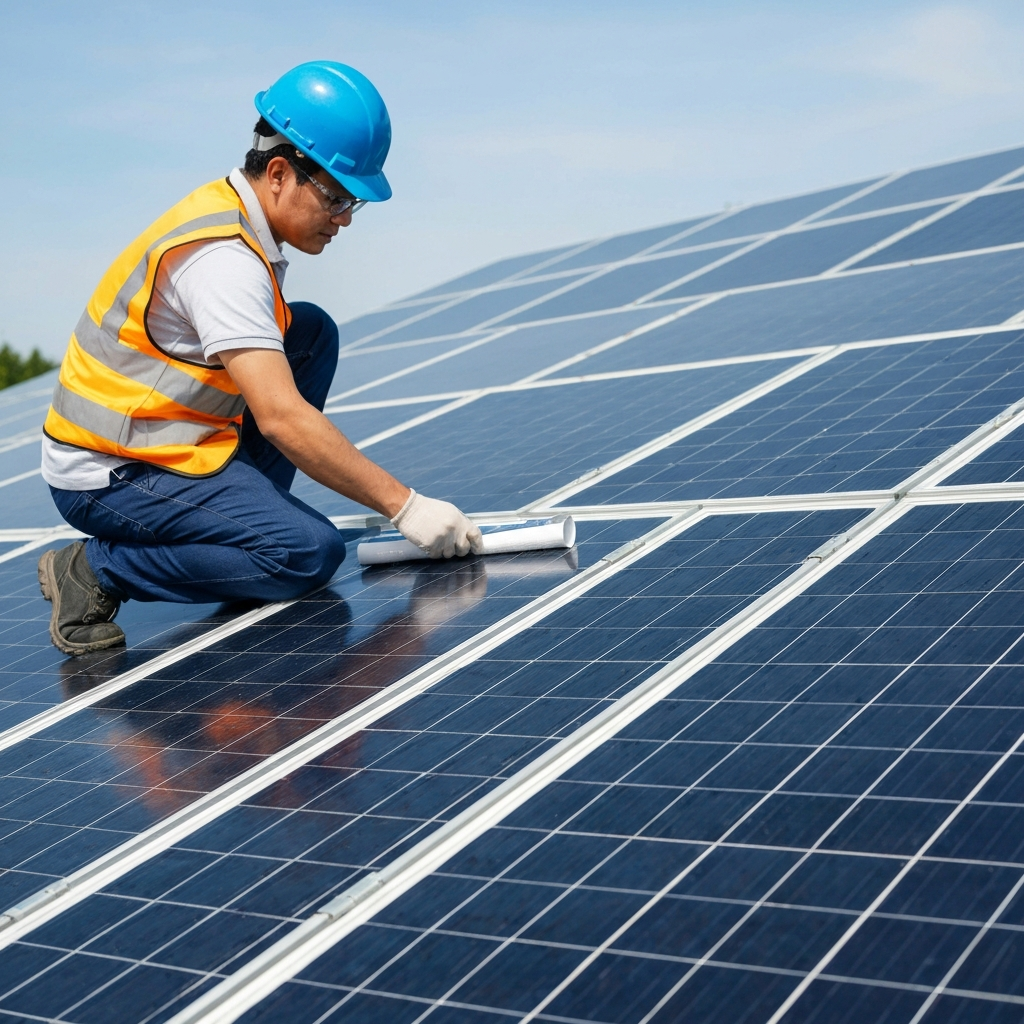
2. Best Practices for Cleaning Your Solar Panels
Keeping your solar panels clean is essential for maximizing their energy production. Dirt, dust, pollen, and other debris can accumulate on the surface of the panels, blocking sunlight and reducing their efficiency. While rainfall can help to wash away some of this debris, it's often not enough to keep the panels clean, especially in areas with low rainfall or high levels of pollution.
- Gentle Cleaning Solutions: When cleaning your solar panels, avoid using harsh chemicals, abrasive cleaners, or high-pressure washers, as these can damage the delicate surface of the panels. Instead, opt for a mild soap solution mixed with water. A simple solution of dish soap and water is usually sufficient for removing most types of dirt and debris. You can also purchase specialized solar panel cleaning solutions, which are specifically formulated to be safe and effective for cleaning solar panels.
- Soft Brushes and Sponges: Use a soft brush or sponge to gently scrub the surface of the panels. Avoid using abrasive brushes or scouring pads, as these can scratch the panels and reduce their efficiency. A long-handled brush can be helpful for reaching panels that are difficult to access. Be sure to rinse the panels thoroughly with clean water after cleaning to remove any soap residue.
- Timing is Key: The best time to clean your solar panels is early in the morning or late in the evening when the panels are cool. Cleaning the panels in direct sunlight can cause the water to evaporate quickly, leaving behind streaks and water spots. It's also important to avoid cleaning the panels during extreme weather conditions, such as high winds or thunderstorms.
3. Monitoring System Performance and Addressing Issues
Invest in a solar panel monitoring system. These systems provide real-time data on your panels' performance, allowing you to quickly identify any drops in energy production or other issues.
Monitoring your solar panel system's performance is crucial for identifying potential problems early on and ensuring that your system is operating at its peak efficiency. Many modern solar panel systems come equipped with monitoring systems that track energy production, system voltage, and other key metrics. These systems can alert you to any significant drops in performance, which could indicate a problem with the panels, the inverter, or the wiring.
If you notice a drop in your system's performance, the first step is to check for any obvious obstructions or dirt buildup on the panels. If the panels are clean and clear, the next step is to check the inverter for any error messages or alerts. The inverter is a critical component of your solar panel system, and any issues with the inverter can significantly impact your system's performance. If you're not comfortable troubleshooting the inverter yourself, it's best to contact a qualified solar panel technician.
In addition to monitoring your system's performance, it's also important to keep an eye on your electricity bills. If you notice a sudden increase in your electricity bill, it could indicate that your solar panels are not producing as much energy as they should. By proactively monitoring your system's performance and your electricity bills, you can identify and address potential issues early on, preventing them from escalating into costly repairs.
Conclusion
Maintaining your solar panels is an investment in the long-term performance and longevity of your system. By following these best practices for regular inspections, cleaning, and performance monitoring, you can ensure that your solar panels continue to generate clean, renewable energy for years to come. Proper maintenance not only maximizes your energy production but also helps to prevent costly repairs and extend the lifespan of your system, ultimately saving you money and reducing your environmental impact.
As solar technology continues to advance, we can expect to see even more sophisticated maintenance solutions and monitoring tools emerge. Smart solar panels with built-in sensors and automated cleaning systems may become more common, further simplifying the maintenance process. By staying informed about the latest advancements in solar panel technology and maintenance practices, you can ensure that your system remains at the forefront of energy efficiency and sustainability.
❓ Frequently Asked Questions (FAQ)
How often should I clean my solar panels?
The frequency of cleaning depends on your location and the amount of dirt and debris that accumulates on your panels. In general, it's recommended to clean your solar panels at least once or twice a year. However, if you live in an area with high levels of pollution, dust, or pollen, you may need to clean them more frequently, perhaps every quarter. Pay attention to your energy production; if you notice a significant drop, it's a good indication that your panels need cleaning.
Can I use a pressure washer to clean my solar panels?
While it might seem like a quick and easy solution, using a pressure washer to clean your solar panels is generally not recommended. The high pressure can damage the delicate surface of the panels, potentially causing scratches or even cracks. These damages will reduce the panels' efficiency and could lead to more serious problems over time. Stick to gentle cleaning methods like soft brushes and mild soap solutions.
What are some signs that my solar panels need professional maintenance?
There are several signs that indicate your solar panels might need professional attention. These include a significant and unexplained drop in energy production, visible damage to the panels (such as cracks or delamination), corrosion on the wiring or connections, and any unusual noises coming from the inverter. If you notice any of these issues, it's best to contact a qualified solar panel technician for a thorough inspection and repair. Attempting to fix complex problems yourself could be dangerous and may void your warranty.
Tags: #SolarPanelMaintenance #RenewableEnergy #ResidentialSolar #CleanEnergy #SolarPower #SustainableLiving #EVCharging