📖 5 min read
Harnessing the power of the sun through residential solar panels is a significant step towards a greener future and energy independence. However, simply installing solar panels isn't enough. To ensure they continue to generate clean, reliable electricity for years to come, regular maintenance is essential. Neglecting solar panel maintenance can lead to decreased energy production, costly repairs, and a shorter lifespan for your system. This comprehensive guide provides homeowners with the knowledge and practical tips needed to properly maintain their solar panel systems, optimizing performance and safeguarding their investment. From understanding the common culprits of performance degradation to implementing a proactive maintenance schedule, we'll cover everything you need to know to keep your solar panels shining bright.
1. Understanding Soiling and Its Impact
Soiling, the accumulation of dirt, dust, pollen, bird droppings, and other debris on solar panels, is a primary cause of reduced energy production. This buildup obstructs sunlight from reaching the photovoltaic cells, hindering their ability to convert solar energy into electricity. The degree of soiling's impact depends on several factors, including geographic location, climate, panel tilt angle, and the frequency of rainfall.
For example, homeowners in arid regions or near agricultural areas often experience higher levels of soiling due to increased dust and pollen. Similarly, panels with shallow tilt angles are more prone to accumulation, as rainwater is less effective at naturally washing away debris. Studies have shown that soiling can reduce solar panel output by as much as 20-25% in certain areas. This means a significant portion of the potential energy generation is lost due to a simple layer of dirt.
Therefore, understanding the sources and severity of soiling in your specific environment is crucial for developing an effective maintenance strategy. Regularly inspecting your panels and being mindful of local conditions will help you determine the appropriate cleaning frequency and methods to mitigate the impact of soiling and maximize your solar energy production.
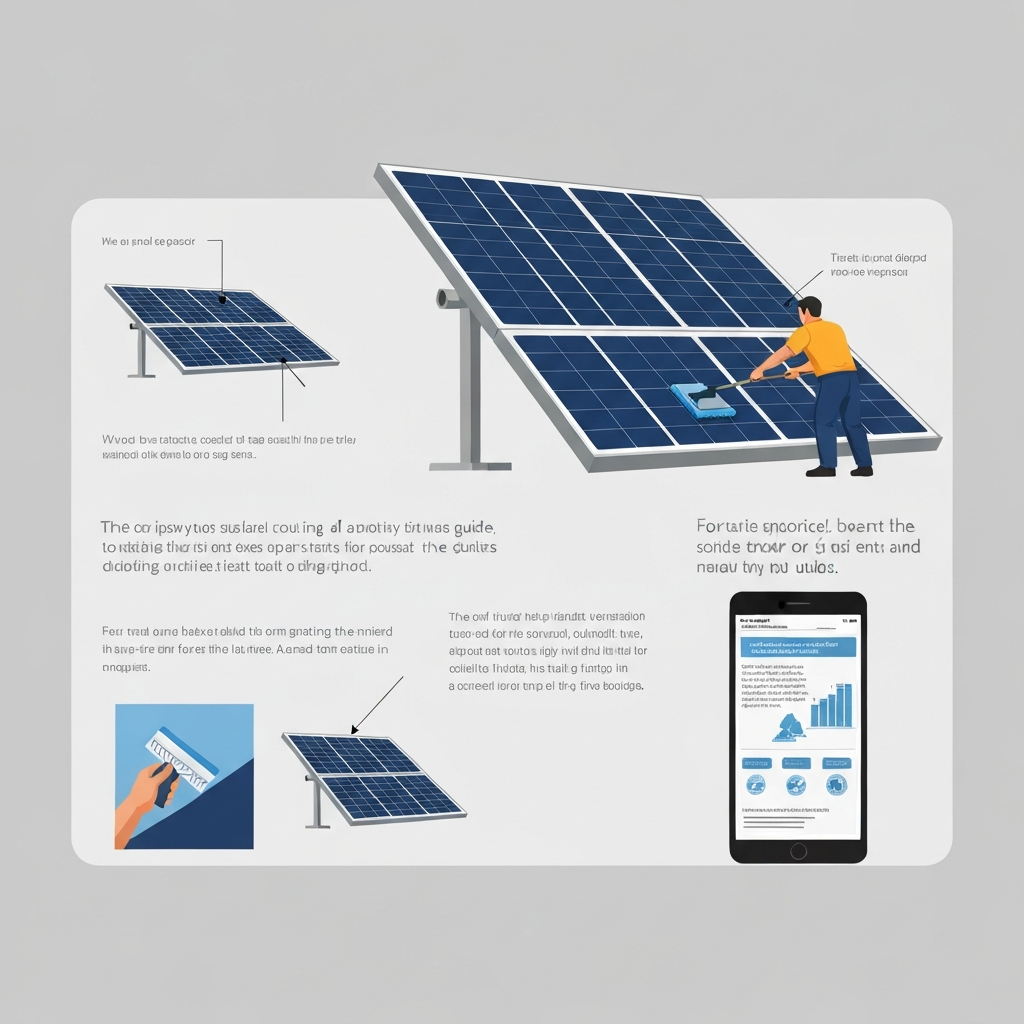
2. Implementing a Proactive Cleaning Schedule
Establishing a consistent cleaning schedule is vital for maintaining optimal solar panel performance. The frequency of cleaning depends on the factors discussed earlier, but a general guideline is to clean your panels at least once or twice a year. In areas with heavy soiling, more frequent cleaning may be necessary.
- Visual Inspection: Before cleaning, conduct a thorough visual inspection of your panels. Look for any signs of damage, such as cracks, delamination, or discoloration. Note any areas with excessive soiling or debris buildup. Addressing these issues promptly can prevent further damage and maintain efficiency.
- Gentle Cleaning Techniques: When cleaning your solar panels, use a soft brush or sponge and a mild soap solution. Avoid using harsh chemicals, abrasive cleaners, or pressure washers, as these can scratch or damage the panel surface. Rinse thoroughly with clean water to remove any soap residue. Always prioritize safety and use appropriate safety equipment, such as gloves and eye protection. If you are uncomfortable cleaning the panels yourself, consider hiring a professional solar panel cleaning service.
- Timing is Key: The best time to clean your solar panels is during the early morning or late evening when the panels are cool. Cleaning hot panels can cause thermal shock, potentially leading to cracks or other damage. Avoid cleaning during direct sunlight, as the water may evaporate quickly, leaving behind mineral deposits that can further reduce performance.
3. Monitoring System Performance
Pro Tip: Many modern solar inverters offer online monitoring capabilities. Regularly check your system's performance data to identify any drops in energy production, which could indicate soiling, shading, or other issues.
Regularly monitoring your solar panel system's performance is just as important as physical cleaning. Most modern solar inverters come equipped with monitoring systems that track energy production, voltage, and other key metrics. By analyzing this data, you can quickly identify any deviations from expected performance levels.
For instance, a sudden drop in energy production on a sunny day could indicate excessive soiling, shading from new tree growth, or even a malfunctioning panel. Comparing your system's current output to historical data from previous months and years can help you pinpoint potential problems early on. Set up alerts within your monitoring system to notify you of any significant performance drops, enabling you to take immediate action.
Furthermore, monitoring allows you to verify the effectiveness of your cleaning efforts. After cleaning your panels, observe whether there is a noticeable increase in energy production. This feedback loop helps you refine your cleaning schedule and methods for optimal results. Consistent monitoring ensures that your solar panel system is operating at its peak efficiency, maximizing your return on investment and your contribution to a sustainable energy future.
🔗 Recommended Reading
Conclusion
Maintaining your residential solar panel system is an ongoing process that requires attention and care. By understanding the factors that affect panel performance, implementing a proactive cleaning schedule, and consistently monitoring system output, homeowners can ensure their solar panels continue to generate clean, reliable electricity for many years. Investing in regular maintenance not only maximizes energy production but also protects your investment and contributes to a more sustainable future.
As solar technology continues to evolve, expect to see advancements in self-cleaning panels and more sophisticated monitoring systems. Embracing these innovations and staying informed about best practices will further streamline the maintenance process and enhance the long-term performance of your solar panel system. By taking proactive steps to care for your solar panels, you are actively participating in a cleaner, greener energy future.
❓ Frequently Asked Questions (FAQ)
How often should I clean my solar panels?
The frequency of cleaning your solar panels depends largely on your location and environmental conditions. In areas with high levels of dust, pollen, or pollution, you may need to clean your panels as often as every few months. However, in cleaner environments with regular rainfall, cleaning once or twice a year may be sufficient. Monitor your system's performance and visually inspect your panels regularly to determine the optimal cleaning schedule for your specific situation.
Can I use a pressure washer to clean my solar panels?
While it might seem like a quick and easy solution, using a pressure washer to clean your solar panels is generally not recommended. The high pressure can potentially damage the panel surface, causing scratches or even cracking the glass. It's much safer to use a soft brush or sponge with a mild soap solution and gently scrub the panels. Rinse thoroughly with a hose using low water pressure to remove any remaining soap residue, ensuring the panels remain in good condition for optimal energy production.
What are the benefits of professional solar panel cleaning?
Hiring a professional solar panel cleaning service offers several advantages. Professionals have the right equipment and expertise to safely and effectively clean your panels without causing damage. They also understand the specific cleaning requirements of different panel types and can identify potential issues that might not be apparent to the untrained eye. While it involves a cost, professional cleaning can optimize your system's performance and extend the lifespan of your investment, potentially saving you money in the long run.
Tags: #SolarPanelMaintenance #ResidentialSolar #CleanEnergy #RenewableEnergy #SolarPower #GreenLiving #EnergyEfficiency