📖 5 min read
Harnessing the power of the sun is no longer a futuristic fantasy; it's a tangible reality within reach for homeowners. Solar panel installations are rapidly becoming a mainstream solution for reducing energy costs and minimizing environmental impact. This comprehensive guide breaks down the essential elements of residential solar panel installations, tailored specifically for beginners. From understanding the fundamental principles of solar energy to navigating the intricacies of system design, permits, and maintenance, this guide provides the knowledge needed to confidently approach a solar panel project, ensuring a smooth transition to clean, renewable energy and increased energy independence. The goal is to demystify the process and empower homeowners to make informed decisions that align with their energy needs and sustainability goals. Preparing for a solar installation involves careful planning and understanding the specifics of your location and energy usage.
1. Understanding Solar Panel Basics
At its core, solar panel technology revolves around the photovoltaic (PV) effect, a phenomenon where sunlight is directly converted into electricity. Solar panels are comprised of numerous interconnected solar cells, each containing a semiconductor material, typically silicon. When photons from sunlight strike the silicon, they dislodge electrons, creating an electric current. This direct current (DC) electricity is then converted to alternating current (AC) by an inverter, making it usable for powering homes and businesses.
Several types of solar panels are available, each with its own characteristics and advantages. Monocrystalline panels, made from a single crystal of silicon, are known for their high efficiency and sleek, uniform appearance. Polycrystalline panels, composed of multiple silicon crystals, are generally more affordable but slightly less efficient. Thin-film solar panels, made from materials like amorphous silicon or cadmium telluride, are flexible and lightweight but offer lower efficiency compared to crystalline panels. When selecting solar panels, it's crucial to consider factors like efficiency, cost, durability, and aesthetic preferences.
The efficiency of a solar panel, measured as the percentage of sunlight it converts into electricity, is a critical factor to consider. Higher efficiency panels generate more power per square foot, which can be particularly beneficial for homes with limited roof space. However, higher efficiency often comes at a higher cost. Consider the trade-offs between cost and efficiency based on your energy needs and budget. Understanding these foundational elements is key to starting your solar journey.
2. Key Steps in the Solar Panel Installation Process
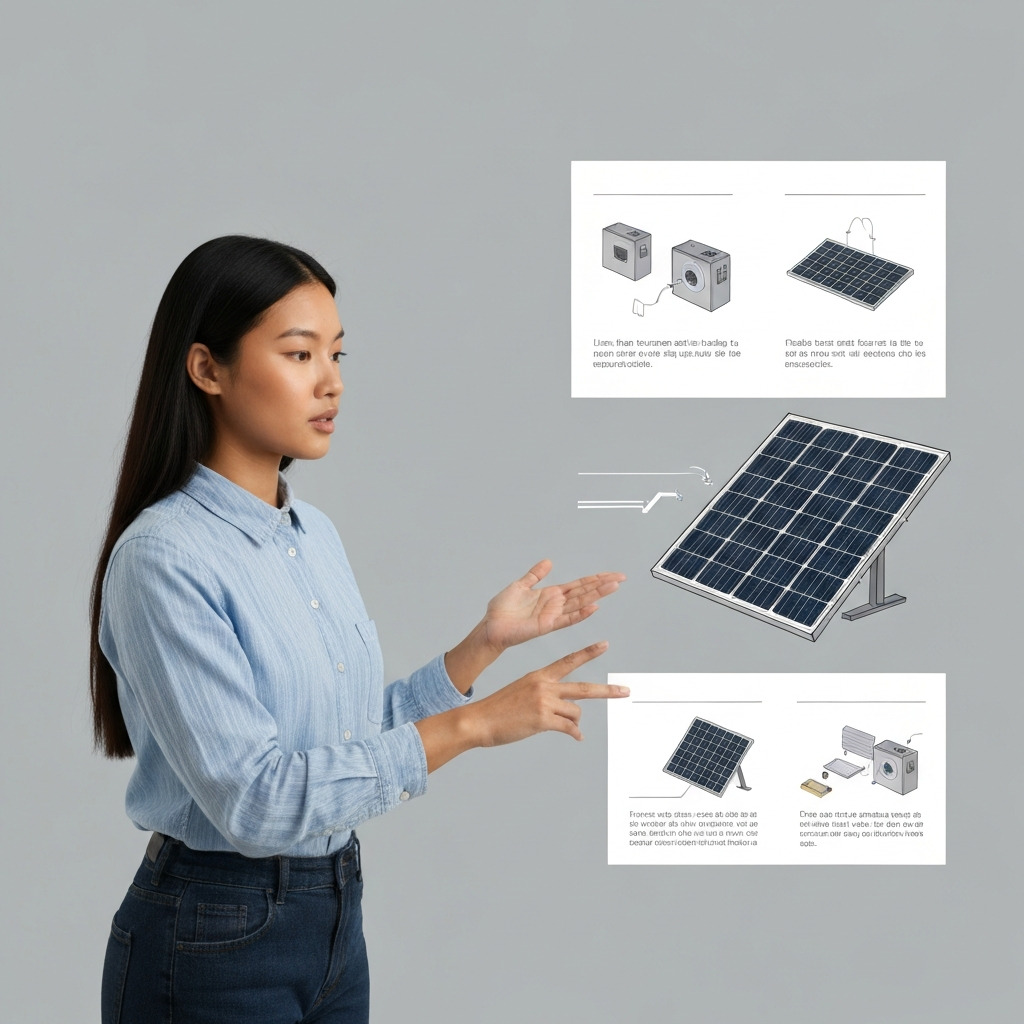
Installing solar panels involves a series of critical steps, each requiring careful planning and execution. The process starts with an initial site assessment to determine the optimal placement of the panels based on sunlight exposure, roof orientation, and shading factors. Next, the system design is developed, specifying the size and configuration of the solar array to meet the homeowner's energy needs. Permitting is a crucial stage, involving the submission of detailed plans to local authorities for approval, ensuring compliance with building codes and safety regulations.
- System Design: A well-designed system maximizes energy production and integrates seamlessly with the home's electrical system. The design phase involves selecting the appropriate size and type of solar panels, determining the optimal angle and orientation for maximum sunlight exposure, and calculating the appropriate inverter size to convert DC electricity to AC electricity. Furthermore, considering shading from trees or nearby buildings is vital to ensure the system's performance isn't compromised. A professional solar installer will use specialized software to model energy production and ensure the system meets the homeowner's specific energy requirements.
- Permitting and Approvals: Navigating the permitting process can be complex, as requirements vary significantly by location. The process typically involves submitting detailed plans to the local building department, including structural assessments, electrical diagrams, and equipment specifications. Approval can take several weeks or even months, so it's essential to start the process early. Engaging with a knowledgeable solar installer can significantly streamline the permitting process, as they are familiar with local regulations and requirements. Compliance with electrical and safety codes is paramount to ensure the system operates safely and efficiently.
- Installation and Interconnection: The physical installation of solar panels involves mounting the panels onto the roof or ground, connecting them to the inverter, and wiring the system to the home's electrical panel. Proper installation is crucial for ensuring the longevity and performance of the system. Interconnection with the utility grid allows homeowners to receive credit for excess electricity generated by the solar panels through a process called net metering. A qualified electrician should perform the electrical work to ensure safety and compliance with local codes. Following the installation, a final inspection is conducted to verify that the system meets all safety and performance standards.
3. Maximizing Your Solar Investment
Pro Tip: Regularly monitor your solar panel system's performance using a monitoring app or website to identify any potential issues early on. This proactive approach can help maintain optimal energy production and prevent costly repairs.
To fully capitalize on a solar panel investment, ongoing maintenance and monitoring are essential. Solar panels typically require minimal maintenance, primarily consisting of occasional cleaning to remove dirt, dust, and debris that can reduce their efficiency. Regular inspections can help identify any potential issues, such as loose wiring or damaged panels, before they escalate into more significant problems. Additionally, monitoring the system's performance using online tools or monitoring apps can provide valuable insights into energy production and identify any deviations from expected output.
Financial incentives, such as tax credits, rebates, and net metering policies, can significantly reduce the upfront cost and increase the long-term financial benefits of solar panel installations. The federal solar tax credit allows homeowners to deduct a percentage of the cost of the solar panel system from their federal taxes. Many states and local municipalities also offer additional incentives, such as rebates or property tax exemptions, to encourage solar adoption. Net metering policies allow homeowners to receive credit on their electricity bills for excess energy generated by their solar panels and sent back to the grid. Understanding and utilizing these incentives can make solar panel installations more affordable and financially attractive.
By properly maintaining and monitoring your solar panel system and taking advantage of available financial incentives, you can maximize your return on investment and enjoy the long-term benefits of clean, renewable energy. Regularly review your energy consumption patterns and adjust your usage to maximize self-consumption of solar energy, further reducing your reliance on the grid. Staying informed about advancements in solar technology can also help you make informed decisions about upgrades or expansions to your system in the future.
🔗 Recommended Reading
Conclusion
Transitioning to solar energy through residential panel installation presents a compelling pathway toward sustainable living and energy independence. By understanding the fundamental principles of solar technology, navigating the installation process with diligence, and actively maintaining your system, you can unlock significant environmental and financial benefits. The journey requires careful planning, informed decision-making, and a commitment to ongoing maintenance, but the rewards are substantial.
As technology continues to advance and costs continue to decline, solar energy is poised to play an even greater role in the future of energy production. By embracing solar power, homeowners can contribute to a cleaner, more sustainable environment while also enjoying long-term energy savings. Keeping abreast of the latest innovations in solar panel efficiency, energy storage solutions, and smart grid technologies can further enhance the value and impact of your solar investment.
❓ Frequently Asked Questions (FAQ)
How do I determine the right size solar panel system for my home?
Determining the appropriate size solar panel system involves evaluating your historical energy consumption and your future energy needs. Review your electricity bills from the past year to calculate your average monthly energy usage in kilowatt-hours (kWh). Aim for a system size that can offset a significant portion of your energy consumption, considering factors like roof space, sunlight availability, and budget. Consulting with a professional solar installer is highly recommended, as they can conduct a detailed site assessment and provide a customized system design tailored to your specific needs and circumstances. They can accurately estimate the potential energy production based on the location and orientation of your roof and recommend the optimal system size to maximize your energy savings.
What is net metering and how does it benefit solar panel owners?
Net metering is a billing mechanism that allows solar panel owners to receive credit for excess electricity generated by their solar panels and sent back to the utility grid. When your solar panels produce more electricity than your home consumes, the excess energy is exported to the grid, and your electricity meter runs backward, effectively offsetting your future electricity consumption. At the end of the billing cycle, the utility company calculates the difference between the energy you consumed from the grid and the energy you exported to the grid. If you exported more energy than you consumed, you receive a credit on your bill, effectively reducing your electricity costs. Net metering can significantly improve the financial viability of solar panel installations by allowing homeowners to monetize excess energy production.
How long do solar panels last, and what is the typical warranty?
Solar panels are designed to be durable and long-lasting, typically lasting for 25 to 30 years. Most manufacturers offer a performance warranty that guarantees a certain level of energy production over this time period, typically around 80% of the initial output. In addition to the performance warranty, solar panels also come with a product warranty that covers defects in materials and workmanship, usually for 10 to 12 years. It is crucial to review the warranty terms carefully before purchasing solar panels to understand the extent of coverage and any limitations. Proper installation and regular maintenance can help extend the lifespan of your solar panels and ensure optimal performance throughout their operational life.
Tags: #SolarPanels #RenewableEnergy #SolarInstallation #CleanEnergy #GreenEnergy #SustainableLiving #EnergyIndependence