📖 5 min read
Investing in solar panels is a significant decision, and understanding their long-term performance is paramount. While solar panels are often advertised with a 25-year lifespan, their efficiency gradually decreases over time, a phenomenon known as degradation. This comprehensive analysis delves into the expected degradation rates of solar panels over a 25-year period, exploring the factors that influence this decline and providing practical advice on how to mitigate its effects. By understanding the science behind solar panel degradation, you can make informed decisions, optimize your solar energy system, and ensure a worthwhile return on your investment. This article explores the various aspects of solar panel degradation and offers strategies to maximize the lifespan and efficiency of your solar array.
1. Understanding Solar Panel Degradation
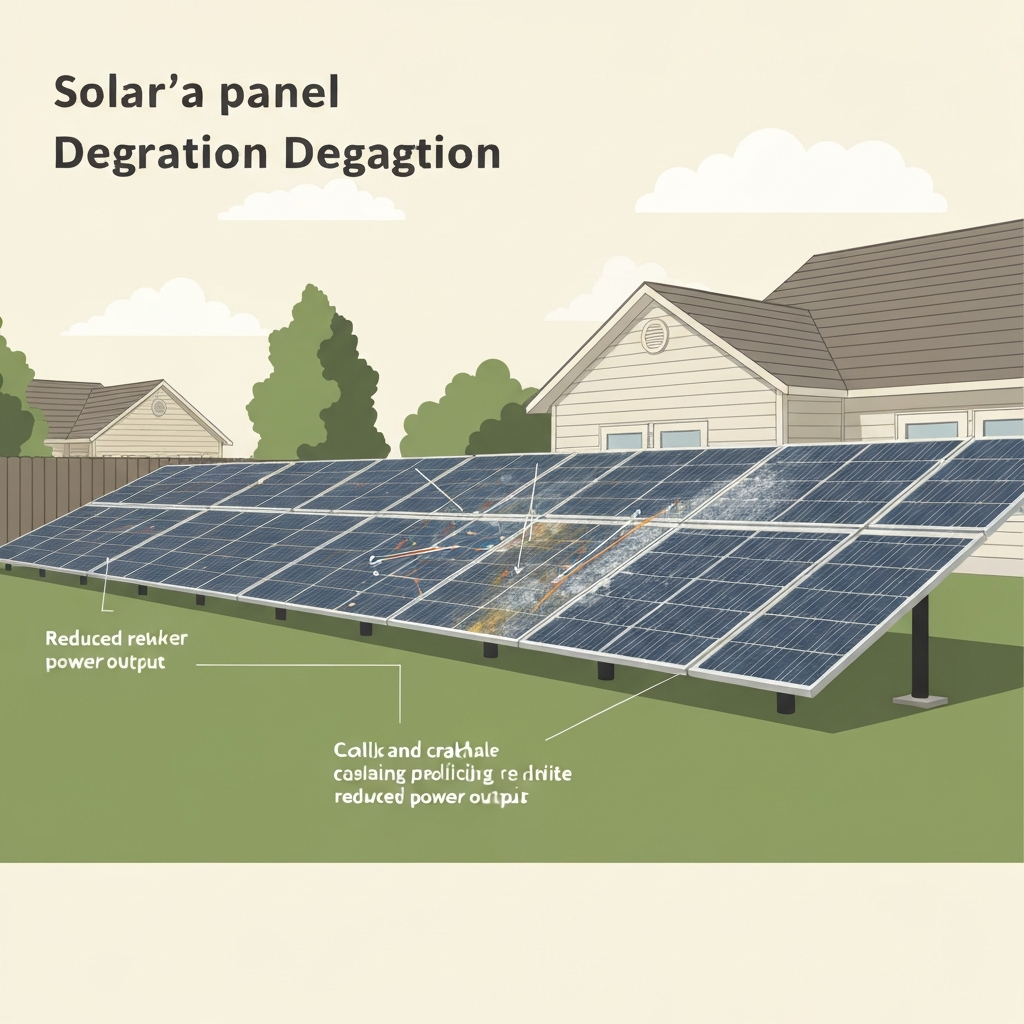
Solar panel degradation refers to the gradual decline in a solar panel's power output over time. This is a natural process due to exposure to environmental stressors like sunlight, temperature fluctuations, and humidity. The degradation rate is typically expressed as a percentage of power loss per year. While some degradation is inevitable, understanding its typical range and the factors that influence it can help you predict the long-term performance of your solar panels.
The average solar panel degrades at a rate of around 0.5% to 0.8% per year. High-quality panels often exhibit lower degradation rates, sometimes as low as 0.3% per year. For example, a solar panel with an initial power output of 300 watts and a degradation rate of 0.5% per year would produce approximately 258 watts after 25 years. This is still a significant amount of power, but it highlights the importance of accounting for degradation when calculating the overall return on investment for a solar energy system. Variations in material and manufacturing processes can significantly impact the degradation rate.
Understanding solar panel degradation is crucial for accurately estimating the long-term energy production of your system and ensuring it meets your energy needs. Factors like the panel's technology, manufacturing quality, and the environmental conditions it's exposed to play a significant role in the rate of degradation. By carefully selecting high-quality panels and implementing proper maintenance practices, you can minimize the impact of degradation and maximize the lifespan and performance of your solar investment.
2. Factors Influencing Degradation Rates
Several factors contribute to the rate at which solar panels degrade. These include both internal factors related to the panel's construction and external factors related to the environmental conditions in which they operate. A comprehensive understanding of these factors is vital for predicting and mitigating the effects of degradation.
- Panel Technology: Different solar panel technologies, such as monocrystalline, polycrystalline, and thin-film, have varying degradation rates. Monocrystalline panels generally exhibit lower degradation rates compared to polycrystalline panels due to their higher purity silicon. Thin-film panels, while often less expensive, tend to degrade at a faster rate. Therefore, selecting the right panel technology is a critical factor in determining the long-term performance of your system.
- Manufacturing Quality: The quality of the manufacturing process significantly impacts the durability and degradation rate of solar panels. Panels manufactured with poor quality materials or substandard manufacturing techniques are more susceptible to degradation. Look for panels from reputable manufacturers with strong warranties and a proven track record of producing high-quality products. Certification from organizations like IEC and UL can provide assurance of the panel's quality and performance.
- Environmental Conditions: Harsh environmental conditions, such as extreme temperatures, high humidity, and exposure to UV radiation, can accelerate the degradation process. Panels installed in areas with high temperature fluctuations, for example, may experience increased stress on their components, leading to faster degradation. Similarly, prolonged exposure to UV radiation can damage the panel's encapsulant material, causing discoloration and reduced performance.
3. Strategies for Mitigating Degradation
Pro Tip: Regular cleaning of your solar panels can significantly improve their performance and reduce the impact of degradation. Dust, dirt, and debris can accumulate on the panel surface, blocking sunlight and reducing energy production. A simple cleaning with water and a soft brush can restore the panel's efficiency.
While some degradation is inevitable, several strategies can be implemented to minimize its impact and extend the lifespan of your solar panels. These strategies range from selecting high-quality components to implementing regular maintenance practices. By proactively addressing potential degradation factors, you can ensure the long-term performance and profitability of your solar investment.
Selecting high-quality solar panels from reputable manufacturers is the first and most crucial step in mitigating degradation. Look for panels with low degradation rates and robust warranties. Investing in higher-quality panels may require a slightly higher upfront cost, but it can result in significant savings over the long term due to increased energy production and reduced maintenance requirements. Check for independent test results that verify the panel's performance and durability under various environmental conditions. Choosing panels with excellent temperature coefficients is also crucial; these panels maintain a better performance in high temperatures.
Regular maintenance and monitoring are essential for detecting and addressing potential issues before they lead to significant degradation. Inspect your panels regularly for signs of damage, such as cracks, discoloration, or delamination. Clean your panels periodically to remove dust, dirt, and debris that can block sunlight and reduce energy production. Consider investing in a monitoring system that tracks the performance of your panels and alerts you to any significant deviations from expected output. Promptly addressing any issues can prevent further degradation and maintain optimal performance.
Conclusion
Solar panel degradation is an inevitable phenomenon, but understanding its causes and implementing mitigation strategies is crucial for maximizing the return on your solar investment. By selecting high-quality panels, considering environmental factors, and implementing regular maintenance practices, you can minimize the impact of degradation and extend the lifespan of your solar energy system. Accurate forecasting of long-term performance, while including degradation projections, is important for financial planning and system design.
As solar technology continues to evolve, we can expect to see further advancements in panel design and manufacturing that lead to even lower degradation rates. Future trends may include the use of new materials and encapsulation techniques that provide better protection against environmental stressors. Staying informed about these advancements will help you make even better decisions about your solar energy investment and ensure a sustainable energy future. Continuous monitoring will be necessary to ensure the systems are operating at their peak and identify if degradation is exceeding predicted values.
❓ Frequently Asked Questions (FAQ)
What happens to solar panels after 25 years?
After 25 years, solar panels typically continue to produce electricity, but at a reduced capacity. Most manufacturers guarantee that their panels will produce at least 80% of their original rated power after 25 years. The actual output may vary depending on factors such as the panel's quality, environmental conditions, and maintenance practices. While the panels may still be functional, their reduced efficiency may make it economically beneficial to replace them with newer, more efficient models.
How can I tell if my solar panels are degrading too quickly?
You can monitor the performance of your solar panels by tracking their energy production over time. If you notice a significant decrease in output compared to historical data, it could be a sign of accelerated degradation. Also, visual inspection of the panels can help detect issues like discoloration, cracks, or delamination, which can contribute to reduced performance. Consulting with a solar panel professional for a thorough system inspection is the best approach, because they will have specialized instruments and the expertise to evaluate any potential issues.
Is it worth investing in high-efficiency solar panels, considering degradation?
Yes, investing in high-efficiency solar panels is generally worth it, even when considering degradation. High-efficiency panels often have lower degradation rates compared to standard panels, meaning they will retain a larger percentage of their initial power output over their lifespan. Furthermore, their higher initial efficiency allows you to generate more electricity from the same amount of space, which can be particularly beneficial if you have limited roof space. This higher production offsets the degradation factor and delivers a stronger return on investment.
Tags: #SolarPanelDegradation #SolarEnergy #RenewableEnergy #SolarPanelLifespan #SolarPanelMaintenance #CleanEnergy #SolarTechnology