📖 5 min read
The rise of renewable energy sources, particularly solar power, has transformed the residential energy landscape. However, simply generating solar energy isn't enough; effective management and integration are crucial to maximizing its benefits. Smart inverters have emerged as a pivotal technology, acting as the brain of modern home energy systems. They go beyond traditional inverters by providing advanced features like grid support, remote monitoring, and smart energy management capabilities, empowering homeowners to optimize their energy consumption and reduce their carbon footprint. These sophisticated devices are not just converting DC power to AC; they are actively shaping the way we interact with energy, making our homes more efficient, resilient, and sustainable. This article will delve into the functionalities of smart inverters, highlighting their role as the key to unlocking true home energy management.
1. Understanding Smart Inverter Functionality
At their core, inverters convert direct current (DC) electricity from solar panels into alternating current (AC) electricity, which is used to power homes and businesses. However, smart inverters take this basic function to a new level by incorporating advanced communication and control capabilities. This allows them to respond dynamically to grid conditions, optimize energy production, and provide valuable data insights to homeowners. They can actively manage voltage levels, frequency fluctuations, and reactive power, ensuring grid stability even with high penetration of renewable energy.
For example, a smart inverter can automatically adjust its output to compensate for voltage fluctuations on the grid, preventing brownouts and ensuring consistent power quality. It can also provide reactive power support, which helps to stabilize the grid and prevent blackouts during peak demand periods. Furthermore, smart inverters can communicate with other smart devices in the home, such as smart thermostats and energy storage systems, to optimize energy usage based on real-time conditions and homeowner preferences. Think of it as a mini-energy command center within your home.
The practical implications of these capabilities are significant. Homeowners can reduce their reliance on the grid, lower their energy bills, and contribute to a more stable and sustainable energy system. Utilities benefit from improved grid reliability and reduced strain on infrastructure. Smart inverters enable a more decentralized and resilient energy grid, paving the way for a future powered by clean and renewable sources.
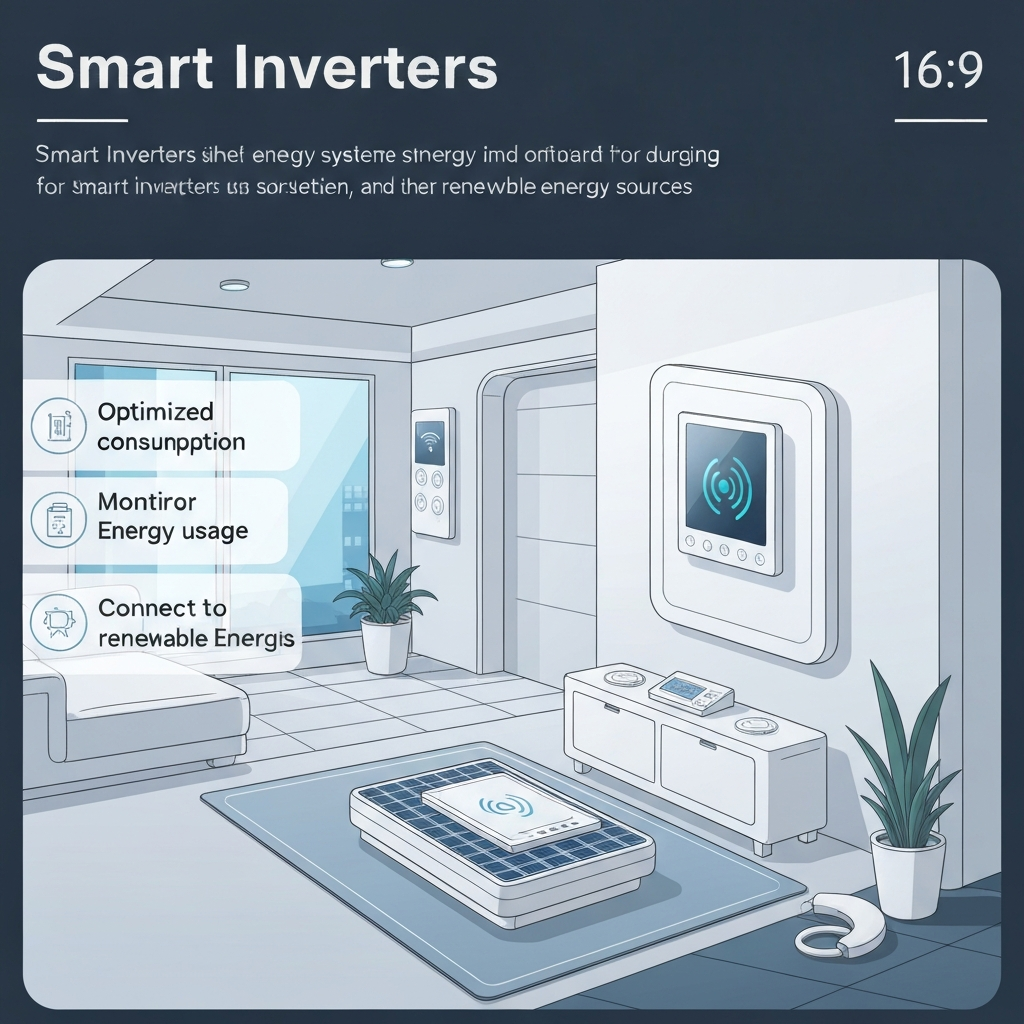
2. Key Features of Smart Inverters for Home Energy Management
Smart inverters are equipped with a range of features designed to optimize energy management and provide valuable insights. These features enhance the functionality of traditional inverters, transforming them into powerful tools for homeowners seeking greater control over their energy consumption.
- Grid Support Functions: Smart inverters can actively participate in grid stabilization by providing voltage and frequency support. This is particularly important in areas with high penetration of renewable energy, where fluctuations in solar and wind power can impact grid stability. For example, a smart inverter can inject reactive power into the grid to compensate for voltage drops or reduce its output during periods of over-generation. These features help to maintain a stable and reliable power supply for all consumers.
- Remote Monitoring and Control: Smart inverters offer remote monitoring capabilities, allowing homeowners and installers to track system performance in real-time. This includes monitoring energy production, voltage levels, and grid conditions. Remote control features enable users to adjust inverter settings, troubleshoot issues, and even shut down the system remotely if necessary. This level of control provides greater peace of mind and ensures optimal system performance.
- Smart Energy Management: Smart inverters can integrate with other smart home devices and energy management systems to optimize energy usage. This includes features like demand response, which allows the inverter to automatically adjust its output based on grid signals, and peak shaving, which reduces energy consumption during peak demand periods. By coordinating with other smart devices, smart inverters can help homeowners minimize their energy bills and maximize their savings. For instance, an inverter might communicate with a smart thermostat to pre-cool a home before a peak demand event, reducing the load on the grid and lowering energy costs.
3. Smart Inverters and the Future of Home Energy
Pro Tip: When selecting a smart inverter, prioritize models that are certified to meet the latest grid interconnection standards, such as IEEE 1547. This ensures that the inverter is compatible with the grid and meets safety requirements.
The increasing adoption of smart inverters is driving a significant shift in the way we manage and consume energy at home. These devices are not only optimizing the performance of solar energy systems but also enabling new possibilities for energy storage, demand response, and grid interaction. As more homes adopt smart inverters, the grid will become more resilient, efficient, and sustainable.
Implementing a smart inverter strategy involves several key steps. First, homeowners should carefully evaluate their energy needs and choose an inverter that is appropriately sized for their solar panel system. Second, they should ensure that the inverter is properly installed and configured to meet local grid interconnection requirements. Third, they should take advantage of the remote monitoring and control features to track system performance and optimize energy usage. Finally, homeowners should consider integrating their smart inverter with other smart home devices and energy management systems to unlock even greater energy savings and control.
In summary, smart inverters are a crucial component of the future of home energy. They offer a powerful combination of grid support, remote monitoring, and smart energy management capabilities, empowering homeowners to optimize their energy consumption and contribute to a more sustainable energy system. By investing in smart inverters, homeowners can take control of their energy future and enjoy the benefits of a more efficient, resilient, and environmentally friendly home.
Conclusion
Smart inverters represent a paradigm shift in residential energy management. They're no longer just passive components but active participants in a dynamic and evolving energy ecosystem. By providing advanced grid support, remote monitoring, and intelligent energy management capabilities, smart inverters are empowering homeowners to take control of their energy consumption and contribute to a more sustainable future.
Looking ahead, the role of smart inverters will only continue to grow as renewable energy penetration increases and the grid becomes more decentralized. Future advancements in smart inverter technology will likely include enhanced cybersecurity features, improved integration with energy storage systems, and even greater capabilities for grid interaction. Smart inverters are not just a technology of today; they are a cornerstone of the energy future.
❓ Frequently Asked Questions (FAQ)
What are the main benefits of using a smart inverter over a traditional inverter?
Smart inverters offer several key advantages compared to traditional inverters. They provide grid support functions, such as voltage and frequency regulation, which are essential for maintaining grid stability with high levels of renewable energy. Smart inverters also offer remote monitoring and control capabilities, allowing homeowners and installers to track system performance and troubleshoot issues remotely. Furthermore, they enable smart energy management features like demand response and peak shaving, helping homeowners to optimize their energy consumption and reduce their electricity bills. For example, a traditional inverter simply converts DC to AC, while a smart inverter actively participates in managing the flow of energy to and from the grid.
How do smart inverters contribute to grid stability?
Smart inverters play a crucial role in maintaining grid stability by providing voltage and frequency support, especially in areas with a high concentration of solar or wind power. Unlike traditional inverters, smart inverters can actively regulate voltage levels and adjust their output to compensate for fluctuations in the grid. They can also inject reactive power into the grid to support voltage during periods of high demand or over-generation. These functions help prevent grid instability issues like voltage sags and frequency deviations, ensuring a reliable power supply for all consumers. In essence, they act like responsive shock absorbers for the electrical grid.
Are smart inverters more expensive than traditional inverters, and is the extra cost worth it?
Yes, smart inverters typically have a higher upfront cost compared to traditional inverters due to their advanced features and functionalities. However, the extra cost is often justified by the long-term benefits they offer. Smart inverters can help homeowners save money on their electricity bills through optimized energy management and demand response programs. They also contribute to a more stable and reliable grid, reducing the risk of power outages and brownouts. Furthermore, the remote monitoring and control capabilities of smart inverters can simplify system maintenance and troubleshooting, saving time and money on service calls. Considering these factors, the investment in a smart inverter is generally worthwhile for homeowners seeking to maximize the value of their solar energy system and contribute to a more sustainable energy future.
Tags: #SmartInverters #HomeEnergyManagement #RenewableEnergy #SolarPower #GridStability #EnergyEfficiency #SmartHome