📖 5 min read
The bathroom, a space meant for cleansing and rejuvenation, ironically contributes significantly to household waste, largely due to single-use plastics and disposable items. From plastic toothbrushes and shampoo bottles to disposable razors and cotton swabs, the accumulation of these items adds up, impacting landfills and our oceans. Adopting a zero-waste approach in the bathroom isn't about deprivation, but rather about making conscious choices that benefit both our well-being and the environment. By embracing simple swaps and sustainable alternatives, we can significantly reduce our waste footprint and create a more eco-friendly routine. This guide offers practical, actionable steps to transform your bathroom into a haven of sustainability.
1. Switching to Solid Shampoo and Conditioner Bars
Traditional liquid shampoos and conditioners are typically packaged in plastic bottles, which contribute to plastic pollution. Switching to solid shampoo and conditioner bars is a simple yet effective way to eliminate plastic waste in your bathroom. These bars are concentrated, meaning they last much longer than their liquid counterparts, offering both environmental and economic benefits. Plus, they often come in minimal or compostable packaging.
The environmental impact of plastic bottles is staggering. Billions of shampoo and conditioner bottles end up in landfills each year, taking hundreds of years to decompose. Solid shampoo and conditioner bars, on the other hand, significantly reduce plastic consumption, as one bar can replace multiple bottles of liquid product. Many brands also offer refills wrapped in paper or cardboard, which are biodegradable and recyclable.
Implementing this swap is easy. Simply wet the bar and rub it between your hands to create a lather, or directly apply it to your hair. Rinse thoroughly as you would with liquid shampoo and conditioner. Store the bars in a dry place, such as a soap dish or container, to prolong their lifespan. This small change can make a big difference in reducing your plastic waste.
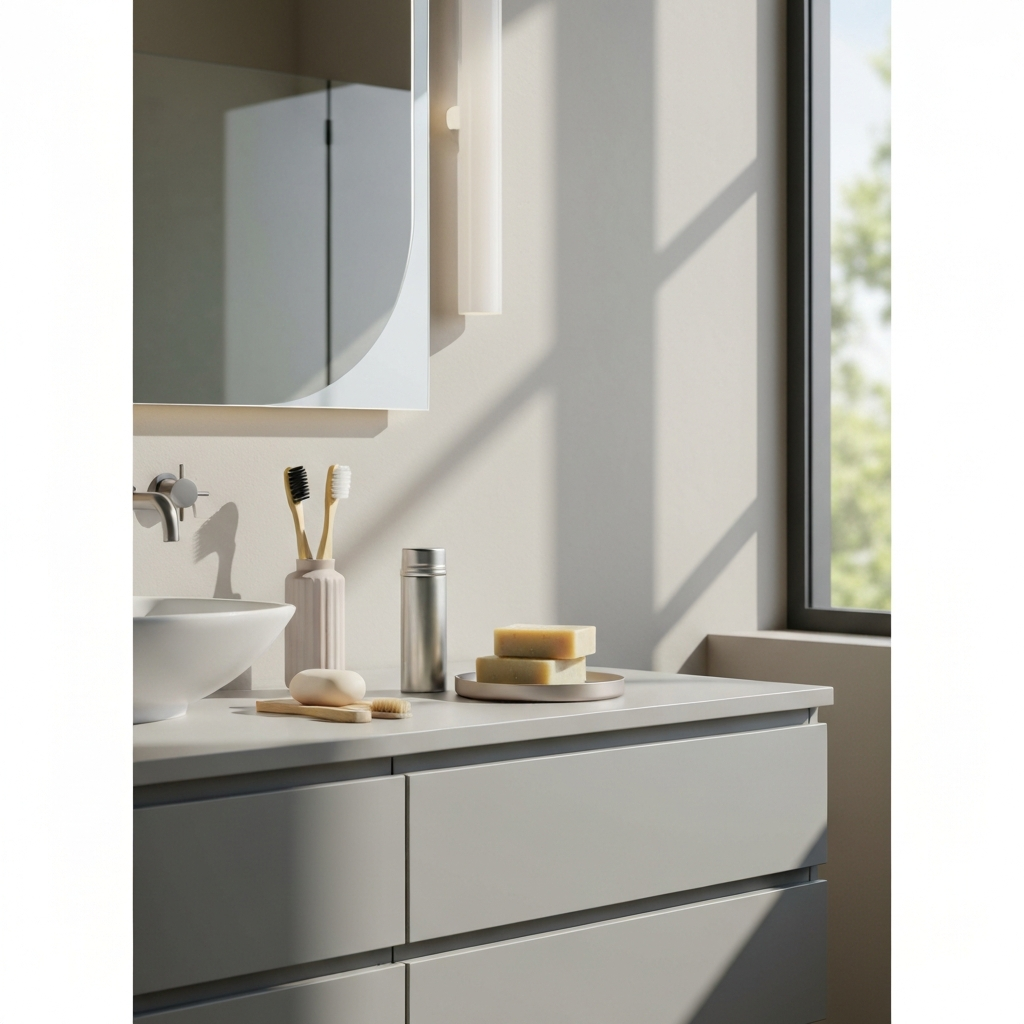
2. Embracing Bamboo Toothbrushes and Refillable Toothpaste
Oral hygiene is essential, but traditional plastic toothbrushes and toothpaste tubes contribute significantly to plastic waste. Transitioning to bamboo toothbrushes and exploring refillable toothpaste options are sustainable alternatives that promote both dental health and environmental responsibility. These swaps reduce plastic consumption and support a more eco-friendly oral care routine. There are many options available to suit your needs and budget.
- Bamboo Toothbrushes: Replace your plastic toothbrush with a bamboo toothbrush. Bamboo is a rapidly renewable resource, and bamboo toothbrushes are biodegradable. Look for toothbrushes with nylon bristles, as they are more effective at cleaning teeth. However, the bristles will need to be removed before composting the bamboo handle.
- Refillable Toothpaste: Consider switching to refillable toothpaste options, such as toothpaste tablets or powders. These alternatives eliminate the need for plastic tubes and often come in recyclable or compostable packaging. Simply pop a tablet in your mouth, chew, and brush as usual.
- DIY Toothpaste: You can even make your own toothpaste using natural ingredients like baking soda, coconut oil, and essential oils. This eliminates packaging waste altogether and allows you to customize the flavor and ingredients to your preference. Be sure to research safe and effective recipes before trying this option.
3. Switching to Reusable Cotton Rounds and Cloths
Invest in high-quality, durable reusable cotton rounds and cloths for makeup removal and skincare application. They'll last longer and be gentler on your skin.
Disposable cotton rounds and makeup wipes are convenient but generate considerable waste. Switching to reusable cotton rounds and cloths is a sustainable alternative that reduces waste and saves money in the long run. These reusable options are washable and can be used repeatedly, making them an eco-friendly choice for your skincare routine. You can even make your own from old t-shirts or towels.
To implement this swap, purchase a set of reusable cotton rounds or cloths made from materials like bamboo, cotton, or microfiber. After each use, simply toss them in the washing machine with your regular laundry. Using a mesh laundry bag can help prevent them from getting lost or damaged. Ensure they are thoroughly cleaned and dried before reuse to maintain hygiene.
Reusable cotton rounds and cloths not only reduce waste but can also be gentler on your skin compared to disposable options. Many reusable cloths are made from soft, natural materials that are less likely to cause irritation or allergic reactions. By making this simple swap, you can create a more sustainable and skin-friendly skincare routine.
Conclusion
Transforming your bathroom into a zero-waste zone doesn't require a complete overhaul but rather a series of mindful choices and simple swaps. By opting for solid shampoo and conditioner bars, bamboo toothbrushes, refillable toothpaste, and reusable cotton rounds, you can significantly reduce your environmental impact. These changes not only minimize waste but also promote a more sustainable and eco-conscious lifestyle. Every small step contributes to a larger positive change.
The zero-waste movement is gaining momentum, with new and innovative sustainable alternatives constantly emerging. Staying informed about these advancements and continuing to explore ways to reduce waste in your bathroom and beyond is crucial. By embracing these practices, you're not only benefiting the environment but also inspiring others to adopt a more sustainable lifestyle. Consider the positive ripple effect your choices can have.
❓ Frequently Asked Questions (FAQ)
How do I clean and care for my reusable cotton rounds and cloths?
Reusable cotton rounds and cloths are easy to clean and care for. After each use, simply rinse them with water to remove any excess makeup or product. Then, toss them in a mesh laundry bag and wash them with your regular laundry. Use a mild detergent and avoid using fabric softeners, as they can reduce the absorbency of the cloths. Tumble dry on low or air dry to prevent shrinking or damage.
Are solid shampoo and conditioner bars effective for all hair types?
Solid shampoo and conditioner bars are available for a wide range of hair types, including oily, dry, fine, and thick hair. Look for bars that are specifically formulated for your hair type to achieve the best results. It may take some experimentation to find the perfect bar for your hair, but once you do, you'll enjoy the benefits of reduced plastic waste and healthy, nourished hair. Some bars are also designed for color-treated hair.
What are the best ways to dispose of old bamboo toothbrushes?
Bamboo toothbrushes can be composted, but it's important to remove the bristles first, as they are typically made of nylon and are not biodegradable. You can use pliers or tweezers to pull out the bristles. The bamboo handle can then be broken into smaller pieces and added to your compost bin. Alternatively, you can repurpose the bamboo handle for other uses, such as plant markers or craft projects. Be creative!
Tags: #ZeroWasteBathroom #SustainableLiving #EcoFriendly #PlasticFree #BathroomSwaps #ReduceWaste #GreenLiving