📖 5 min read
In a world increasingly aware of the environmental impact of single-use plastics, finding sustainable alternatives has become paramount. Plastic food wrap, a ubiquitous item in most kitchens, contributes significantly to landfill waste and pollution. But what if there was a simple, cost-effective, and even enjoyable way to eliminate plastic wrap from your daily routine? Enter the world of DIY reusable food wraps. Crafting your own wraps not only reduces your carbon footprint but also allows you to personalize your kitchen essentials with unique fabrics and natural ingredients. By following this comprehensive guide, you can create an array of eco-friendly food wraps that are both practical and aesthetically pleasing, paving the way for a greener, more sustainable lifestyle.
1. Why Reusable Food Wraps? The Environmental and Personal Benefits
The primary motivation for switching to reusable food wraps is undoubtedly environmental. Single-use plastic wrap is a major contributor to plastic pollution, often ending up in landfills or oceans, where it can take hundreds of years to decompose. By opting for reusable alternatives, you actively reduce your contribution to this problem. Furthermore, the production of plastic wrap requires fossil fuels and energy, adding to the carbon footprint. Reusable wraps, especially when made with natural materials like cotton and beeswax, offer a significantly lower environmental impact.
Beyond the environmental benefits, reusable food wraps offer numerous personal advantages. They are often more effective at keeping food fresh than plastic wrap, thanks to the breathable nature of the materials. Beeswax wraps, for instance, have natural antibacterial properties that help preserve food and reduce spoilage. Additionally, making your own wraps allows you to customize the size and shape to fit your specific needs, whether it's covering a bowl, wrapping a sandwich, or storing half an avocado. This level of customization is simply not possible with commercially available plastic wrap.
The economic benefits of switching to reusable wraps are also noteworthy. While the initial investment in materials may be slightly higher than purchasing a roll of plastic wrap, the long-term savings are substantial. Reusable wraps can last for months or even years with proper care, eliminating the need to constantly repurchase plastic wrap. This translates to significant cost savings over time, making reusable wraps a financially sound choice for eco-conscious consumers.
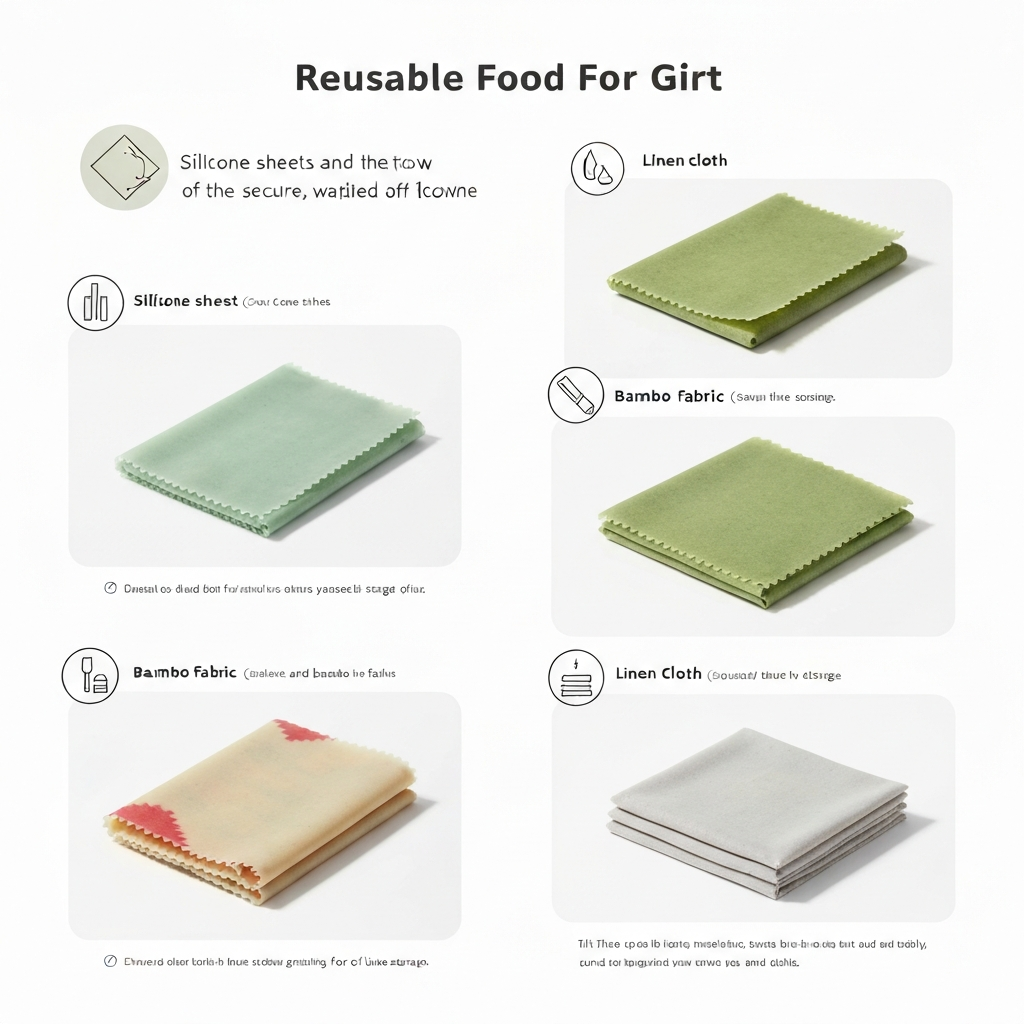
2. DIY Reusable Food Wrap: A Step-by-Step Guide
Creating your own reusable food wraps is a straightforward process that requires minimal materials and skills. Here's a detailed guide to help you get started:
- Gather Your Materials: You will need cotton fabric (organic cotton is ideal), beeswax pellets, pine rosin (optional, but adds stickiness), jojoba oil (optional, but adds pliability and antibacterial properties), pinking shears or regular scissors, parchment paper, an iron, and an old towel or cloth. Choose fabric with fun patterns to add a touch of personality to your kitchen. Make sure the fabric is pre-washed to avoid shrinkage later.
- Prepare Your Fabric: Cut the fabric into desired shapes and sizes using pinking shears to prevent fraying. Common sizes include small squares for wrapping snacks, medium squares for covering bowls, and larger rectangles for wrapping sandwiches or leftovers. The pinking shears will give the edges a zig-zag cut and minimize fraying. If you don't have pinking shears, you can use regular scissors and reinforce the edges with a zigzag stitch on your sewing machine or by hand.
- Apply the Wax Mixture: In a double boiler or a heat-safe bowl set over a pot of simmering water, melt the beeswax, pine rosin (if using), and jojoba oil (if using) until completely liquid. The ratio of ingredients can be adjusted to your preference, but a common starting point is 1 cup of beeswax, 1/4 cup of pine rosin, and 2 tablespoons of jojoba oil. Once melted, remove from heat. Place a piece of parchment paper on your ironing board, lay the fabric square on top, and brush the melted wax mixture evenly over the fabric using a paintbrush or a clean silicone brush. Ensure that the entire fabric surface is coated.
3. Caring for Your Reusable Food Wraps: Maximizing Lifespan
Pro Tip: Refresh your wraps! If your wraps start to lose their stickiness, simply place them on a baking sheet lined with parchment paper and bake at a low temperature (around 170°F or 77°C) for a few minutes. The wax will remelt and redistribute, revitalizing the wrap.
Proper care is essential to prolong the lifespan of your reusable food wraps. While they are durable, they are not indestructible and require some attention to maintain their effectiveness. The way you clean and store your wraps directly impacts how long they will remain usable, saving you money and preventing unnecessary waste. By following a few simple guidelines, you can ensure your wraps stay in optimal condition for months or even years.
Cleaning reusable food wraps is relatively simple. Avoid using hot water, as it can melt the beeswax coating. Instead, wash them gently with cool water and a mild dish soap. Use a soft sponge or cloth to remove any food residue. Avoid scrubbing too vigorously, as this can damage the wax coating. Once cleaned, air dry the wraps completely before storing them. You can hang them on a drying rack or lay them flat on a clean surface. Ensure they are fully dry to prevent mold or mildew growth.
Storage is another important aspect of maintaining your wraps. Avoid storing them in direct sunlight or near heat sources, as this can cause the wax to melt or become sticky. Instead, store them in a cool, dry place, such as a drawer or a basket. You can fold them neatly or roll them up to save space. Avoid stacking them on top of each other when they are still slightly damp, as this can lead to sticking. With proper cleaning and storage, your reusable food wraps will remain a staple in your kitchen for years to come.
Conclusion
Embracing reusable food wraps is a significant step towards a more sustainable and eco-friendly lifestyle. By ditching single-use plastic wrap and opting for DIY alternatives, you not only reduce your environmental impact but also gain a greater appreciation for the simple, sustainable solutions available to us. Making your own wraps is a rewarding experience that allows you to personalize your kitchen essentials while contributing to a healthier planet. The benefits extend beyond environmental responsibility, offering cost savings and improved food preservation.
As awareness of environmental issues continues to grow, the demand for sustainable alternatives like reusable food wraps is likely to increase. The trend towards zero-waste living is gaining momentum, and homemade solutions are becoming increasingly popular. By adopting reusable food wraps, you are not only making a positive change in your own life but also inspiring others to follow suit. Consider sharing your DIY creations with friends and family or hosting a workshop to teach others how to make their own wraps. Together, we can create a more sustainable future, one wrap at a time.
❓ Frequently Asked Questions (FAQ)
How long do reusable food wraps typically last?
With proper care, reusable food wraps can last anywhere from six months to two years. The lifespan depends on the frequency of use, the types of food they are used with, and how well they are cleaned and stored. Regularly refreshing the wax coating can also extend their lifespan. If you notice that the wax is cracking or flaking excessively, or if the wrap has lost its stickiness, it's time to consider replacing it.
Can I use reusable food wraps to store meat or other raw foods?
While reusable food wraps are generally safe for storing a variety of foods, it's not recommended to use them directly with raw meat, poultry, or fish due to the risk of bacterial contamination. Raw meats can harbor harmful bacteria that can be difficult to remove from the wrap, even with thorough cleaning. It's best to store raw meats in airtight containers made of glass or stainless steel. You can use the wraps for other purposes like covering bowls or wrapping sandwiches, fruits, vegetables, and baked goods.
What are some alternatives to beeswax for making vegan reusable food wraps?
For a vegan alternative to beeswax, you can use candelilla wax, soy wax, or a combination of plant-based waxes. Candelilla wax is derived from the candelilla plant and provides a similar level of stickiness and water resistance as beeswax. Soy wax is another option, but it tends to be softer and may require the addition of pine rosin to improve its adhesive properties. A mixture of plant-based waxes can also be used to achieve the desired texture and performance. Experiment with different ratios to find the best combination for your needs.
Tags: #ReusableFoodWrap #DIYFoodWrap #ZeroWaste #PlasticFree #EcoFriendly #SustainableLiving #BeeswaxWrap