📖 5 min read
The sun, a colossal fusion reactor in the sky, showers our planet with an immense amount of energy every single day – far more than we could ever consume. Residential solar power allows homeowners to tap into this virtually limitless resource, converting sunlight into electricity to power their homes, reduce their carbon footprint, and potentially save thousands of dollars over the system's lifespan. Understanding the ins and outs of residential solar systems is crucial for anyone considering this sustainable energy option. This guide will navigate you through the essential aspects, from system components to financial considerations and installation best practices, equipping you with the knowledge to make an informed decision and embrace the benefits of solar energy. Whether you are deeply concerned about the environment or simply looking for long term savings, solar power represents a compelling option to reduce expenses and increase home value.
1. Understanding Solar Panel Systems for Homes
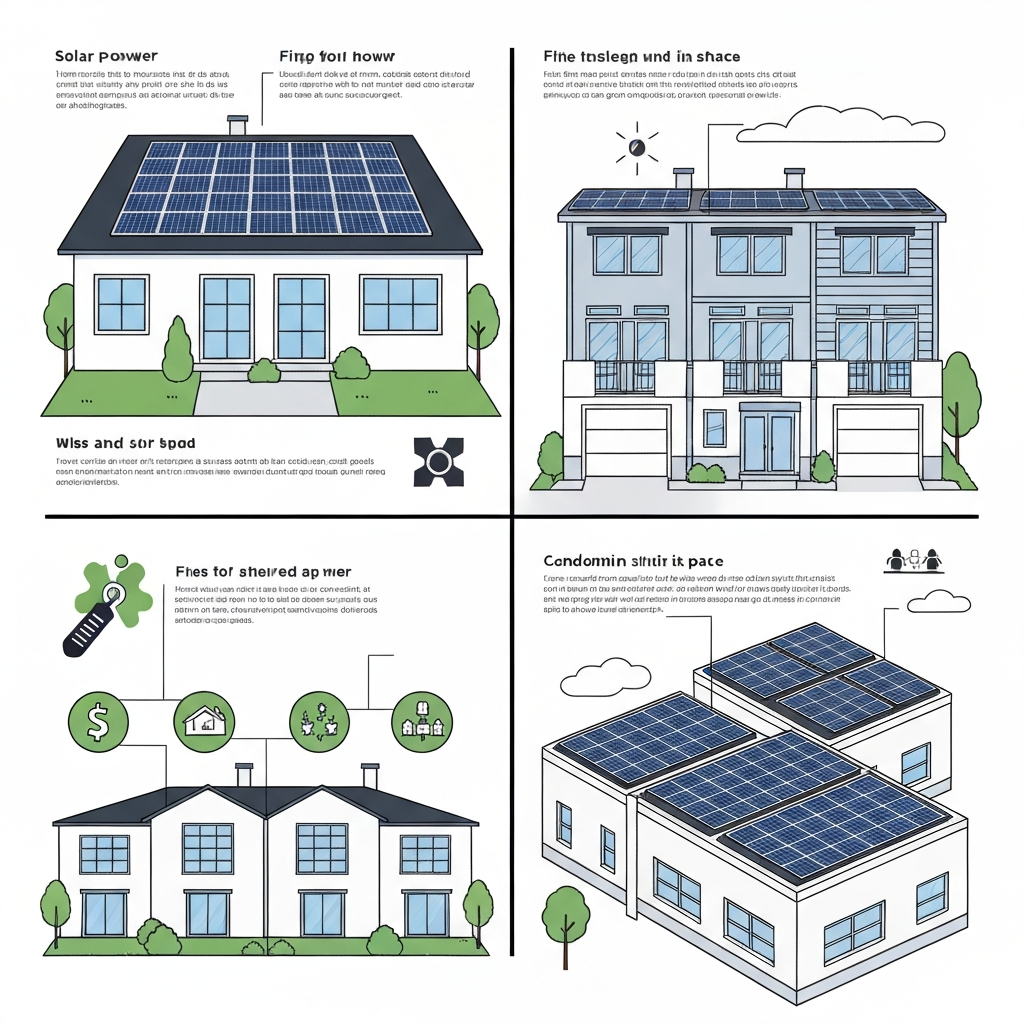
Residential solar power systems typically comprise several key components working together seamlessly. Solar panels themselves, constructed from photovoltaic (PV) cells, are responsible for converting sunlight into direct current (DC) electricity. Inverters then convert this DC electricity into alternating current (AC) electricity, which is what most household appliances and electronics use. Beyond the panels and inverters, a mounting system is required to securely attach the panels to your roof or another suitable location, and wiring connects all the components together.
The efficiency of solar panels is a crucial factor to consider. Panel efficiency, expressed as a percentage, indicates how much of the sunlight hitting the panel is converted into electricity. Higher efficiency panels generally produce more power in a given area, which can be particularly important for homes with limited roof space. Monocrystalline panels, known for their sleek black appearance and high efficiency (often exceeding 20%), are a popular choice for residential installations. Polycrystalline panels, characterized by their blue, speckled appearance, are generally less expensive but also slightly less efficient. Thin-film solar panels, another option, are less efficient and generally used in larger commercial applications but can be more flexible and lightweight.
The environmental benefits of adopting solar power are undeniable. By generating electricity from the sun, homeowners can significantly reduce their reliance on fossil fuels, which contribute to greenhouse gas emissions and air pollution. Solar energy is a clean, renewable resource that helps mitigate climate change and promote a more sustainable future. Moreover, adopting solar power can enhance a home’s value and appeal to environmentally conscious buyers, making it a win-win situation for both the homeowner and the planet.
2. Key Considerations Before Installing Solar Panels
Installing a residential solar system involves careful planning and consideration of several factors. Before making a purchase, it's important to assess your energy needs, evaluate your roof's suitability, and understand the financial incentives available.
- Energy Consumption: Analyze your past electricity bills to determine your average monthly energy consumption. This will help you determine the appropriate size of the solar panel system needed to meet your energy demands. Consider future energy needs, such as the addition of electric vehicles or other energy-intensive appliances. An oversized system will generate excess power that may or may not be compensated by the utility company. An undersized system won't meet your needs.
- Roof Assessment: A professional solar installer will assess your roof's condition, orientation, and shading. South-facing roofs typically receive the most sunlight, but east- and west-facing roofs can also be suitable. Shading from trees or nearby buildings can significantly reduce solar panel output. The roof's structural integrity is also critical, as solar panels add weight to the roof. Any necessary repairs should be completed before installation.
- Financial Incentives: Numerous financial incentives are available to help offset the cost of solar panel installation. These incentives can include federal tax credits, state rebates, and local utility programs. The federal solar tax credit, for example, allows homeowners to deduct a percentage of the cost of their solar system from their federal taxes. State rebates can further reduce the upfront cost, and some utility companies offer net metering programs, which allow homeowners to receive credit for excess electricity they send back to the grid.
3. The Installation Process and Grid Connection
Pro Tip: Obtain multiple quotes from reputable solar installers to compare pricing, equipment, and warranty options. Check online reviews and ask for references to ensure you're working with a qualified and experienced company.
The installation of a residential solar system typically involves several steps, starting with obtaining the necessary permits and approvals. A qualified solar installer will handle the permitting process, ensuring that the system meets all local building codes and regulations. Once the permits are approved, the installation process can begin, which usually takes a few days to complete.
The installation team will first install the mounting system on your roof, carefully securing it to the roof structure. Next, the solar panels are attached to the mounting system and wired together. The inverter is then installed, typically near the electrical panel, and connected to the solar panels. Finally, the system is connected to the grid, allowing you to send excess electricity back to the utility company and receive credit on your bill. A final inspection is conducted to ensure that the system is operating safely and efficiently.
Connecting your solar system to the grid offers significant advantages. Net metering allows you to offset your electricity consumption by sending excess solar energy back to the grid, effectively reducing your electricity bill. In some cases, you may even receive a credit from the utility company for the excess energy you generate. This grid connection also ensures a reliable power supply, as you can draw electricity from the grid when your solar panels are not producing enough power, such as at night or on cloudy days. This guarantees a consistent power supply to your home.
🔗 Recommended Reading
Conclusion
Residential solar power offers a compelling opportunity for homeowners to reduce their energy costs, decrease their carbon footprint, and increase their home's value. By understanding the components of a solar system, assessing your energy needs, and exploring available financial incentives, you can make an informed decision about adopting solar energy. The installation process is relatively straightforward, and connecting to the grid provides a reliable and cost-effective way to manage your energy consumption.
As technology advances and solar panel prices continue to decline, residential solar power is becoming increasingly accessible and affordable. Future trends include the development of more efficient solar panels, improved energy storage solutions, and smart home integration. Embracing solar energy is a sustainable choice that benefits both homeowners and the environment, paving the way for a cleaner and more sustainable energy future.
❓ Frequently Asked Questions (FAQ)
How long do solar panels last?
Most solar panels come with a 25-year performance warranty, guaranteeing that they will produce a certain percentage of their original power output after 25 years. While the panels will continue to generate electricity beyond this timeframe, their efficiency will gradually decline over time. Factors such as weather conditions, temperature fluctuations, and panel quality can affect the lifespan and performance of solar panels. Proper maintenance and monitoring can help maximize the lifespan and efficiency of your solar panel system.
What happens if my solar panels produce more electricity than I need?
If your solar panels generate more electricity than you consume, the excess electricity is sent back to the grid through a process called net metering. Your utility company will then credit your account for the excess energy you supply to the grid. This credit can offset your electricity bill, potentially reducing it to zero or even resulting in a credit that can be used in future months. Net metering policies vary by state and utility company, so it's essential to understand the specific regulations in your area.
Can solar panels increase my home's resale value?
Yes, installing solar panels can potentially increase your home's resale value. Studies have shown that homes with solar panels tend to sell for a premium compared to similar homes without solar. Buyers are often attracted to the lower energy costs and environmental benefits associated with solar power. However, the actual increase in resale value can vary depending on factors such as the age and condition of the solar system, the local real estate market, and the buyer's preferences. A well-maintained and relatively new solar system can be a significant selling point for your home.
Tags: #ResidentialSolar #SolarPower #RenewableEnergy #CleanEnergy #SolarPanels #HomeImprovement #EnergyEfficiency