📖 5 min read
In the realm of project management, a clearly defined scope is the bedrock upon which successful projects are built. A project scope statement serves as the north star, guiding teams and stakeholders alike towards a shared understanding of what will be delivered, and equally importantly, what will *not* be delivered. Without a well-articulated scope, projects can easily fall prey to scope creep, missed deadlines, and budget overruns. Utilizing a project scope statement template is crucial for establishing clear boundaries and expectations from the outset, leading to smoother execution and higher success rates. This document acts as a formal agreement, ensuring everyone involved is on the same page and working towards the same goals. Furthermore, a detailed scope statement significantly reduces the risk of misunderstandings and conflicts, contributing to a more collaborative and productive project environment.
1. Understanding the Project Scope Statement
At its core, a project scope statement is a formal document that defines the project's objectives, deliverables, tasks, and resources. It outlines the boundaries of the project, specifying what is included and excluded. This detailed description provides a common understanding among project stakeholders, ensuring alignment on the project's goals and objectives. By clearly defining the scope, the statement helps to prevent scope creep, which can lead to delays, increased costs, and ultimately, project failure.
Consider, for instance, a project to develop a new mobile application. The project scope statement would detail the app's features (e.g., user login, profile creation, in-app purchases), the target platforms (iOS and Android), the design specifications, and the key performance indicators (KPIs) to measure success. It would also explicitly exclude features like desktop versions, integration with third-party services not initially planned, or support for older operating systems. This level of detail minimizes ambiguity and ensures that the development team focuses on delivering the agreed-upon functionality within the defined constraints. A poorly defined scope, in contrast, may lead to the development team adding features haphazardly, potentially delaying launch and exceeding budget.
The practical implications of a strong project scope statement are significant. It provides a foundation for project planning, risk management, and resource allocation. It also serves as a reference point for monitoring progress and evaluating performance. When changes or additions are requested during the project lifecycle, the scope statement allows for a clear assessment of their impact on the project's timeline, budget, and resources. This enables informed decision-making and helps to maintain project control, ultimately contributing to a higher likelihood of project success. A well-defined scope protects both the project team and the client by setting clear expectations and providing a framework for managing change requests effectively.
2. Key Elements of a Project Scope Statement Template
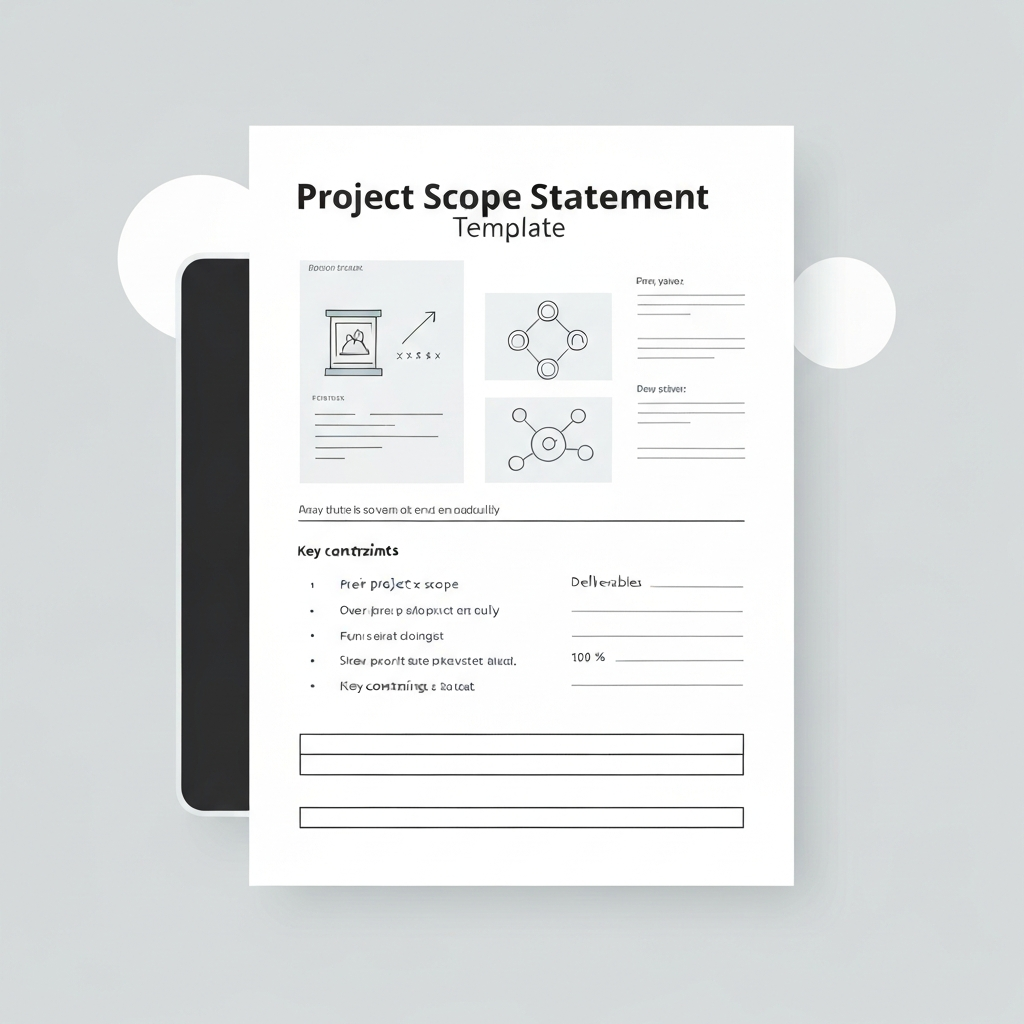
A well-structured project scope statement template should include several essential elements to ensure clarity and comprehensiveness. These elements provide a framework for defining the project's boundaries, objectives, and deliverables, ultimately guiding the project team and stakeholders throughout the project lifecycle.
- Project Objectives: This section clearly defines the goals and objectives of the project. It should specify what the project aims to achieve and how success will be measured. For example, if the project is to develop a new e-commerce website, the objectives might include increasing online sales by 20% within the first year and improving customer satisfaction scores. Objectives should be SMART – Specific, Measurable, Achievable, Relevant, and Time-bound. This section ensures that everyone understands the purpose of the project and the desired outcomes.
- Project Deliverables: This section lists all the tangible outputs or results that the project will produce. It includes both final products and intermediate deliverables. For the e-commerce website project, deliverables might include the website design, the database structure, the payment gateway integration, the content management system, and user training manuals. Each deliverable should be clearly defined with specific criteria for acceptance. Detailing all expected deliverables reduces the chances of ambiguity and ensures that nothing is overlooked during the project execution.
- Project Exclusions: This section explicitly states what is *not* included in the project. This is just as important as defining what is included, as it helps to manage expectations and prevent scope creep. For the e-commerce website, exclusions might include mobile app development, integration with third-party marketing platforms outside the initial scope, or support for languages other than English. Clearly stating exclusions avoids misunderstandings and ensures that the project team focuses only on the agreed-upon deliverables.
3. Benefits of Using a Project Scope Statement Template
Using a Project Scope Statement Template ensures that project goals are clearly defined, understood, and achievable, leading to fewer misunderstandings and a higher probability of project success.
Utilizing a project scope statement template offers numerous benefits to project managers and their teams. Templates provide a standardized framework for defining project scope, ensuring consistency and completeness across different projects. This standardization helps to streamline the project planning process, saving time and effort. Moreover, templates often include prompts and guidelines that help project managers to think through all the essential aspects of the project scope, reducing the risk of overlooking important details.
A well-designed template also improves communication and collaboration among stakeholders. By providing a clear and concise document that outlines the project's objectives, deliverables, and exclusions, the template facilitates a shared understanding of the project scope. This shared understanding minimizes misunderstandings and conflicts, fostering a more collaborative and productive project environment. Furthermore, the template serves as a reference point throughout the project lifecycle, enabling stakeholders to track progress and evaluate performance against the defined scope. Any proposed changes to the scope can be easily assessed against the original statement, allowing for informed decision-making and effective change management.
In summary, the value of a project scope statement template extends beyond simply documenting the project scope. It acts as a communication tool, a planning guide, and a risk management aid. It empowers project teams to stay focused on delivering the agreed-upon deliverables within the defined constraints. By utilizing a template, project managers can ensure that their projects are well-defined, well-managed, and ultimately, more likely to succeed. A comprehensive template provides a strong foundation for project success by establishing clear expectations, promoting effective communication, and facilitating informed decision-making throughout the project lifecycle.
🔗 Recommended Reading
Conclusion
In conclusion, the project scope statement template is an indispensable tool for effective project management. It provides a structured approach to defining the project's boundaries, objectives, and deliverables, ensuring alignment among stakeholders and minimizing the risk of scope creep. By utilizing a template, project managers can streamline the project planning process, improve communication, and enhance project control, ultimately increasing the likelihood of project success. The initial investment in creating or adopting a robust scope statement template will pay dividends throughout the project lifecycle.
Looking ahead, the importance of well-defined project scopes will only continue to grow as projects become increasingly complex and interconnected. Project managers will need to embrace tools and techniques that facilitate clear communication and collaboration, and the project scope statement template will remain a cornerstone of these efforts. Furthermore, advancements in technology, such as AI-powered project management tools, may offer new ways to automate and enhance the scope definition process, making it even easier to ensure that projects stay on track and deliver the desired outcomes.
❓ Frequently Asked Questions (FAQ)
What is the difference between a project scope and a product scope?
The project scope defines the work needed to deliver a product, service, or result, while the product scope describes the features and functions of that product, service, or result. Think of it this way: the project scope encompasses all the tasks, resources, and timelines involved in *creating* something, whereas the product scope details *what* that something is. The project scope statement will outline the project deliverables (e.g., design documents, code, testing results), while the product scope outlines the features and specifications of the deliverable itself (e.g., the software has a login screen, supports multiple languages, integrates with a payment gateway).
How often should a project scope statement be reviewed and updated?
The project scope statement should be reviewed and updated at regular intervals throughout the project lifecycle, particularly at the end of each project phase or iteration. It should also be reviewed whenever a change request is submitted or a significant deviation from the original plan occurs. Regular reviews ensure that the scope statement remains accurate and relevant, reflecting any changes to the project's objectives, deliverables, or constraints. If the project plan is dynamic, a formal change control process should be in place to manage these scope updates. Properly managing scope changes is crucial for maintaining project control.
What happens if a project lacks a clearly defined scope statement?
Without a clearly defined scope statement, projects are highly susceptible to scope creep, budget overruns, and missed deadlines. Stakeholders may have different expectations about what the project will deliver, leading to misunderstandings and conflicts. The project team may lack a clear direction, resulting in wasted effort and inefficient resource allocation. Ultimately, the project is more likely to fail to meet its objectives and deliver the desired outcomes. A well-defined scope acts as a safeguard, guiding the project and providing a basis for making informed decisions and mitigating potential risks.
Tags: #ProjectManagement #ProjectScope #ScopeStatement #Template #ProjectPlanning #BusinessStrategy #TechGuide