📖 5 min read
The electric vehicle revolution is here, and with it comes a new set of considerations for vehicle maintenance and longevity. At the heart of every EV is its battery, a complex and expensive component that determines the vehicle's range, performance, and overall lifespan. Understanding how to properly manage your EV battery is essential for maximizing its lifespan, maintaining its performance, and ensuring a smooth and enjoyable driving experience. This guide provides practical and actionable tips for EV owners to effectively manage their battery health and get the most out of their electric vehicles, and is especially helpful when pairing your EV with a residential solar panel system to reduce environmental impact.
1. Understanding EV Battery Degradation
EV battery degradation is the gradual decline in the battery's ability to hold a charge over time. This degradation is a natural process influenced by factors such as usage patterns, charging habits, environmental conditions, and the battery's chemical composition. Unlike traditional combustion engines, where wear and tear are often associated with mechanical components, EV battery degradation is primarily a chemical process.
The degradation process varies depending on the battery type and chemistry, with lithium-ion batteries being the most common in modern EVs. Factors contributing to degradation include calendar aging (degradation that occurs simply due to the passage of time), cycle aging (degradation from repeated charging and discharging), and high temperatures. For example, consistently charging the battery to 100% and frequently depleting it to near zero can accelerate cycle aging. Similarly, exposing the battery to extreme heat for extended periods can accelerate calendar aging. Studies have shown that maintaining a charge level between 20% and 80% can significantly reduce degradation rates.
Understanding these factors allows EV owners to implement proactive strategies to mitigate battery degradation. This includes adopting optimal charging habits, such as avoiding extreme charge levels and utilizing slower charging methods when possible. Furthermore, parking in shaded areas or using garage space can help regulate the battery temperature, particularly in hot climates. Regularly monitoring battery health through the vehicle's onboard diagnostics can also provide valuable insights into the battery's condition and inform maintenance decisions.
2. Key Management Tips for EV Battery Longevity
Optimizing your EV battery's lifespan involves adopting a combination of best practices related to charging, usage, and environmental management. These tips are designed to minimize stress on the battery and promote long-term health and performance. By incorporating these strategies into your daily routine, you can significantly extend the life of your EV battery.
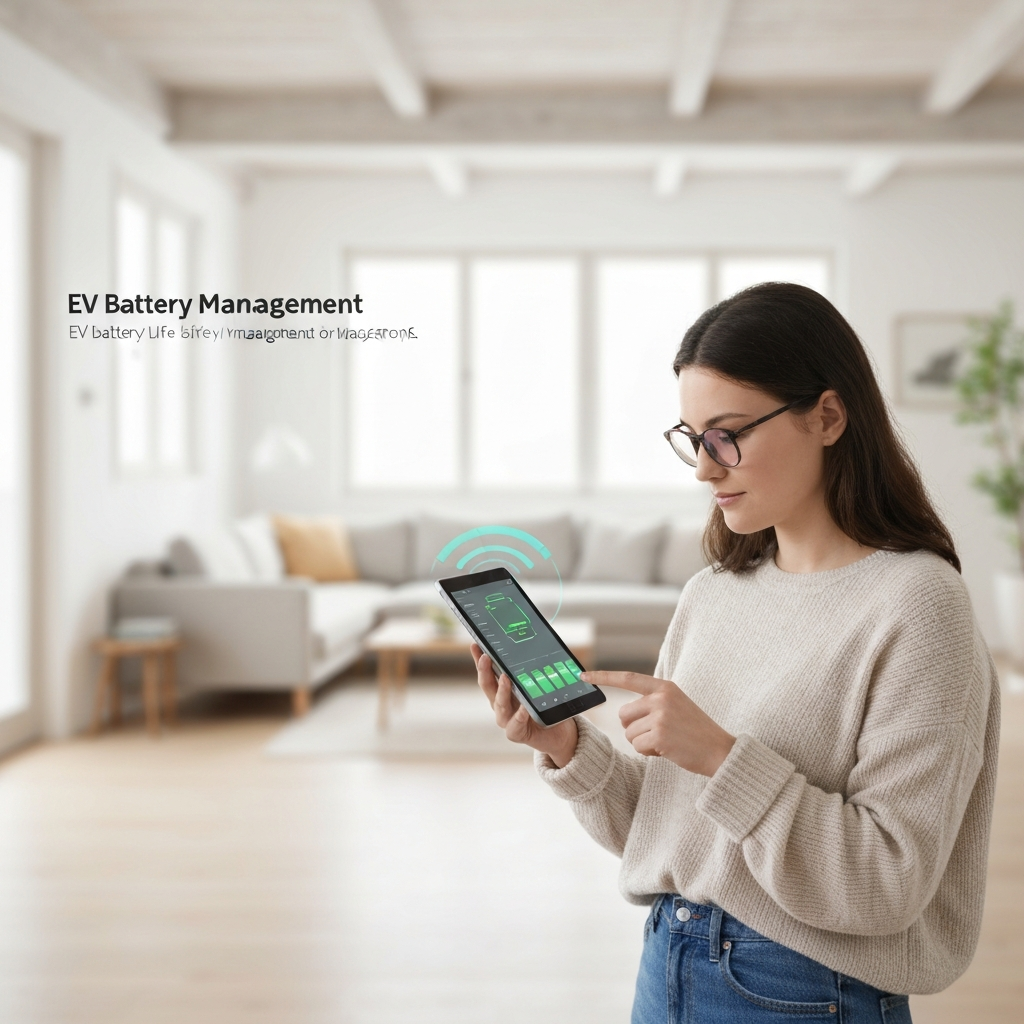
- Optimize Charging Habits: Avoid consistently charging to 100% or depleting to 0%. Ideally, maintain a charge range between 20% and 80% for daily use. Using a Level 2 charger at home is often preferable to DC fast charging, as it generates less heat and reduces stress on the battery. Consider using your EV's charging settings to limit the maximum charge level. Many modern EVs allow you to set a charging limit through the vehicle's infotainment system or mobile app.
- Manage Temperature Exposure: Extreme temperatures, both hot and cold, can accelerate battery degradation. Park your EV in a shaded area or garage whenever possible, especially during peak summer months or freezing winter conditions. If your EV has a battery pre-conditioning feature, utilize it to warm or cool the battery before charging or driving in extreme temperatures. For example, pre-conditioning can warm the battery in cold weather to improve charging efficiency and range.
- Drive Conservatively: Aggressive driving habits, such as rapid acceleration and hard braking, can put extra strain on the battery and reduce its lifespan. Smooth and consistent driving not only improves energy efficiency but also reduces the demand on the battery. Use regenerative braking effectively to recover energy and reduce wear on the brake pads. Anticipate traffic flow and avoid unnecessary acceleration and braking.
3. Integrating Solar Power for Sustainable EV Charging
Consider investing in residential solar panels to charge your EV with clean, renewable energy. This not only reduces your carbon footprint but can also lower your electricity bills.
Integrating residential solar panels with your EV charging setup offers a sustainable and cost-effective solution. By generating your own electricity, you can reduce your reliance on the grid and minimize your environmental impact. Solar panels convert sunlight into electricity, which can then be used to charge your EV directly or stored in a battery for later use. This combination maximizes the benefits of both technologies, providing a clean and efficient transportation and energy solution.
To effectively integrate solar power with your EV charging, consider the size of your solar panel system and your daily driving needs. A larger system can generate more electricity, allowing you to charge your EV more frequently and potentially offset your entire electricity bill. You'll also want to choose the right type of EV charger for your solar panel setup. A Level 2 charger is typically recommended for home charging, as it provides a balance between charging speed and efficiency. Smart chargers can be programmed to charge your EV during periods of peak solar production, further maximizing the use of renewable energy.
In addition to the environmental benefits, integrating solar power with EV charging can also provide significant cost savings. By reducing your reliance on the grid, you can lower your electricity bills and potentially earn credits through net metering programs. These programs allow you to sell excess solar energy back to the grid, further offsetting your electricity costs. The initial investment in solar panels can be substantial, but the long-term savings and environmental benefits make it a worthwhile investment for many EV owners. This sustainable setup not only enhances the longevity of your EV battery through regular, controlled charging but also aligns with environmentally conscious practices.
Conclusion
Maintaining the longevity of your EV battery is a critical aspect of electric vehicle ownership. By understanding the factors that contribute to battery degradation and implementing proactive management strategies, you can significantly extend the life of your battery and ensure optimal performance. Adopting smart charging habits, managing temperature exposure, and driving conservatively are all essential steps in preserving battery health.
As technology advances, we can expect to see further improvements in battery chemistry and management systems, leading to even longer-lasting and more efficient EV batteries. The integration of renewable energy sources, such as residential solar panels, offers a sustainable and cost-effective way to power your EV and reduce your environmental footprint. Embrace these strategies to maximize the lifespan of your EV battery and contribute to a cleaner, more sustainable future.
❓ Frequently Asked Questions (FAQ)
How often should I charge my EV battery?
The frequency of charging depends on your daily driving needs and the battery's capacity. It's generally recommended to charge your EV when the battery level drops to around 20-30%, rather than waiting until it's almost empty. Regular, smaller charging sessions are preferable to infrequent, full charges, as they reduce stress on the battery. Consider setting a charging schedule that aligns with your daily commute and energy consumption patterns to maintain a healthy battery level.
Does fast charging damage my EV battery?
While DC fast charging is convenient, frequent use can potentially accelerate battery degradation due to the increased heat generated during the charging process. It's best to reserve DC fast charging for situations where you need a quick charge on the go. For daily charging, using a Level 2 charger at home is a gentler option that minimizes stress on the battery. Some EVs have battery thermal management systems that mitigate the impact of fast charging, but it's still wise to use it judiciously.
What is battery pre-conditioning, and how does it help?
Battery pre-conditioning is a feature available in some EVs that warms or cools the battery to an optimal temperature before charging or driving. This helps improve charging efficiency and range, particularly in extreme weather conditions. In cold weather, pre-conditioning warms the battery to allow for faster charging and increased energy output. In hot weather, it cools the battery to prevent overheating and degradation. Utilizing this feature can significantly extend battery life and improve overall performance.
Tags: #EVBattery #ElectricVehicles #BatteryLongevity #EVCharging #SolarPower #RenewableEnergy #SustainableDriving
🔗 Recommended Reading
- Embracing the 80/20 Rule in Minimalist Living- Strategies for Optimizing Your Home and Lifestyle for Maximum Sustainability and Zero Waste
- Optimizing Lead Generation Forms Best Practices for Higher Conversions
- Ethical Considerations in AI Development Navigating Responsibility
- Saving Money with Energy Efficient Appliances Smart Home Solutions
- Creative Ways to Reuse and Repurpose Items for a Sustainable Home