📖 5 min read
The electric vehicle revolution is well underway, promising cleaner air, reduced carbon emissions, and a more sustainable transportation future. At the heart of every EV lies its battery, a sophisticated energy storage system that significantly impacts the vehicle's performance, range, and overall cost of ownership. One of the biggest concerns for potential EV adopters is the longevity and health of the battery pack, and how to ensure a long and productive lifespan. This guide serves as a comprehensive resource for EV owners and those considering making the switch, providing practical strategies and best practices for extending the life of your EV battery and maximizing your investment. By understanding the factors that affect battery health and implementing the right techniques, you can significantly prolong your battery's life and enjoy the full benefits of electric vehicle ownership. Whether you're a seasoned EV driver or new to the world of electric mobility, this guide offers valuable insights to help you make informed decisions and optimize your EV's battery performance.
1. Understanding EV Battery Degradation
EV battery degradation refers to the gradual decline in the battery's capacity to store and deliver energy over time. This is a natural process that occurs in all rechargeable batteries, including those found in smartphones, laptops, and EVs. Several factors contribute to battery degradation, including charging habits, operating temperature, and the age of the battery itself. Understanding these factors is crucial for implementing effective strategies to minimize degradation and extend battery lifespan.
The primary cause of battery degradation is the electrochemical reactions that occur within the battery during charging and discharging. These reactions can lead to the formation of solid electrolyte interphase (SEI) layers on the electrodes, which can impede the flow of ions and reduce the battery's capacity. Extreme temperatures, both hot and cold, can accelerate these reactions and cause further damage. For example, consistently charging to 100% and frequently using fast charging methods can put additional stress on the battery, leading to accelerated degradation. Data from various EV manufacturers and independent studies suggest that most EV batteries retain 80-90% of their original capacity after 5-7 years of use, but this can vary significantly depending on driving and charging habits.
The practical implications of understanding battery degradation are significant. By adopting optimal charging practices, such as avoiding frequent full charges and minimizing the use of fast charging, EV owners can significantly reduce the rate of degradation. Additionally, being mindful of operating temperatures and storing the vehicle in a shaded area during hot weather can help to protect the battery. By taking these steps, you can maintain your battery's health and ensure that your EV continues to deliver reliable performance for many years to come. Residential solar panels can even be coupled with home charging stations to reduce dependency on the electricity grid.
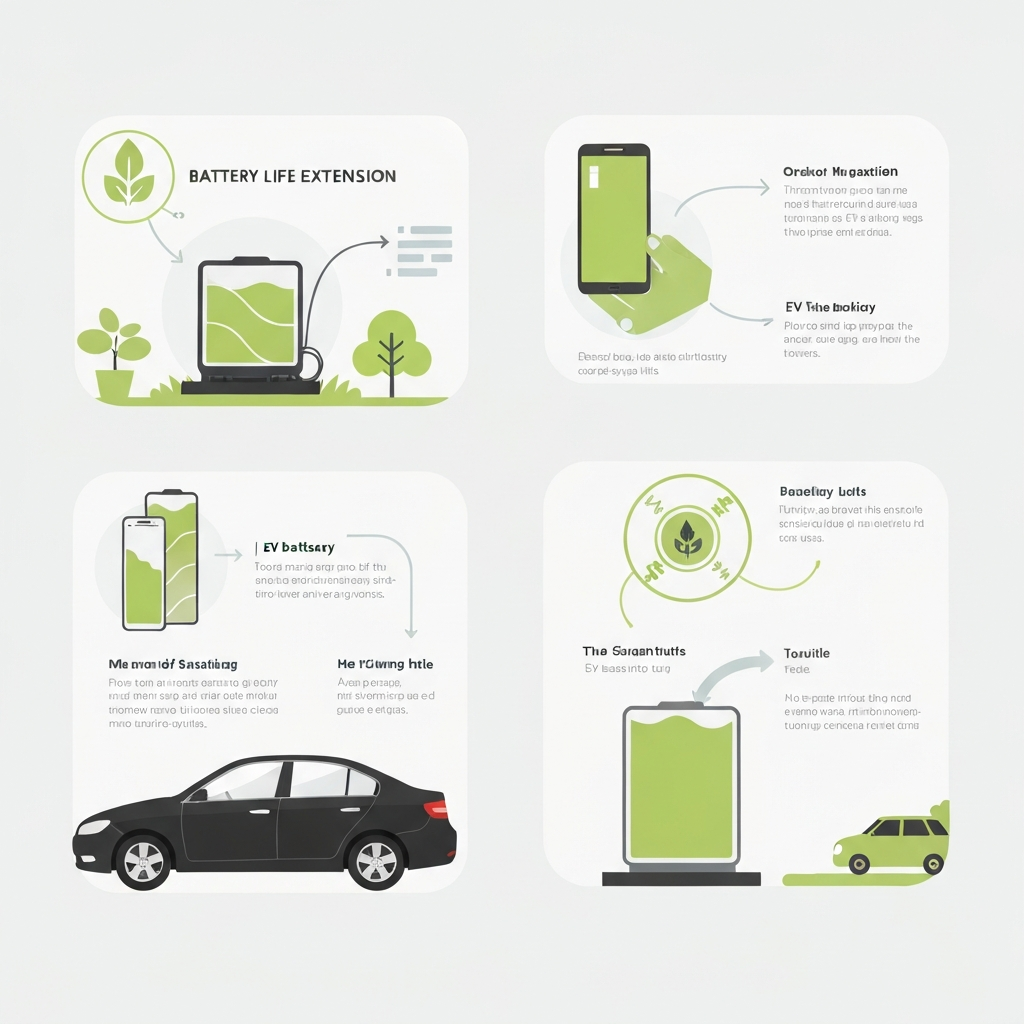
2. Practical Strategies for Extending Battery Life
Extending the lifespan of your EV battery requires a proactive approach that incorporates several key strategies related to charging, driving, and storage. By implementing these best practices, you can significantly minimize battery degradation and maximize its performance over the long term. Here are some of the most effective techniques:
- Optimal Charging Practices: Avoid consistently charging your EV battery to 100% and discharging it to 0%. Instead, aim to keep the battery charge level between 20% and 80% for daily use. This reduces stress on the battery and minimizes degradation. Whenever possible, use Level 2 charging at home rather than relying solely on DC fast charging, which generates more heat and can accelerate battery wear. If you have residential solar panels, prioritize charging during peak sunlight hours to further minimize your environmental impact and electricity costs.
- Mindful Driving Habits: Aggressive driving, characterized by rapid acceleration and hard braking, consumes more energy and puts additional strain on the battery. Adopt a smoother driving style with gradual acceleration and regenerative braking to conserve energy and reduce battery stress. Also, avoid carrying unnecessary weight in your vehicle, as this increases energy consumption and impacts battery performance.
- Temperature Management: Extreme temperatures, both hot and cold, can negatively affect battery performance and accelerate degradation. Park your EV in a shaded area or garage during hot weather to keep the battery cool. In cold weather, pre-condition the battery before driving to optimize its performance. Some EVs have built-in features that allow you to remotely pre-heat or pre-cool the battery using a smartphone app. Investing in insulated garage doors can also help maintain a more consistent temperature.
3. The Role of Residential Solar Panels in EV Battery Health
Combining residential solar panel systems with EV ownership creates a synergistic effect, not only reducing your carbon footprint but also potentially improving EV battery health through optimized charging practices.
Integrating residential solar panels with your EV charging infrastructure offers numerous benefits, including reduced energy costs, a smaller carbon footprint, and enhanced energy independence. However, one often overlooked advantage is the potential to improve EV battery health through optimized charging practices. By using solar energy to charge your EV, you can minimize your reliance on the grid and potentially charge your vehicle during off-peak hours, when electricity rates are lower. This can lead to more consistent and controlled charging cycles, which can reduce stress on the battery and prolong its lifespan.
Implementing a solar-powered EV charging system involves installing solar panels on your property and connecting them to an inverter that converts DC power to AC power. This AC power can then be used to charge your EV via a Level 2 charger. Many smart EV chargers can be programmed to prioritize charging when solar energy is available, ensuring that you are maximizing the use of renewable energy. Additionally, some systems include battery storage, allowing you to store excess solar energy for later use, further enhancing your energy independence and reducing reliance on the grid. By carefully planning and optimizing your solar-powered EV charging system, you can significantly reduce your energy costs, minimize your environmental impact, and potentially improve the long-term health of your EV battery.
In summary, the integration of residential solar panels with EV charging presents a compelling opportunity to enhance battery health while simultaneously reducing energy costs and promoting environmental sustainability. By leveraging solar energy for EV charging, owners can minimize their dependence on the grid, optimize charging cycles, and contribute to a cleaner, more sustainable transportation future. This approach aligns perfectly with the goals of EV ownership and offers a holistic solution for those seeking to reduce their carbon footprint and maximize the lifespan of their EV battery.
Conclusion
Extending the lifespan of your EV battery is a multifaceted endeavor that requires a thorough understanding of battery degradation factors and the implementation of proactive strategies. By adopting optimal charging practices, mindful driving habits, and effective temperature management techniques, EV owners can significantly minimize battery degradation and maximize its performance over the long term. Moreover, the integration of residential solar panels with EV charging offers a compelling opportunity to further enhance battery health while simultaneously reducing energy costs and promoting environmental sustainability.
As the electric vehicle market continues to evolve, advancements in battery technology, charging infrastructure, and energy management systems will undoubtedly play a crucial role in extending battery lifespan and improving overall EV performance. Embracing these innovations and staying informed about best practices will empower EV owners to make informed decisions and optimize the longevity of their EV batteries, contributing to a more sustainable and efficient transportation future. With careful planning and proactive management, you can ensure that your EV battery continues to deliver reliable performance for many years to come.
❓ Frequently Asked Questions (FAQ)
Will using fast charging regularly damage my EV battery?
While DC fast charging is convenient, using it frequently can accelerate battery degradation compared to Level 2 charging. DC fast charging generates more heat within the battery, which can contribute to the breakdown of the battery's internal components over time. It's generally recommended to limit the use of fast charging to situations where it's truly necessary, such as long road trips, and to rely on Level 2 charging for regular daily use. Consider using Level 2 charging at home with residential solar panels whenever possible, as this provides a more gentle and controlled charging cycle.
How does cold weather affect EV battery performance and lifespan?
Cold weather can significantly reduce EV battery performance and range due to the slowing down of electrochemical reactions within the battery. This can result in a noticeable decrease in driving range and a longer charging time. To mitigate these effects, it's recommended to pre-condition your battery before driving in cold weather, which involves warming the battery using the vehicle's heating system. Additionally, parking your EV in a garage or using a battery blanket can help to maintain a more consistent battery temperature and minimize the impact of cold weather on battery performance and lifespan.
Is it better to charge my EV battery every night, even if it's not fully depleted?
It's generally not necessary to charge your EV battery every night if it's not significantly depleted. In fact, frequently charging to 100% can put unnecessary stress on the battery and accelerate degradation. Instead, it's recommended to maintain the battery charge level between 20% and 80% for daily use and only charge to 100% when you need the full range for a long trip. Some EVs have features that allow you to set a maximum charging level, which can help you avoid overcharging the battery. Consider setting the maximum charge level to 80% for regular use to optimize battery health.
Tags: #EVBattery #BatteryLifespan #ElectricVehicles #SolarPower #EVCharging #RenewableEnergy #GreenEnergy
🔗 Recommended Reading
- Innovative Materials and Technologies for Building Integrated Photovoltaics Enhancing Energy Efficiency and Aesthetics in Modern Architecture
- Reducing Microplastic Pollution in Laundry and Textiles - A Guide to Sustainable Fabric Choices and Washing Machine Filters for a Minimal Waste Lifestyle
- Renewable Energy Policy Impact on Local Economies - A Study of Job Creation and Community Development in Regions with High Solar Adoption Rates
- Implementing a Circular Economy in Your Community - A Guide to Collaborative Waste Reduction and Sustainable Neighborhood Initiatives
- Embracing the 80/20 Rule in Minimalist Living- Strategies for Optimizing Your Home and Lifestyle for Maximum Sustainability and Zero Waste