📖 5 min read
The shift towards electric vehicles (EVs) is accelerating as we strive for a greener future. However, a critical factor influencing the widespread adoption of EVs is battery longevity. EV batteries, like all batteries, degrade over time, affecting vehicle range, performance, and overall value. Understanding the factors that contribute to battery degradation and implementing effective mitigation strategies is essential for EV owners and prospective buyers alike. Moreover, integrating residential solar panels can further enhance the sustainability and cost-effectiveness of EV ownership. This comprehensive guide explores the key aspects of EV battery degradation, offering practical solutions and insights into optimizing battery health for a longer lifespan.
1. Understanding EV Battery Degradation
EV battery degradation refers to the gradual decline in the battery's ability to store and deliver energy. This manifests as a reduction in the vehicle's range, power output, and overall performance. Degradation is an inevitable process influenced by various factors, including usage patterns, environmental conditions, and inherent battery chemistry. Understanding these factors allows EV owners to adopt strategies that minimize their impact and extend battery lifespan. The primary goal is to maintain optimal battery health, ensuring consistent performance and maximizing the value of the EV investment.
One key aspect of battery degradation is capacity fade, which is the permanent loss of the battery's ability to hold a charge. This differs from temporary reductions in range due to cold weather, which typically recover when temperatures normalize. Capacity fade is primarily caused by chemical reactions within the battery cells, such as the formation of solid electrolyte interface (SEI) layers and the degradation of electrode materials. For example, frequent rapid charging, especially at high voltage DC fast charging stations, can accelerate capacity fade due to increased heat and stress on the battery components. Conversely, adhering to recommended charging practices and maintaining a moderate state of charge can significantly slow down the degradation process. Data collected from numerous EV fleets indicate that vehicles with well-managed charging habits experience substantially less capacity fade over time.
The practical implications of battery degradation are significant. As the battery degrades, the vehicle's range decreases, potentially leading to range anxiety and the need for more frequent charging. This can impact daily commuting and long-distance travel. Furthermore, reduced battery performance can affect acceleration and overall driving experience. Over the long term, significant battery degradation can diminish the resale value of the EV. Therefore, proactive battery management is crucial for maintaining optimal vehicle performance and protecting the investment in an EV. Regularly monitoring battery health through vehicle diagnostics and adhering to manufacturer guidelines are essential steps in mitigating the effects of degradation.
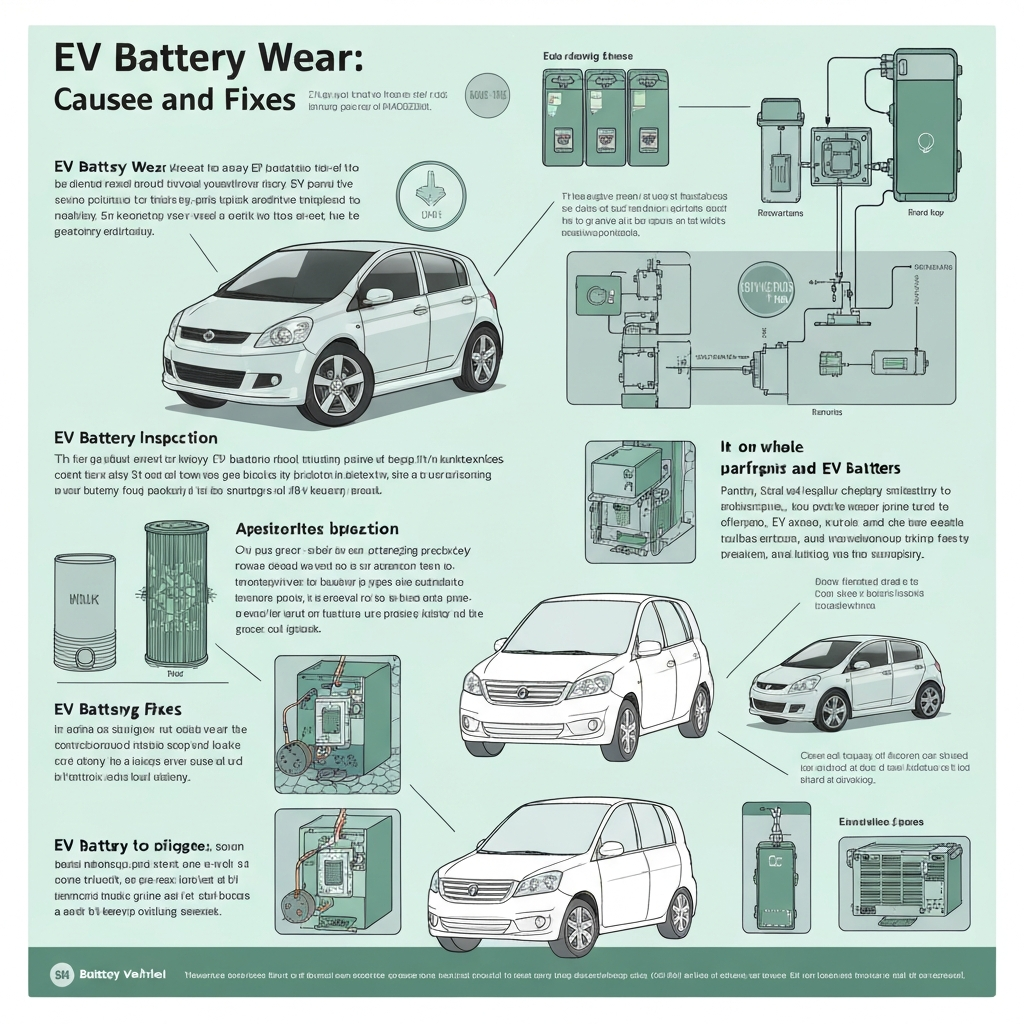
2. Key Factors Affecting Battery Degradation
Several factors contribute to the degradation of EV batteries. Understanding these factors is crucial for implementing effective mitigation strategies and prolonging battery lifespan. These factors can be broadly categorized into environmental factors, usage patterns, and charging habits. By addressing each of these areas, EV owners can significantly reduce the rate of battery degradation and maintain optimal vehicle performance over the long term.
- Temperature Extremes: High and low temperatures can significantly impact battery performance and accelerate degradation. High temperatures can accelerate chemical reactions within the battery, leading to faster capacity fade. Conversely, low temperatures can reduce battery capacity and slow down chemical reactions. For example, leaving an EV parked in direct sunlight during a hot summer day can cause the battery temperature to rise to levels that are detrimental to its long-term health. Similarly, exposing the battery to extremely cold temperatures can reduce its performance and lifespan. Utilizing climate control features to pre-condition the battery before driving and parking in shaded areas can help mitigate the effects of temperature extremes.
- Charging Habits: The way an EV is charged can have a significant impact on battery degradation. Frequent fast charging, especially at high voltage DC fast charging stations, can generate excessive heat and stress on the battery, leading to faster capacity fade. Charging the battery to 100% and leaving it at that state for extended periods can also accelerate degradation. Similarly, consistently depleting the battery to very low levels (e.g., below 20%) can be detrimental to its long-term health. Adopting a balanced charging approach, such as charging to 80% most of the time and avoiding frequent fast charging, can help prolong battery lifespan. Furthermore, utilizing scheduled charging to take advantage of off-peak electricity rates can reduce charging costs and minimize strain on the battery.
- Driving Patterns: Aggressive driving habits, such as frequent hard acceleration and braking, can place additional stress on the battery and accelerate degradation. These driving patterns demand high power output from the battery, which generates heat and can contribute to faster capacity fade. Conversely, driving in a more moderate and efficient manner can reduce the strain on the battery and prolong its lifespan. Utilizing regenerative braking effectively can help recover energy and reduce the need for hard braking, further minimizing battery degradation. By adopting a smoother and more eco-friendly driving style, EV owners can significantly improve battery health and extend vehicle range.
3. Strategies for Mitigating Battery Degradation
Pro Tip: Consider installing residential solar panels to charge your EV. This not only reduces your carbon footprint but also allows you to charge your vehicle with clean, renewable energy, minimizing your reliance on the grid and potentially saving money on electricity bills.
Mitigating battery degradation requires a proactive approach that addresses the key factors discussed earlier. By implementing effective strategies related to charging, temperature management, and driving habits, EV owners can significantly prolong battery lifespan and maintain optimal vehicle performance. These strategies are designed to minimize stress on the battery and promote its long-term health.
One of the most effective strategies is to optimize charging habits. This involves avoiding frequent fast charging, especially at high voltage DC fast charging stations, and limiting the battery's state of charge to between 20% and 80% most of the time. Fast charging generates significant heat, which can accelerate battery degradation. Similarly, keeping the battery fully charged or deeply discharged for extended periods can also be detrimental. Utilizing scheduled charging to take advantage of off-peak electricity rates can further reduce charging costs and minimize strain on the battery. Moreover, consider installing a Level 2 charger at home, which provides a faster and more efficient charging solution compared to a standard Level 1 charger, without the high heat of DC fast charging. A Level 2 charger allows for overnight charging, ensuring the vehicle is ready for daily use without compromising battery health.
Temperature management is another crucial aspect of mitigating battery degradation. Extreme temperatures can significantly impact battery performance and lifespan. To minimize the effects of temperature extremes, park the EV in shaded areas or garages whenever possible, especially during hot summer days. Utilize the vehicle's climate control features to pre-condition the battery before driving, which helps to bring the battery to an optimal operating temperature. In cold weather, consider using a battery warmer to maintain battery temperature and improve performance. Furthermore, avoid leaving the EV parked in direct sunlight for extended periods, as this can cause the battery temperature to rise to levels that are detrimental to its long-term health. By implementing these temperature management strategies, EV owners can significantly reduce the rate of battery degradation and maintain optimal vehicle performance.
Conclusion
EV battery degradation is an inevitable process, but its impact can be significantly minimized through proactive management and informed practices. By understanding the factors that contribute to degradation and implementing effective mitigation strategies, EV owners can extend battery lifespan, maintain optimal vehicle performance, and protect their investment. Adopting a balanced charging approach, managing temperature extremes, and promoting efficient driving habits are key to maximizing battery health. Moreover, leveraging residential solar panels for EV charging offers a sustainable and cost-effective solution, further enhancing the overall value proposition of electric vehicles.
The future of EV battery technology is promising, with ongoing research and development focused on improving battery chemistry, thermal management systems, and charging infrastructure. Advancements in solid-state batteries, for example, offer the potential for higher energy density, faster charging, and improved safety. As technology evolves, EV batteries are expected to become more durable and resilient, further reducing concerns about degradation and enhancing the overall ownership experience. Embracing these advancements and adopting best practices for battery management will be crucial for realizing the full potential of electric vehicles and accelerating the transition to a sustainable transportation future.
❓ Frequently Asked Questions (FAQ)
How much does EV battery replacement cost?
The cost of replacing an EV battery can vary significantly depending on the vehicle model, battery size, and labor costs. Generally, battery replacement can range from $5,000 to $20,000 or more. However, it's important to note that many EV manufacturers offer battery warranties that cover defects or significant degradation within a specified period (e.g., 8 years or 100,000 miles). Therefore, it's crucial to check the warranty terms to determine if battery replacement is covered.
What is the typical lifespan of an EV battery?
The typical lifespan of an EV battery is generally between 8 to 10 years or 100,000 to 200,000 miles, although many batteries can last longer with proper care and maintenance. Battery lifespan is influenced by factors such as charging habits, environmental conditions, and driving patterns. Modern EV batteries are designed to retain a significant portion of their original capacity over their lifespan, typically around 70-80% after 8 years. Some studies have shown that many EV batteries can still perform well even after exceeding these initial estimates.
How can residential solar panels benefit EV owners?
Residential solar panels can offer significant benefits to EV owners by providing a clean and cost-effective energy source for charging their vehicles. By generating electricity from solar panels, EV owners can reduce their reliance on the grid and lower their electricity bills. Solar panels also contribute to a more sustainable lifestyle by reducing carbon emissions associated with electricity generation. Additionally, solar panel systems can qualify for tax credits and incentives, further reducing the overall cost of installation. Integrating residential solar panels with EV charging creates a synergistic system that maximizes energy efficiency and reduces environmental impact.
Tags: #EVBattery #BatteryDegradation #ElectricVehicles #SolarPanels #EVCharging #BatteryLife #RenewableEnergy
🔗 Recommended Reading