📖 5 min read
Electric vehicles (EVs) are rapidly gaining popularity as a sustainable alternative to traditional gasoline cars. A significant concern for potential EV adopters is the long-term health and performance of the battery, which constitutes a major component of the vehicle's cost. Battery degradation, the gradual decline in battery capacity over time, is a natural process but is influenced by numerous factors. Understanding these factors is essential for EV owners to make informed decisions and optimize their battery's lifespan. In this comprehensive guide, we will explore the primary causes of EV battery degradation, providing actionable insights for preserving battery health and maximizing the value of your electric vehicle investment.
1. Temperature's Impact on EV Battery Health
Temperature plays a pivotal role in the chemical processes occurring within an EV battery. Extreme temperatures, both hot and cold, accelerate battery degradation. High temperatures increase the rate of chemical reactions that lead to the breakdown of battery components, while low temperatures reduce battery performance and can cause irreversible damage if the battery is charged or discharged aggressively.
For instance, consistently exposing an EV battery to temperatures above 90°F (32°C) can significantly reduce its lifespan, potentially leading to a capacity loss of several percentage points per year. Conversely, operating an EV in extremely cold climates without preconditioning the battery can also accelerate degradation. Studies have shown that frequent exposure to sub-freezing temperatures can diminish the battery's ability to hold a charge, resulting in a noticeable decrease in range.
To mitigate temperature-related degradation, EV manufacturers incorporate thermal management systems (TMS) to regulate battery temperature. These systems use either air or liquid cooling to maintain the battery within an optimal temperature range, typically between 60°F and 80°F (15°C and 27°C). Parking in shaded areas during hot weather and preconditioning the battery before driving in cold weather are practical steps owners can take to further minimize temperature-related stress.
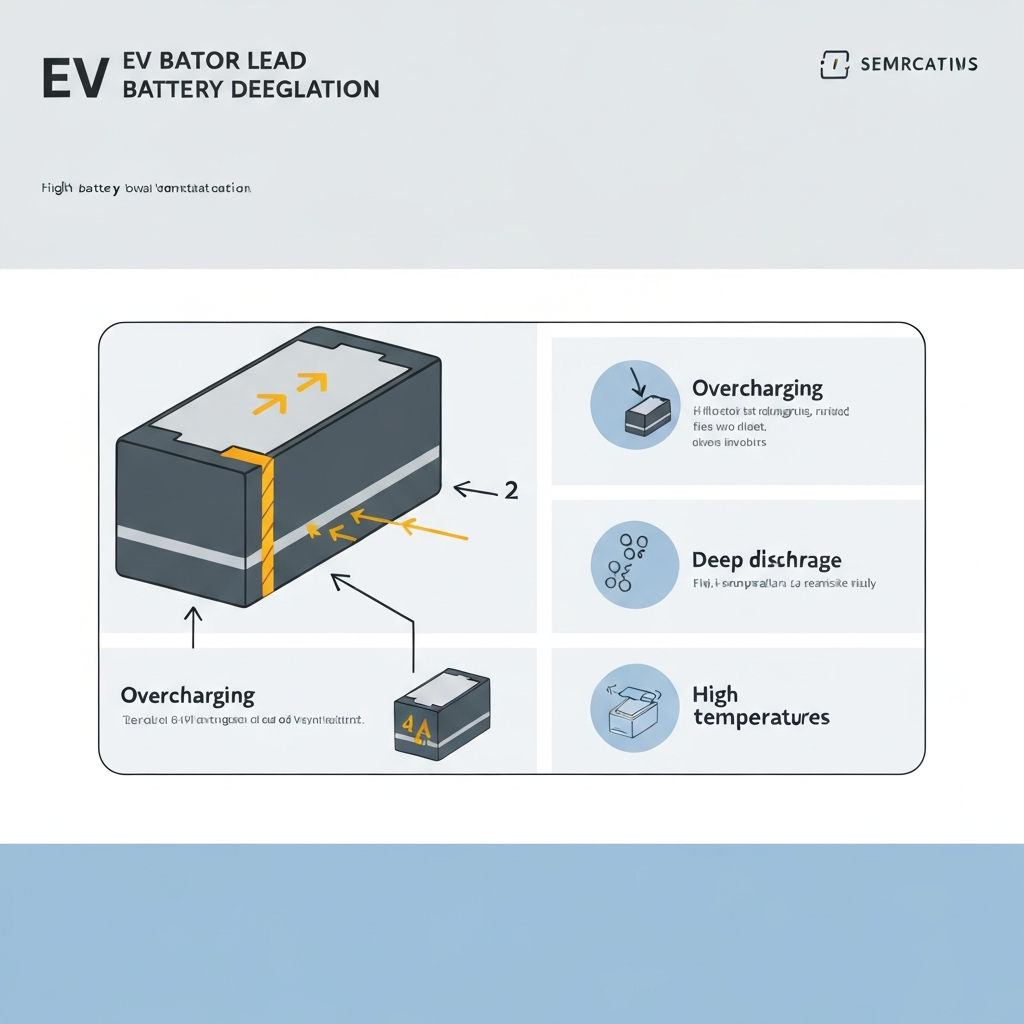
2. Charging Habits and Battery Degradation
Charging behavior is another significant determinant of EV battery longevity. The way an EV is charged, including the frequency, charging speed, and state of charge (SOC) levels, can profoundly affect the rate of battery degradation. Understanding the impact of different charging practices can help EV owners optimize their charging routines to preserve battery health.
- Depth of Discharge (DoD): Deep discharges, where the battery is depleted to very low SOC levels (e.g., below 20%), put significant stress on the battery. Regularly depleting the battery to near-empty can accelerate degradation compared to shallower discharges. Aiming to keep the battery SOC between 20% and 80% is generally recommended to minimize DoD-related stress.
- Charging Speed: While fast charging (DC fast charging) offers convenience, it also generates more heat within the battery cells. Frequent use of DC fast charging can contribute to faster degradation compared to Level 2 charging (AC charging). Limit DC fast charging to situations where it is truly necessary and prioritize Level 2 charging for daily use.
- State of Charge (SOC) at Rest: Leaving an EV battery at a very high SOC (e.g., 100%) or very low SOC for extended periods can accelerate degradation. Storing the battery at around 50% SOC is generally recommended for long-term storage to minimize stress on the cells. This is particularly relevant if the EV will not be used for several weeks or months.
3. Driving Style and Usage Patterns
Aggressive driving habits, such as rapid acceleration and hard braking, demand high power output from the battery, which can generate significant heat and contribute to accelerated degradation. Smooth and consistent driving, on the other hand, reduces stress on the battery and helps extend its lifespan.
Driving style plays a crucial role in how quickly an EV battery degrades. High-performance driving, characterized by frequent bursts of acceleration and hard braking, places greater demands on the battery. These demands translate to increased heat generation and higher current flow, both of which accelerate degradation processes. Conversely, a more relaxed and efficient driving style reduces stress on the battery, contributing to a longer lifespan.
Furthermore, overall usage patterns, including the total mileage driven and the types of roads driven on, also influence battery degradation. EVs used primarily for short commutes in urban environments may experience different degradation patterns compared to those used for long highway journeys. Frequent stop-and-go driving can put a strain on the battery due to the constant acceleration and deceleration, while consistent highway speeds may result in more uniform degradation.
Consider adopting eco-driving techniques to minimize battery stress. These techniques include anticipating traffic flow, avoiding sudden acceleration and braking, and maintaining a steady speed. Regularly monitoring your driving habits and making adjustments as needed can significantly impact the long-term health of your EV battery.
Conclusion
Understanding the factors that contribute to EV battery degradation is crucial for maximizing the lifespan and performance of your electric vehicle. Temperature, charging habits, and driving style all play significant roles in determining how quickly a battery degrades. By implementing strategies to mitigate these factors, EV owners can help preserve battery health and ensure their vehicles remain reliable for years to come.
As EV technology continues to evolve, advancements in battery chemistry and thermal management systems are expected to further improve battery longevity and reduce degradation rates. Staying informed about these advancements and adopting best practices for battery care will help EV owners optimize their investment and contribute to a more sustainable transportation future.
❓ Frequently Asked Questions (FAQ)
How much battery degradation is normal for an EV?
The amount of battery degradation considered normal varies depending on the EV model, battery chemistry, and usage conditions. However, a typical EV battery might experience a capacity loss of 1-3% per year in the initial years, with the rate of degradation slowing down over time. Factors like extreme temperatures, frequent fast charging, and aggressive driving can accelerate this degradation process. It's important to monitor your EV's battery health through the vehicle's diagnostic system and compare it against expected degradation rates for your specific model.
Can battery degradation be reversed or repaired?
While some advancements are being made in battery reconditioning technologies, true reversal of battery degradation is generally not possible with current consumer-level technologies. Some minor capacity improvements might be achieved through specialized cycling procedures or software updates, but these are typically marginal and don't restore the battery to its original state. In cases of significant degradation, battery replacement is often the most practical solution to restore the EV's range and performance. It's best to focus on preventative measures to minimize degradation in the first place.
Does using regenerative braking affect battery degradation?
Regenerative braking, which captures kinetic energy during deceleration and converts it back into electricity to recharge the battery, generally has a positive effect on battery health. While it does involve charging and discharging the battery, regenerative braking is typically a gentle process that occurs at a relatively slow rate. The energy recovered through regenerative braking reduces the need for traditional friction braking, which in turn conserves energy and reduces wear and tear on brake components. Furthermore, the controlled charging process associated with regenerative braking is less likely to cause significant heat buildup or stress on the battery compared to fast charging.
Tags: #EVBattery #BatteryDegradation #ElectricVehicles #EVCharging #BatteryLife #GreenEnergy #SustainableTransportation