📖 5 min read
The heart of any electric vehicle (EV) is its battery, a complex system responsible for storing and delivering the energy that powers the vehicle. However, like all batteries, EV batteries are subject to degradation over time, leading to reduced range, performance, and eventually, the need for replacement. Understanding the causes of battery degradation and implementing strategies to mitigate these effects is crucial for EV owners to maximize the lifespan and value of their vehicles. This comprehensive guide will explore the key factors influencing EV battery degradation and provide actionable steps to minimize their impact, focusing on practical tips and expert insights for EV owners and those considering making the switch to electric.
1. Understanding EV Battery Degradation
EV battery degradation refers to the gradual decline in the battery's capacity to store energy and deliver power. This degradation is a natural process that occurs due to chemical reactions and physical changes within the battery cells during charging and discharging cycles. As a result, the EV's range decreases, acceleration may be affected, and the overall performance of the vehicle diminishes over time. It is important to note that degradation is not a sudden failure but rather a gradual process, and the rate of degradation can vary significantly depending on several factors.
One key aspect of understanding battery degradation is recognizing the difference between calendar aging and cycle aging. Calendar aging refers to the degradation that occurs simply due to the passage of time, regardless of how often the battery is used. This is influenced by factors such as temperature and the battery's state of charge. Cycle aging, on the other hand, refers to degradation caused by the actual charging and discharging cycles of the battery. Each time the battery is charged and discharged, it undergoes chemical and physical stresses that contribute to degradation. For example, constantly charging to 100% and discharging to near zero can accelerate cycle aging.
The implications of EV battery degradation extend beyond just reduced range. A degraded battery may also experience a decrease in power output, affecting acceleration and overall driving performance. Furthermore, battery degradation impacts the resale value of the EV. Potential buyers are naturally concerned about the remaining battery capacity, and a significantly degraded battery can lower the vehicle's market value. Therefore, proactive measures to mitigate battery degradation are essential for maintaining the long-term value and usability of an EV. Proper charging habits, temperature management, and minimizing extreme state-of-charge levels can all contribute to extending battery life and preserving performance.
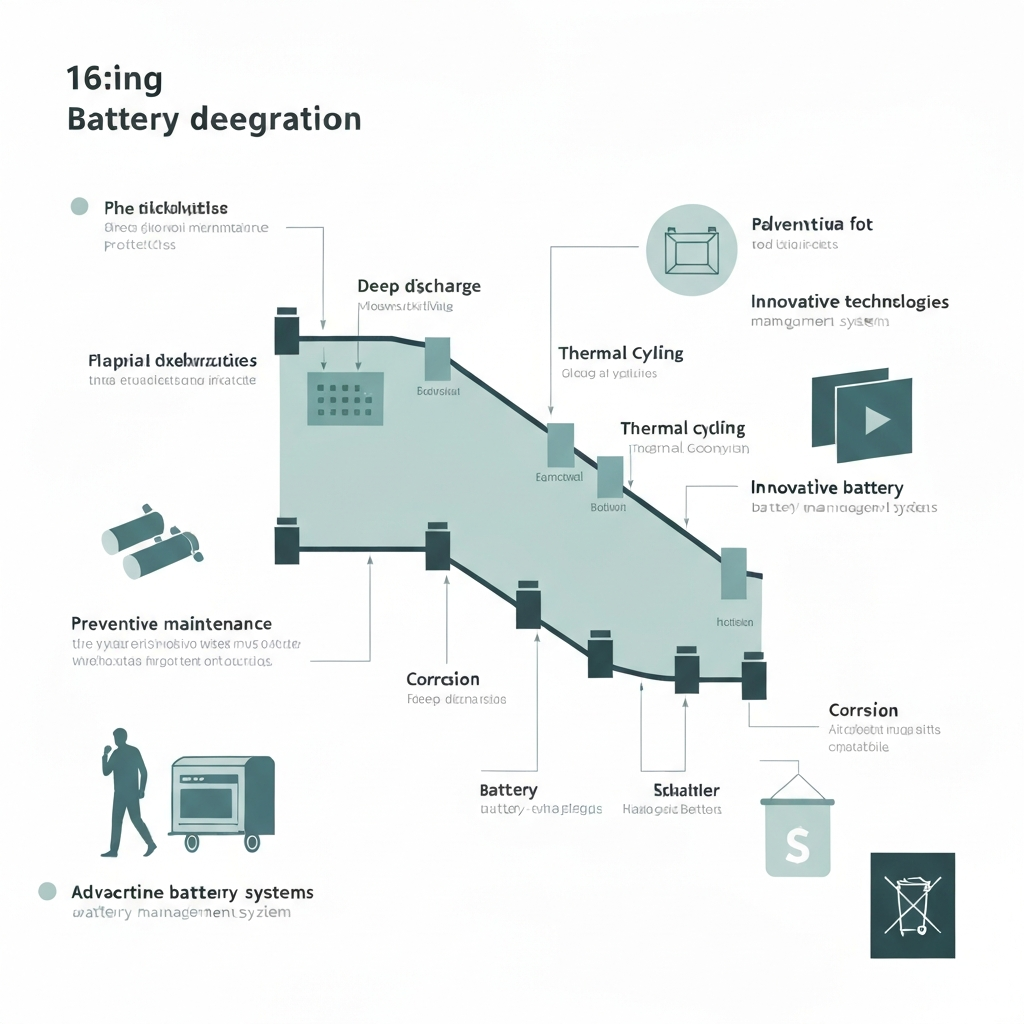
2. Key Factors Influencing Battery Degradation
Several factors contribute to the degradation of EV batteries, and understanding these factors is essential for implementing effective mitigation strategies. These factors can be broadly categorized as environmental, usage-related, and design-related. By carefully managing these factors, EV owners can significantly extend the lifespan of their batteries and maintain optimal performance for longer.
- High Temperatures: High ambient temperatures are a major contributor to battery degradation. Elevated temperatures accelerate the chemical reactions within the battery cells, leading to faster degradation of the electrodes and electrolyte. Repeated exposure to high temperatures, especially during charging, can significantly reduce the battery's lifespan. For example, leaving an EV parked in direct sunlight on a hot summer day can cause the battery temperature to rise dramatically, accelerating degradation. Battery management systems (BMS) often incorporate cooling systems to mitigate this, but external factors still play a role.
- Charging Habits: How an EV is charged has a significant impact on battery health. Regularly charging the battery to 100% and discharging it to near zero can accelerate degradation. Deep discharges and full charges put stress on the battery cells, leading to increased wear and tear. Additionally, using fast charging frequently can also contribute to degradation due to the higher heat generated during the charging process. A more balanced charging approach, such as charging to 80-90% and avoiding deep discharges, can help to extend battery life.
- Driving Style: Aggressive driving habits, such as rapid acceleration and hard braking, can put a strain on the battery. Frequent high-power demands can generate heat and accelerate degradation, especially in older battery technologies. Smooth and consistent driving, on the other hand, can help to minimize stress on the battery and extend its lifespan. For instance, anticipating traffic and avoiding sudden acceleration can reduce the amount of power drawn from the battery, resulting in less heat generation and slower degradation.
3. Mitigation Strategies for EV Battery Degradation
Pro Tip: Utilize your EV's charging scheduler to limit the maximum charge level to 80-90% and schedule charging during off-peak hours to minimize strain on the grid and potentially reduce electricity costs.
Mitigating EV battery degradation involves adopting strategies that minimize stress on the battery and optimize its operating conditions. These strategies encompass charging practices, temperature management, and driving habits. By implementing these measures, EV owners can significantly extend the lifespan of their batteries and maintain optimal performance for a longer period.
One of the most effective strategies is to optimize charging habits. Avoid consistently charging to 100% and discharging to near zero. Instead, aim to keep the battery charge level between 20% and 80%. This reduces stress on the battery cells and helps to slow down degradation. Also, minimize the use of fast charging, especially for routine charging. While fast charging is convenient, it generates more heat, which can accelerate degradation. When possible, opt for slower charging methods, such as Level 2 charging, which is gentler on the battery. Furthermore, utilize your EV's charging scheduler to limit the maximum charge level and schedule charging during off-peak hours.
Temperature management is another crucial aspect of mitigating battery degradation. Park your EV in shaded areas or garages whenever possible to avoid extreme heat. If you live in a hot climate, consider using a car cover to reflect sunlight and reduce the temperature inside the vehicle. During cold weather, preconditioning the battery before driving can help to warm it up and improve its performance. Most modern EVs offer preconditioning features that can be activated remotely. Finally, adopt a smooth and consistent driving style. Avoid aggressive acceleration and hard braking, which can put a strain on the battery. By driving more efficiently, you can reduce the amount of power drawn from the battery, minimize heat generation, and slow down degradation. By adopting these strategies, you can significantly extend the life of your EV battery and maintain optimal performance over the long term.
Conclusion
EV battery degradation is an inevitable process, but its impact can be significantly minimized through informed decisions and proactive management. By understanding the factors that contribute to degradation and implementing appropriate mitigation strategies, EV owners can extend the lifespan of their batteries, maintain optimal performance, and preserve the value of their vehicles. This ultimately contributes to a more sustainable and cost-effective EV ownership experience.
As EV technology continues to evolve, battery management systems are becoming increasingly sophisticated, offering enhanced features for monitoring and optimizing battery health. Future advancements in battery chemistry and thermal management will further improve battery longevity and reduce degradation rates. By staying informed about these advancements and adopting best practices for battery care, EV owners can maximize the benefits of electric vehicle ownership and contribute to a cleaner, more sustainable future. The move to electric vehicles is only going to accelerate with time, and with it, a deeper understanding of battery management will become crucial for all vehicle owners and potential adopters alike.
❓ Frequently Asked Questions (FAQ)
Will my EV battery suddenly fail?
EV batteries typically don't experience sudden failures. Instead, they gradually degrade over time, with a decrease in range and performance. The battery management system (BMS) in modern EVs constantly monitors the battery's health and provides warnings if any issues are detected. Furthermore, most EV manufacturers offer warranties that cover significant battery degradation within a specific timeframe or mileage, providing peace of mind for owners. You'll notice the degradation slowly over the years, not overnight.
How can I estimate the remaining lifespan of my EV battery?
Several factors influence the lifespan of an EV battery, making it challenging to provide an exact estimate. However, you can monitor the battery's performance by tracking its range and charging times. Some EVs also provide diagnostic information about the battery's health through the vehicle's infotainment system or a dedicated app. Additionally, independent battery testing services can assess the battery's capacity and provide a more accurate estimate of its remaining lifespan. Consider reaching out to specialized testing centers, they can often give you detailed reports on the health of your battery pack.
What are the options for replacing or repurposing an EV battery?
When an EV battery reaches the end of its usable life in a vehicle, there are several options for replacement or repurposing. The most common option is to replace the battery pack with a new or refurbished one. Many manufacturers offer battery replacement programs, and third-party companies also provide battery replacement services. Another option is to repurpose the battery for stationary energy storage applications, such as home energy storage or grid stabilization. This extends the battery's useful life and reduces waste. Recycling the battery is also an option, with specialized facilities recovering valuable materials like lithium, cobalt, and nickel for reuse in new batteries.
Tags: #EVBattery #BatteryDegradation #ElectricVehicles #EVCharging #BatteryLife
🔗 Recommended Reading