📖 5 min read
The fight against single-use plastics is a battle fought daily, one shopping trip at a time. We're bombarded with plastic bags at every turn, contributing to overflowing landfills and harming our planet. The solution? Embrace reusable shopping bags! But why settle for generic, mass-produced options when you can create your own unique and personalized bags? This comprehensive guide will walk you through various DIY methods, empowering you to transform old materials into stylish and eco-friendly shopping companions. Let's dive in and unleash your creativity while making a positive impact on the environment. With a little effort, you can drastically reduce your plastic consumption and inspire others to do the same. Get ready to ditch the plastic and embrace sustainable shopping!
1. Choosing the Right Materials for Your DIY Reusable Bag
Selecting the appropriate material is paramount when embarking on your DIY reusable bag project. The durability, washability, and environmental impact of your chosen fabric will significantly influence the bag's longevity and overall sustainability. Opting for repurposed materials is an excellent way to minimize waste and give new life to items destined for the landfill. Consider the bag's intended use – will it be for groceries, books, or lighter items? This will help determine the necessary strength and thickness of the material.
One fantastic option is repurposing old denim jeans. Denim is incredibly durable and can withstand considerable weight, making it ideal for grocery shopping. Simply cut the legs off the jeans, sew the bottom closed, and add handles made from the remaining denim or sturdy webbing. Another excellent choice is canvas fabric, either new or salvaged from old tarps or upholstery. Canvas is naturally strong and can be easily dyed or printed with your own designs. Consider using old t-shirts for smaller, lightweight bags – just be mindful of the fabric's stretch and reinforce the seams accordingly. Explore your closet and local thrift stores for hidden gems waiting to be transformed!
Beyond the main fabric, think about the handles. Sturdy webbing, rope, or even repurposed leather belts can be used to create comfortable and durable handles. When sewing your bag, always use a strong thread and reinforce the seams, especially at stress points like the handle attachments. Remember to choose materials that are easy to clean – a quick machine wash is often the most convenient option. By carefully selecting your materials, you can create a reusable bag that is not only stylish and functional but also contributes to a more sustainable lifestyle.
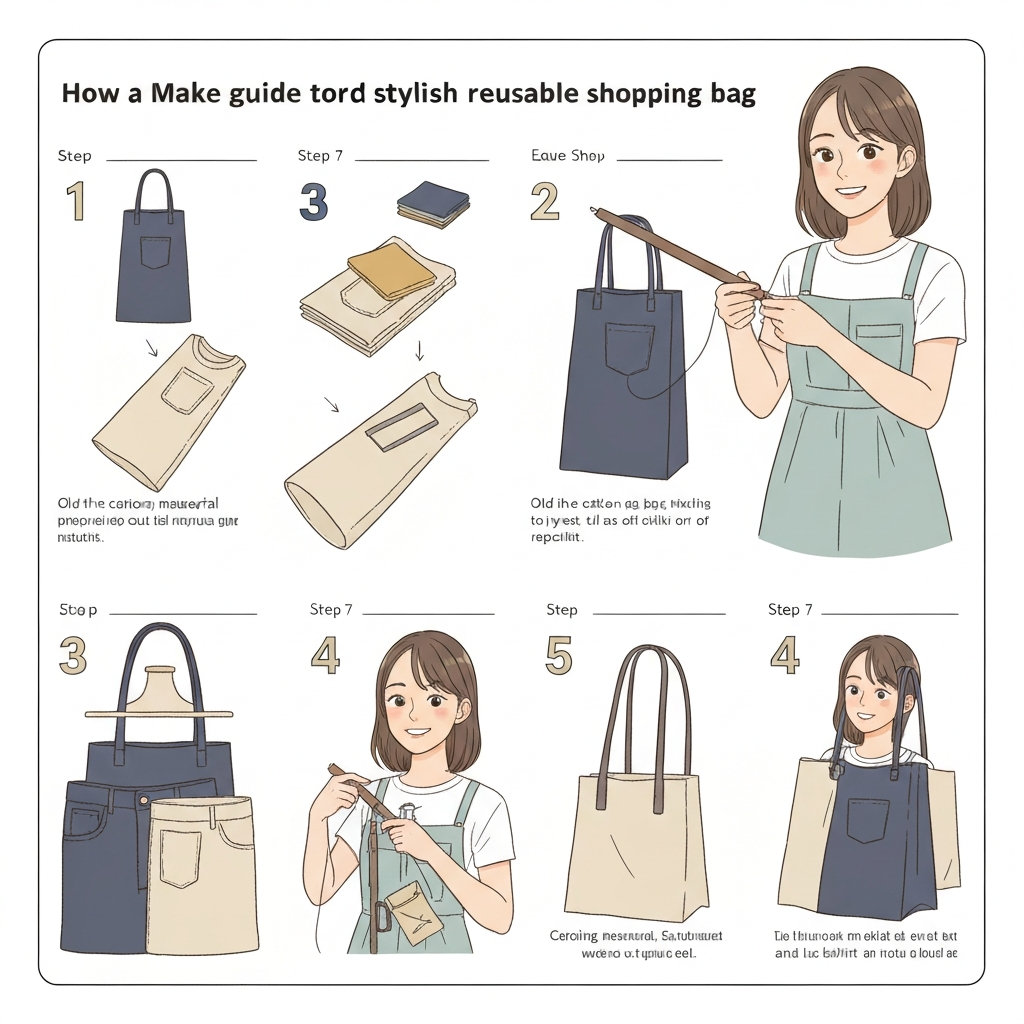
2. Step-by-Step Guide to Sewing a Simple Reusable Shopping Bag
Creating your first reusable shopping bag doesn't have to be intimidating. This step-by-step guide will walk you through the process of sewing a simple yet durable bag, perfect for beginners. With basic sewing skills and a few essential materials, you can have your very own eco-friendly shopping companion in no time. Let's get started!
- Step 1- Gather Your Supplies: You'll need approximately one yard of sturdy fabric (canvas, denim, or repurposed material), matching thread, scissors, a sewing machine (or needle and thread for hand sewing), pins, a ruler or measuring tape, and fabric markers or chalk. Pre-wash your fabric to prevent shrinkage after sewing.
- Step 2- Cut the Fabric: Cut two identical rectangles of fabric for the body of the bag. A standard size is around 16 inches wide by 18 inches tall, but you can adjust this to your preference. Also, cut two strips of fabric for the handles – approximately 4 inches wide by 24 inches long. Fold each handle strip in half lengthwise, iron, then fold the raw edges inward to meet at the center crease. Fold again along the original crease and sew along all edges to create a sturdy strap.
- Step 3- Assemble the Bag: With right sides together, pin the two body pieces along the sides and bottom. Sew along these three edges with a half-inch seam allowance. Reinforce the corners by backstitching. Turn the bag right side out and press the seams. Attach the handles by pinning them to the top edges of the bag, spacing them evenly. Sew the handles securely to the bag, reinforcing the stitches with an X-shaped pattern for extra strength. Hem the top edge of the bag by folding it down twice and sewing along the edge.
3. Advanced Techniques and Customization Options
Pro Tip- Add pockets! Sew interior or exterior pockets to your bag to keep small items like keys, wallets, or phones organized and easily accessible.
Once you've mastered the basic reusable shopping bag, it's time to explore more advanced techniques and customization options. Adding features like pockets, reinforced bottoms, and personalized designs can elevate your bags from simple utilitarian items to stylish and functional accessories. Experimenting with different fabrics, patterns, and embellishments allows you to create bags that truly reflect your personality and cater to your specific needs.
Consider adding a reinforced bottom to your bag for extra durability, especially if you plan on carrying heavy items. You can achieve this by inserting a piece of cardboard or plastic sheeting into the bottom of the bag and securing it with stitching. Another useful addition is creating interior dividers to separate groceries or prevent items from shifting around. For a more polished look, try using decorative stitching or adding embellishments like buttons, beads, or embroidery. Don't be afraid to experiment with different fabric combinations and patterns to create unique and eye-catching designs. Remember, the possibilities are endless when it comes to customizing your reusable shopping bags!
Beyond aesthetics, think about functionality. Consider adding a drawstring closure to keep items secure or creating a foldable bag that can be easily stored when not in use. You can also experiment with different handle lengths to find the most comfortable fit for your shoulder. By incorporating these advanced techniques and customization options, you can create reusable shopping bags that are not only eco-friendly but also perfectly tailored to your individual needs and style. Remember, every small effort counts toward reducing plastic waste and creating a more sustainable future.
Conclusion
Embracing DIY reusable shopping bags is a powerful step towards reducing our reliance on single-use plastics and promoting a more sustainable lifestyle. By creating our own bags, we not only minimize waste but also express our creativity and personalize our shopping experience. The process is empowering, allowing us to take control of our consumption habits and contribute to a healthier planet. Remember, every small change makes a difference, and choosing reusable bags over plastic is a simple yet impactful way to reduce our environmental footprint. Let's continue to explore creative solutions and inspire others to join the movement towards a plastic-free future.
The future of shopping is undoubtedly shifting towards sustainability, with reusable bags becoming increasingly commonplace. As consumers become more aware of the environmental impact of single-use plastics, the demand for eco-friendly alternatives will continue to grow. By embracing DIY reusable shopping bags, we are not only contributing to a positive change but also setting an example for future generations. Let's continue to innovate, experiment, and share our knowledge to create a more sustainable and responsible world.
❓ Frequently Asked Questions (FAQ)
What is the best type of fabric to use for a DIY reusable shopping bag?
The best type of fabric depends on your needs, but durable options like canvas, denim, and thick cotton are excellent choices. Canvas is strong and washable, while denim offers a rugged and stylish look. Repurposing old materials like jeans or curtains is also a great way to be eco-friendly. Ensure the fabric can withstand the weight you intend to carry and is easy to clean to maintain hygiene and extend the bag's lifespan. Consider the environmental impact of your fabric choice, opting for organic or recycled options when possible.
How do I clean my DIY reusable shopping bag?
Cleaning your reusable bag regularly is crucial to prevent the buildup of bacteria and foodborne illnesses. Most fabric bags can be machine washed in cold water with a mild detergent. For bags made from delicate materials, hand washing is recommended. Always check the care label of your fabric for specific instructions. To dry your bag, hang it in a well-ventilated area or use a low-heat setting in your dryer. Avoid using harsh chemicals or bleach, as they can damage the fabric and potentially contaminate your groceries. Regular cleaning will keep your bag fresh and hygienic.
Are DIY reusable shopping bags really more sustainable than plastic bags?
Yes, DIY reusable shopping bags are significantly more sustainable than single-use plastic bags. Plastic bags contribute to pollution, require fossil fuels for production, and often end up in landfills or oceans. Reusable bags, especially those made from recycled or repurposed materials, have a much lower environmental impact. While the initial production of a reusable bag may require more resources than a single plastic bag, the fact that it can be used hundreds or even thousands of times over its lifespan far outweighs the negative effects of constantly using and discarding plastic bags. By choosing reusable bags, you actively reduce your contribution to plastic waste and promote a more circular economy.
Tags: #ReusableBags #DIYProjects #ZeroWaste #EcoFriendly #SustainableLiving #PlasticFree #ReduceWaste
🔗 Recommended Reading
- Embracing the 80/20 Rule in Minimalist Living- Strategies for Optimizing Your Home and Lifestyle for Maximum Sustainability and Zero Waste
- Optimizing Lead Generation Forms Best Practices for Higher Conversions
- Ethical Considerations in AI Development Navigating Responsibility
- Saving Money with Energy Efficient Appliances Smart Home Solutions
- Creative Ways to Reuse and Repurpose Items for a Sustainable Home