📖 5 min read
The battle against single-use plastics is a critical one, and the cleaning aisle is often a major source of unnecessary waste. Every year, billions of plastic cleaning product bottles end up in landfills, contributing to pollution and harming our planet. But what if you could eliminate this waste altogether? Creating your own DIY cleaning product refill station is a simple yet impactful way to reduce your household trash, save money, and take control of the ingredients you bring into your home. This guide provides you with everything you need to set up a practical and effective refill station, transitioning to a more sustainable and eco-conscious lifestyle. It's time to ditch the plastic and embrace the power of homemade cleaning solutions!
1. Why Build a DIY Cleaning Product Refill Station?
The primary reason for building a DIY cleaning product refill station is to drastically reduce your consumption of single-use plastic. The sheer volume of plastic waste generated by cleaning products is staggering, and recycling efforts often fall short, with a significant portion ending up in landfills or polluting our oceans. By switching to refillable containers and homemade cleaning solutions, you're actively diverting waste from these harmful destinations.
Beyond the environmental benefits, a DIY refill station can also save you money. Many commercial cleaning products contain a large percentage of water and are marked up significantly. By making your own solutions from simple, inexpensive ingredients like vinegar, baking soda, and essential oils, you can dramatically lower your cleaning supply costs. For example, a gallon of distilled white vinegar costs only a few dollars, yet it can be used to create multiple batches of all-purpose cleaner.
Finally, creating your own cleaning products allows you to control the ingredients you're using in your home. Commercial cleaning products often contain harsh chemicals and synthetic fragrances that can be harmful to your health and the environment. By making your own, you can avoid these potentially harmful substances and opt for natural, plant-based ingredients that are safer for your family and pets. This gives you peace of mind knowing exactly what you're using to clean your home.
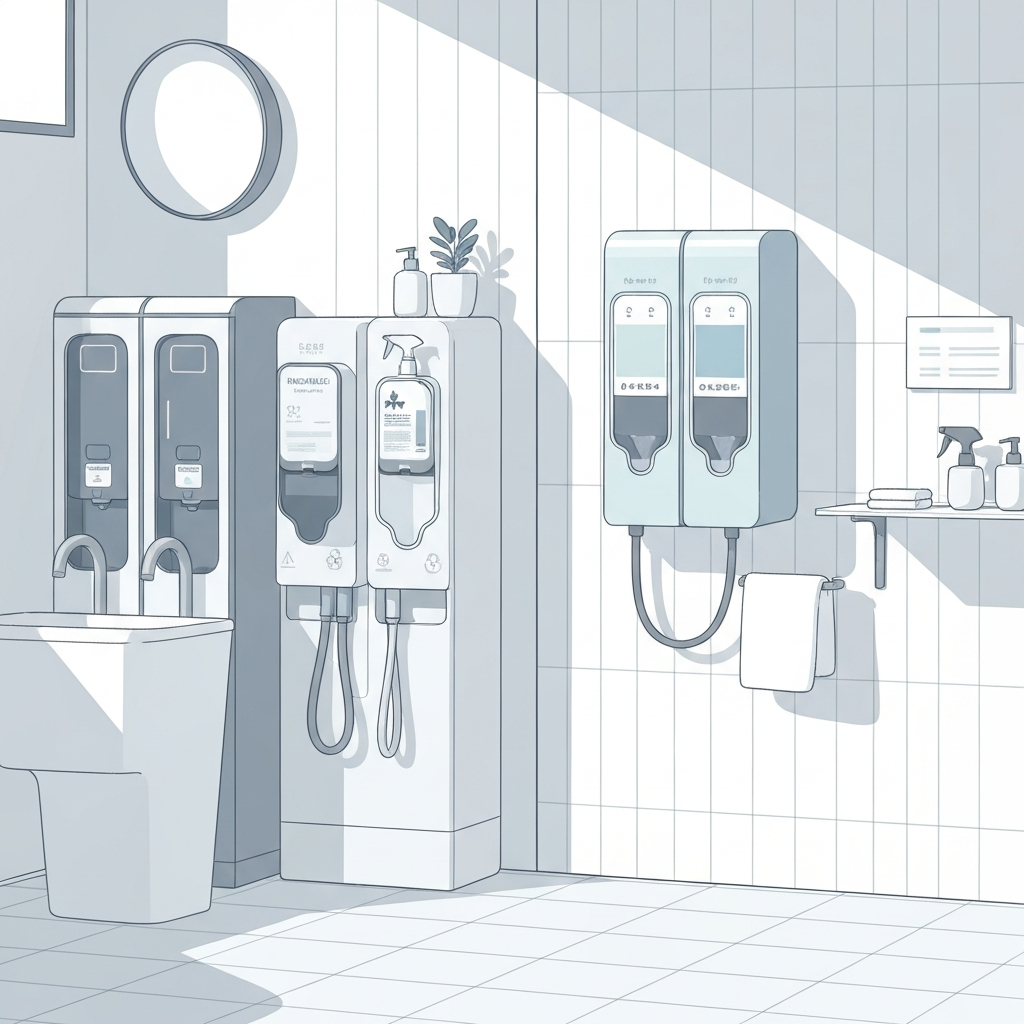
2. Setting Up Your Refill Station: Essential Steps
Creating a functional and aesthetically pleasing refill station involves careful planning and preparation. The following steps will guide you through the process:
- Choosing the Right Location: Select a location that is easily accessible and convenient for your cleaning routine. A utility closet, pantry shelf, or even a dedicated corner in your laundry room can work well. Ensure the area is dry and free from extreme temperature fluctuations, which can affect the quality of your ingredients. Consider the proximity to water sources for easier mixing and refilling.
- Selecting Refillable Containers: Invest in a set of durable, refillable containers. Glass bottles with spray nozzles or pump dispensers are ideal for liquid cleaners. Mason jars or airtight containers work well for powdered ingredients like baking soda or borax. Label each container clearly with the name of the cleaning product and its ingredients. This prevents accidental misuse and ensures everyone in the household knows what they're using. Consider using chalkboard labels or waterproof stickers for easy updates.
- Stocking Up on Essential Ingredients: Gather the basic ingredients you'll need to make your cleaning solutions. These typically include distilled white vinegar, baking soda, castile soap, washing soda, borax, essential oils (such as lemon, tea tree, and lavender), and distilled water. Purchase these ingredients in bulk whenever possible to further reduce packaging waste. Store them in airtight containers to maintain their freshness and effectiveness. Keep a small measuring cup and spoons handy for accurate mixing.
3. DIY Cleaning Recipes and Refill Strategies
Pro Tip: Create a master recipe list and attach it to the inside of your refill station cabinet. This ensures that you always have the correct proportions on hand and simplifies the refill process.
Once your refill station is set up, it's time to start making your own cleaning products. There are countless recipes available online, but here are a few simple and effective options to get you started. Remember to always test new solutions in an inconspicuous area before applying them to larger surfaces.
For an all-purpose cleaner, mix equal parts distilled white vinegar and water in a spray bottle. Add a few drops of your favorite essential oil for a pleasant scent. This cleaner is effective for cleaning countertops, floors, and other surfaces. For a stronger cleaner, you can increase the proportion of vinegar to water. Alternatively, for a dish soap, you can mix one part castile soap with ten parts water and add a few drops of lemon essential oil.
To refill your station sustainably, consider joining a local co-op or bulk buying group. These organizations often offer discounts on bulk ingredients and packaging-free options. Alternatively, look for stores that offer refill programs for cleaning products. Bring your empty containers to the store and refill them with your desired products, paying only for the contents. This is a convenient way to reduce your plastic consumption without having to make your own solutions from scratch.
Conclusion
Creating a DIY cleaning product refill station is a practical and rewarding step towards a more sustainable lifestyle. By reducing your reliance on single-use plastic bottles and embracing homemade cleaning solutions, you're not only minimizing your environmental impact but also saving money and controlling the ingredients you bring into your home. It is a powerful way to take responsibility for your consumption habits.
As more people become aware of the environmental consequences of single-use plastics, the demand for sustainable alternatives will continue to grow. From innovative packaging solutions to expanded refill programs, the future of cleaning products is undoubtedly greener. By embracing DIY refill stations, you're not just participating in a trend; you're contributing to a more sustainable and responsible future for all.
❓ Frequently Asked Questions (FAQ)
What essential oils are best for cleaning, and what are their benefits?
Several essential oils possess potent antimicrobial and antiseptic properties, making them ideal for cleaning. Lemon essential oil is a popular choice for its degreasing and disinfecting abilities, and it also leaves a fresh, citrusy scent. Tea tree oil is another powerful option, known for its antibacterial and antifungal properties, and is particularly effective for cleaning bathrooms and kitchens. Lavender essential oil is a gentler choice, offering a pleasant, calming aroma while still providing some antimicrobial benefits, making it suitable for general cleaning and adding to laundry detergents.
Are homemade cleaning products as effective as commercial cleaners?
While some heavy-duty cleaning tasks may require specialized commercial products, many everyday cleaning needs can be effectively addressed with homemade solutions. Ingredients like vinegar, baking soda, and castile soap possess natural cleaning properties that can tackle grime, grease, and bacteria. For instance, vinegar's acidity makes it an excellent disinfectant and descaler, while baking soda acts as a gentle abrasive and deodorizer. The key is to use the right recipe for the specific task and to adjust the concentrations as needed based on the level of dirt or grime. For tougher cleaning jobs, consider adding washing soda or borax to your homemade solutions.
How do I safely store and label my homemade cleaning products?
Proper storage and labeling are crucial for safety and to prevent accidental misuse of your homemade cleaning products. Always store your solutions in clearly labeled containers, indicating the name of the product and its ingredients. Keep them out of reach of children and pets, preferably in a locked cabinet or on a high shelf. Avoid storing homemade cleaners in containers that previously held commercial cleaning products, as chemical reactions could occur. It is also important to note the date when the cleaning product was made, because these solutions sometimes have a shorter shelf life than store bought solutions.
Tags: #ZeroWaste #DIYCleaning #RefillStation #PlasticFree #EcoFriendly #SustainableLiving #CleaningTips