📖 5 min read
We've all been there - standing in the produce aisle, dutifully bagging our apples, carrots, and spinach in thin, flimsy plastic bags. While seemingly innocuous, these single-use plastics contribute significantly to landfill waste and environmental pollution. They often end up in our oceans, harming marine life and ecosystems. The good news is that ditching plastic produce bags is a simple yet impactful change you can make today. This article will guide you through practical alternatives and strategies to reduce your reliance on these unnecessary plastics, paving the way for a more sustainable and waste-free lifestyle. Taking small, consistent steps towards zero waste, like eliminating plastic produce bags, collectively makes a significant difference for our planet. Let's explore how to shop greener and protect our environment, one piece of produce at a time.
1. The Problem with Plastic Produce Bags
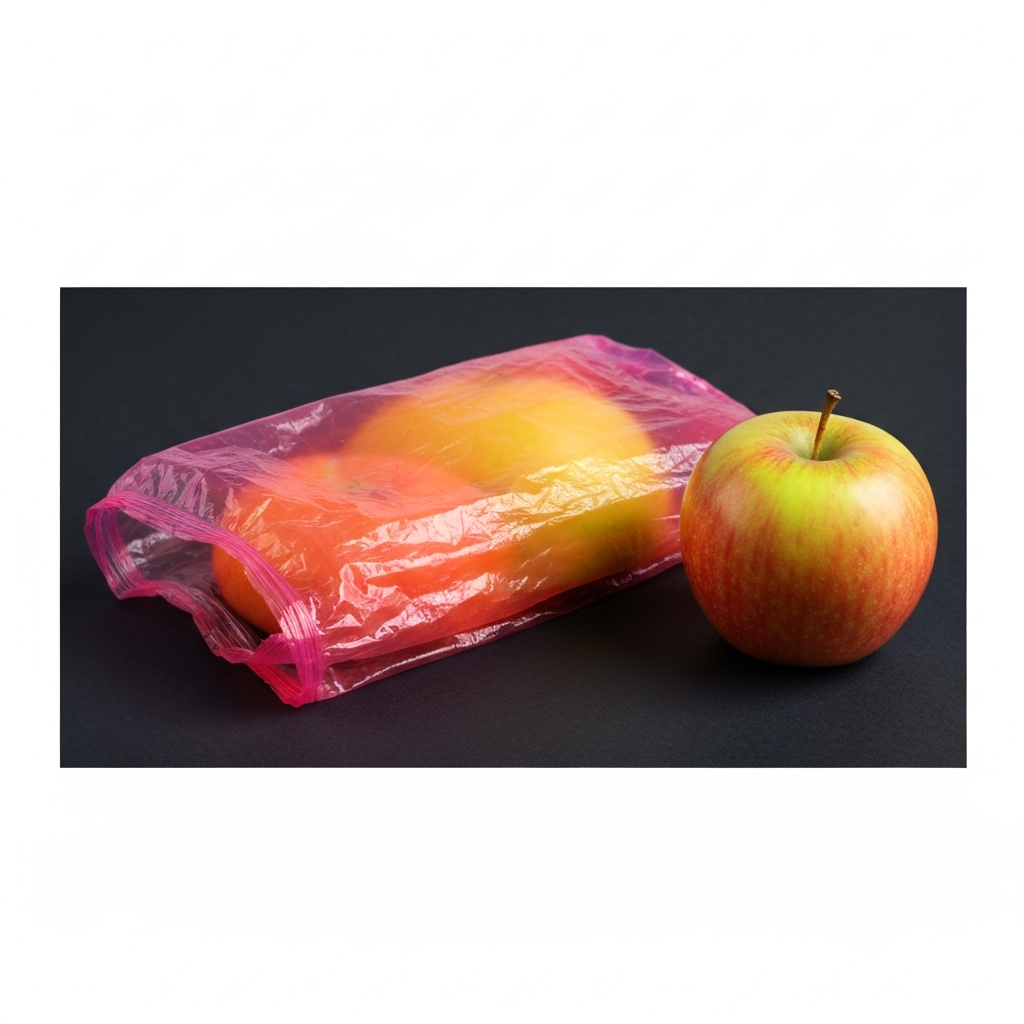
Plastic produce bags are a prime example of single-use plastics – items designed for immediate disposal after only one use. Their convenience masks a significant environmental burden. These bags are rarely recycled, and even when they are, the recycling process is often energy-intensive and not always effective. The vast majority of these bags end up in landfills, where they can take hundreds of years to decompose, leaching harmful chemicals into the soil and water. Furthermore, plastic produce bags contribute to plastic pollution in our oceans, where they can entangle marine animals and break down into microplastics, which enter the food chain.
The environmental impact of plastic produce bags extends beyond their disposal. The production of these bags requires fossil fuels, contributing to greenhouse gas emissions and climate change. The transportation of these bags also adds to the carbon footprint. Consider the sheer volume of produce bags used globally every day, and the cumulative effect on our planet becomes staggering. Reducing our reliance on these bags is not just about minimizing waste; it's about addressing a significant source of pollution and resource depletion.
The throwaway culture perpetuated by single-use plastics like produce bags also normalizes wastefulness. By actively seeking alternatives and consciously reducing our consumption, we challenge this culture and promote a more sustainable mindset. Choosing to bring our own reusable bags sends a powerful message and inspires others to adopt similar habits. This shift in behavior is crucial for creating a more environmentally responsible society. Reducing plastic bag use also helps reduce the need for more landfills, which helps save the land and other resources we use to maintain them.
2. Reusable Alternatives for Produce
Fortunately, there are numerous readily available and effective alternatives to plastic produce bags. Switching to reusable options is a simple and cost-effective way to significantly reduce your plastic consumption and contribute to a more sustainable lifestyle. These alternatives are often more durable, aesthetically pleasing, and convenient in the long run.
- Mesh Produce Bags: These lightweight, breathable bags are perfect for a wide variety of fruits and vegetables. They allow air circulation, which can help keep produce fresh for longer. Mesh bags are also easy to wash and dry, making them a hygienic and reusable option. They come in various sizes and materials, including organic cotton and recycled polyester. When selecting mesh bags, look for durable construction and reinforced seams to ensure longevity.
- Cotton Muslin Bags: Muslin bags are another excellent choice for produce storage. They are soft, gentle on delicate fruits and vegetables, and can be used for storing items like berries, grapes, and leafy greens. Muslin bags are also absorbent, which helps to wick away excess moisture and prevent spoilage. They are typically made from unbleached cotton, making them a natural and biodegradable option. Remember to wash them regularly to maintain their cleanliness and prevent the growth of bacteria.
- No Bag At All: For larger items like watermelons, pumpkins, and bundles of bananas, skipping the bag altogether is often the best option. Many fruits and vegetables have a natural protective skin or peel that keeps them clean and safe. Simply place these items directly into your shopping cart and wash them thoroughly when you get home. This simple act can significantly reduce your plastic consumption without any additional cost or effort. Consider that most produce is washed before being displayed in the store anyway.
3. Practical Tips and Strategies
Pro Tip: Keep a set of reusable produce bags in your car or reusable shopping bags, so you always have them on hand when you go grocery shopping. This simple habit will prevent you from resorting to plastic bags out of convenience.
Adopting a plastic-free approach to produce shopping requires a bit of planning and preparation. It's helpful to create a system that works for you and integrates seamlessly into your daily routine. Start by making a conscious decision to avoid plastic produce bags whenever possible. Remind yourself of the environmental impact and the benefits of using reusable alternatives. Over time, this will become a natural and automatic habit.
Before heading to the grocery store, take a few minutes to gather your reusable produce bags and place them in a convenient location, such as your reusable shopping bags or in the car. This will ensure that you don't forget them when you're out shopping. If you do happen to forget your bags, consider purchasing a new set to keep in your car for future trips. Another strategy is to consolidate your produce into fewer bags. For example, you can place multiple types of vegetables, such as carrots, celery, and peppers, into a single bag. This will reduce the overall number of bags you use.
Communicate your preferences to the cashier when you check out. Politely inform them that you don't need plastic produce bags and that you're using your own reusable alternatives. This will help to raise awareness and encourage others to adopt similar habits. Also, consider shopping at farmers' markets or local produce stands, where produce is often sold loose and without any packaging. This can be a great way to support local farmers and reduce your environmental impact. By consistently implementing these strategies, you can significantly reduce your reliance on plastic produce bags and contribute to a more sustainable future.
Conclusion
Ditching plastic produce bags is a simple yet powerful step towards reducing our environmental impact and embracing a more sustainable lifestyle. By consciously choosing reusable alternatives and adopting practical strategies, we can significantly minimize our reliance on single-use plastics and contribute to a cleaner, healthier planet. The transition may require a bit of planning and preparation, but the long-term benefits for our environment and future generations are well worth the effort. Embracing this change sends a clear message that we value sustainability and are committed to protecting our planet.
The movement towards reducing plastic waste is gaining momentum, with more and more people recognizing the urgent need for change. As consumers, we have the power to drive demand for sustainable products and practices. By supporting companies that prioritize environmental responsibility and advocating for policies that reduce plastic consumption, we can collectively create a more sustainable future. Let's continue to explore innovative solutions and embrace mindful consumption habits to build a world where plastic pollution is minimized and our planet thrives.
❓ Frequently Asked Questions (FAQ)
Are reusable produce bags sanitary?
Yes, reusable produce bags can be sanitary as long as they are cleaned regularly. It is recommended to wash them after each use, especially if they have come into contact with raw produce or potentially contaminated surfaces. You can wash them in the washing machine on a gentle cycle or hand wash them with soap and water. Make sure to dry them thoroughly before storing them to prevent the growth of bacteria or mold.
What if the store requires produce to be bagged for weighing?
If the store requires produce to be bagged for weighing, you can still use your reusable bags. Simply weigh the produce in your reusable bag and then remove the produce from the bag before placing it in your cart. Alternatively, you can ask the cashier to weigh the produce directly on the scale without using any bag. Many stores are accommodating to customers who are trying to reduce their plastic consumption. You can also look for stores that pre-weigh produce and then put a sticker on them, allowing you to skip the bagging step altogether.
Where can I buy reusable produce bags?
Reusable produce bags are widely available online and in many stores. You can find them at grocery stores, health food stores, and online retailers. Look for bags made from sustainable materials like organic cotton, recycled polyester, or mesh. You can also make your own reusable produce bags using scrap fabric or old clothing. There are many tutorials available online that provide step-by-step instructions. Making your own bags is a great way to repurpose materials and reduce waste. Another alternative is asking the store staff to wrap the produce in butcher paper instead of plastic bags.
Tags: #ZeroWaste #PlasticFree #SustainableLiving #ReducePlastic #ReusableBags #EcoFriendly #GoGreen