📖 5 min read
Are you tired of seeing your kitchen scraps end up in the landfill? Do you want to enrich your garden soil naturally and reduce your household waste footprint? Composting is the answer! It's a simple yet powerful process that transforms organic waste into valuable humus, also known as 'black gold,' a nutrient-rich soil amendment that benefits your plants and the planet. This guide will walk you through everything you need to know to start composting at home, even if you've never done it before. Get ready to embark on a rewarding journey toward a more sustainable and eco-friendly lifestyle, one compost pile at a time, by effectively managing your household's organic waste.
1. Understanding the Basics of Composting
Composting, at its core, is the natural process of decomposition. Microorganisms, such as bacteria and fungi, break down organic matter into a dark, crumbly substance called compost. This process occurs naturally in forests and fields, and we can replicate it in our backyards or even indoors. The key to successful composting is maintaining the right balance of ingredients, moisture, and aeration. Understanding the science behind composting helps you optimize the process and avoid common pitfalls, ensuring a steady supply of nutrient-rich compost for your garden.
Think of your compost pile as a living ecosystem. It needs both "greens" and "browns" to thrive. Greens are nitrogen-rich materials like kitchen scraps (vegetable peels, coffee grounds, fruit rinds) and fresh grass clippings. Browns are carbon-rich materials like dried leaves, shredded paper, cardboard, and twigs. A good rule of thumb is to aim for a 2-to-1 or 3-to-1 ratio of browns to greens. For example, if you add one bucket of kitchen scraps (greens), you should add two to three buckets of dried leaves (browns). This balance provides the microorganisms with the food and energy they need to do their work, and it also helps to regulate moisture levels and prevent odors. If you have too many greens, your compost may become soggy and smelly. If you have too many browns, it may decompose too slowly.
Composting is not only beneficial for your garden, it also significantly reduces your household waste. Food scraps and yard waste make up a substantial portion of what ends up in landfills. By composting these materials, you can divert them from landfills, where they decompose anaerobically (without oxygen) and produce methane, a potent greenhouse gas. Composting also reduces the need for synthetic fertilizers, which are often made from fossil fuels and can pollute waterways. When you use compost in your garden, you're providing your plants with a natural source of nutrients and improving soil structure, water retention, and drainage. Ultimately, composting is a win-win for your garden, your wallet, and the environment.
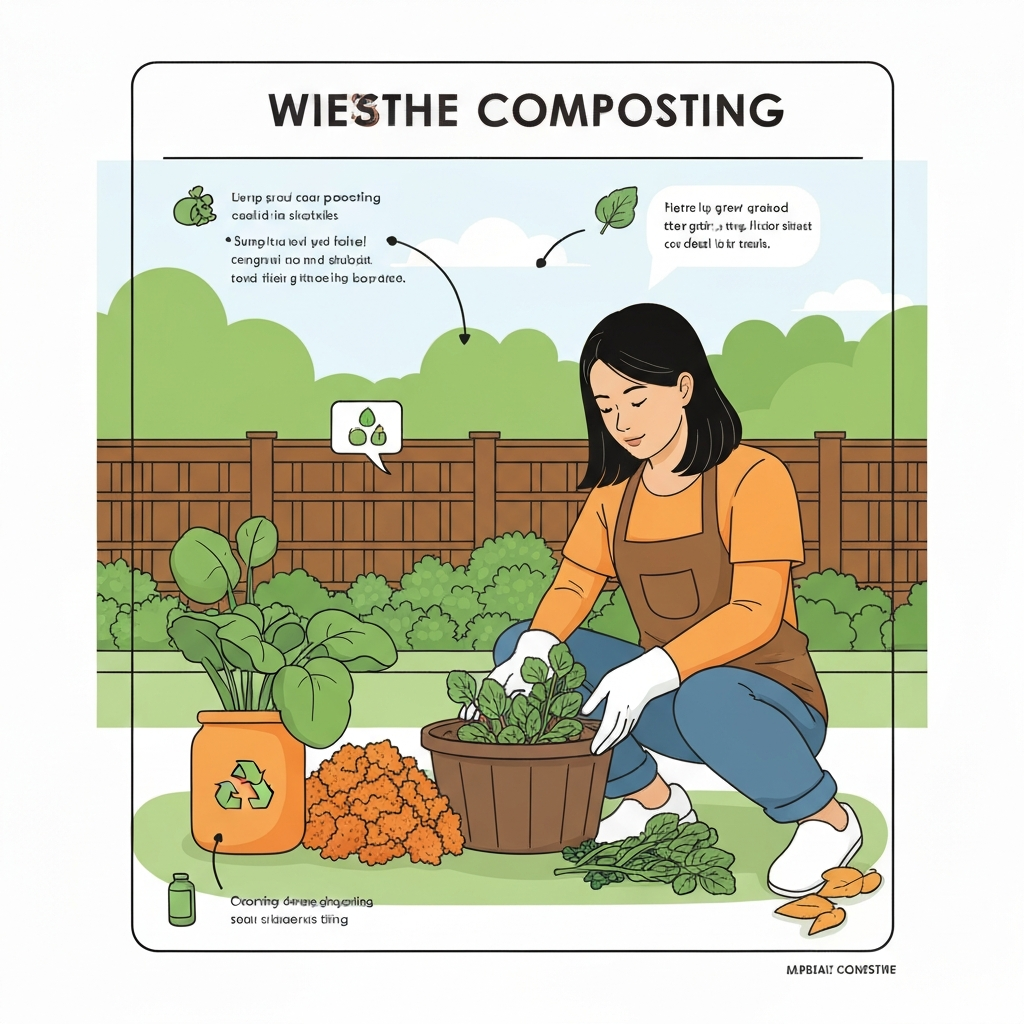
2. Choosing the Right Composting Method for You
There are several composting methods to choose from, each with its own advantages and disadvantages. The best method for you will depend on your space, lifestyle, and the amount of waste you generate.
- Backyard Composting: This is the most common method, involving a compost bin or pile in your backyard. It's ideal for those with a garden and space to spare. You can build your own compost bin from wood pallets or purchase a commercially made one. Backyard composting allows you to process a large volume of waste, but it requires some maintenance, such as turning the pile regularly to aerate it. Proper placement, away from standing water and close enough to a water source to moisten the pile, is key to success.
- Vermicomposting (Worm Composting): This method uses worms to break down organic waste. It's perfect for apartment dwellers or those with limited outdoor space. Worm bins are compact and can be kept indoors or on a balcony. Vermicomposting is relatively low-maintenance, but it requires a bit more attention to detail than backyard composting. You'll need to provide the worms with the right food and bedding and keep the bin at the proper temperature and moisture level. Red wiggler worms are the best choice for vermicomposting, as they are voracious eaters and thrive in confined spaces.
- Bokashi Composting: This is an anaerobic (without oxygen) composting method that uses a special bran inoculated with beneficial microbes to ferment food waste. It's particularly useful for composting meat, dairy, and other food scraps that are not suitable for traditional composting. Bokashi composting involves layering food waste with the bran in an airtight container. Once the container is full, it's sealed and allowed to ferment for a couple of weeks. The fermented waste is then buried in the ground or added to a compost pile to decompose further. Bokashi composting is a great option for those who want to compost all types of food waste and who have limited space.
3. Troubleshooting Common Composting Problems
Pro Tip: Avoid composting meat, dairy, oily foods, and diseased plants, as these can attract pests, create odors, or spread diseases.
Even with the best intentions, composting can sometimes present challenges. Common problems include slow decomposition, unpleasant odors, and pest infestations. Understanding how to troubleshoot these issues can help you maintain a healthy and productive compost pile. The most important thing is to identify the root cause of the problem and take corrective action promptly.
Slow decomposition is often caused by a lack of moisture, aeration, or the right balance of greens and browns. If your compost pile is dry, add water until it's as moist as a wrung-out sponge. If it's compacted, turn it regularly to aerate it. If it's lacking in nitrogen, add more greens. Foul odors are usually a sign of anaerobic conditions, meaning there's not enough oxygen. Turn the pile to aerate it, and avoid adding too much wet, nitrogen-rich material at once. Adding a layer of browns on top can also help to absorb excess moisture and reduce odors. Pest infestations, such as flies or rodents, can be prevented by burying food scraps deep in the pile and avoiding composting meat, dairy, and oily foods. Using a compost bin with a lid can also help to keep pests out.
Preventative maintenance is key to avoiding many of these composting issues. Regularly monitor the moisture level, aeration, and temperature of your compost pile. Keep a good balance of greens and browns, and avoid adding problematic materials. By paying attention to these factors, you can create a thriving compost ecosystem that efficiently breaks down organic waste and produces high-quality compost for your garden. Consistent management of your compost pile, even a few minutes each week, will yield noticeable improvements over time, both in the quality of the compost and in the reduction of unwanted smells or pests.
🔗 Recommended Reading
Conclusion
Composting is a rewarding and sustainable practice that offers numerous benefits for your garden, your wallet, and the environment. By turning your kitchen scraps and yard waste into nutrient-rich compost, you can reduce your household waste, improve your soil health, and contribute to a more sustainable future. It's a simple yet powerful way to make a positive impact on the planet, one compost pile at a time. The process not only diverts waste from landfills but also creates a valuable resource that enhances plant growth and reduces the need for chemical fertilizers.
As more people become aware of the environmental benefits of composting, it's likely to become an even more widespread practice. Innovative composting technologies and community composting programs are making it easier than ever for individuals and businesses to participate. Embrace the journey, experiment with different methods, and enjoy the satisfaction of creating your own "black gold" to nourish your garden and reduce your impact on the planet. The shift towards circular economy principles also reinforces the importance of composting as a means of closing the loop on organic waste.
❓ Frequently Asked Questions (FAQ)
What items should I definitely NOT compost?
Avoid composting meat, dairy, oily foods, and diseased plants. These materials can attract pests, create unpleasant odors, and potentially spread diseases to your plants. Citrus peels in large quantities can also disrupt the composting process due to their acidity, though small amounts are generally fine. Pet waste should also never be composted in a home garden system, as it can contain harmful pathogens that are not eliminated by typical composting temperatures, posing a health risk if the compost is used on edible plants.
How long does it take to get usable compost?
The composting time varies depending on the method and the materials used. With active composting (regular turning and proper ratios), you can get usable compost in as little as 3-6 months. Passive composting, where you simply let the materials decompose on their own, can take 6-12 months or longer. Vermicomposting generally produces compost faster, often in 1-3 months. Factors like temperature, moisture levels, and the size of the materials also affect the decomposition rate. Smaller particles break down faster than larger ones.
How do I know when the compost is ready to use?
Ready-to-use compost will be dark brown or black in color and have a crumbly texture. It should have an earthy smell, not a foul odor. You shouldn't be able to recognize the original materials that went into the compost pile. To test its readiness, try a simple germination test: plant some seeds in a sample of the compost and observe their growth. If the seeds germinate and grow healthily, the compost is ready to use. If the seeds fail to germinate or the seedlings look unhealthy, the compost may not be fully decomposed or may contain imbalances.
Tags: #Composting #ZeroWaste #SustainableLiving #Gardening #EcoFriendly #ReduceWaste #HomeComposting