📖 5 min read
Composting, often associated with sprawling gardens and rural landscapes, might seem out of reach for urban dwellers. However, the reality is that composting is not only feasible in cities but also incredibly beneficial. It's a potent tool for reducing household waste, lessening our reliance on landfills, and nurturing healthier urban environments. This comprehensive guide breaks down the essentials of urban composting, providing practical strategies and methods that can be seamlessly integrated into city living, regardless of space limitations or prior experience. By transforming food scraps and organic waste into valuable compost, you contribute to a more sustainable lifestyle and unlock the potential to nourish your plants, support local gardens, or simply minimize your environmental footprint.
1. Understanding Urban Composting Methods
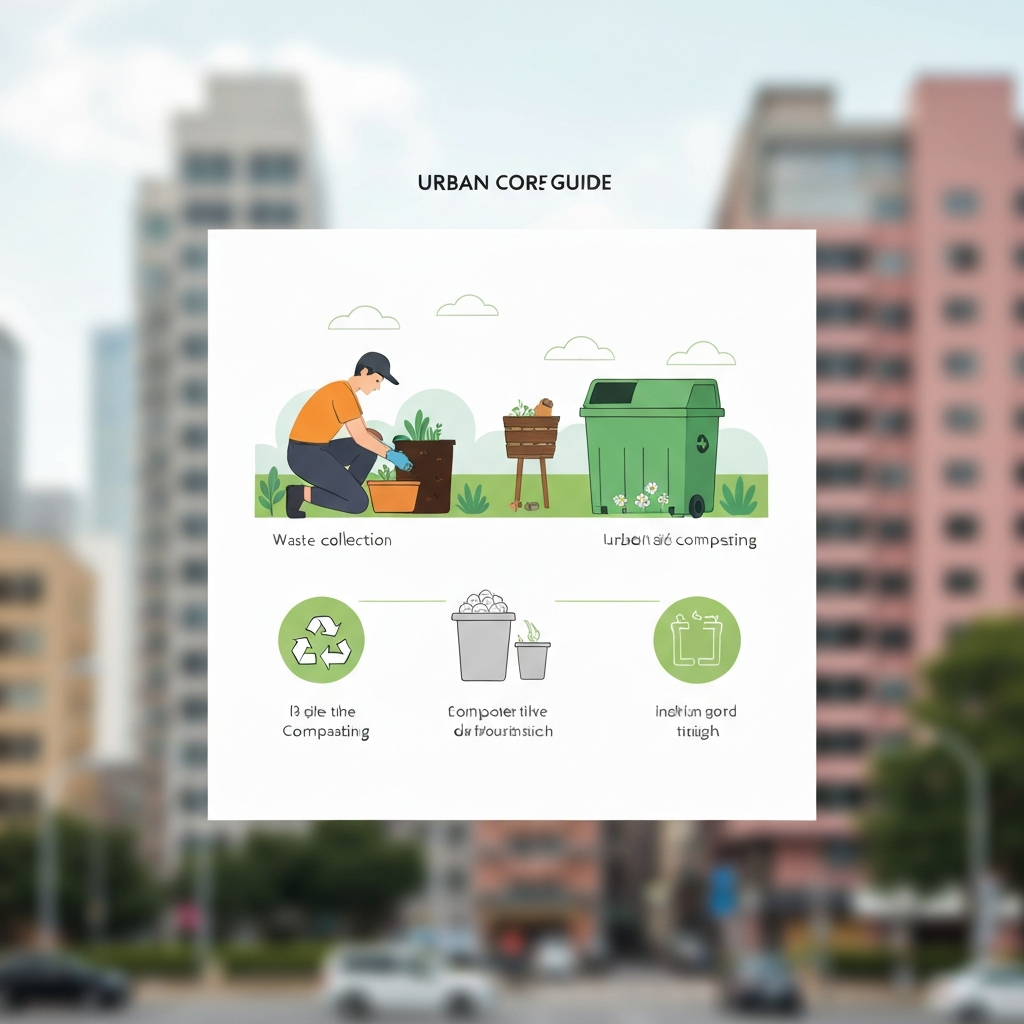
Urban composting encompasses a variety of methods tailored to the unique constraints and opportunities of city living. Unlike traditional backyard composting, which often involves large piles and ample space, urban composting techniques prioritize space efficiency, odor control, and ease of use. These methods range from simple countertop compost bins to more elaborate vermicomposting systems, each offering a unique set of advantages and considerations. The key is to select a method that aligns with your living space, waste generation habits, and desired level of involvement.
One popular option is countertop composting, which utilizes small, enclosed bins designed to minimize odors and attract pests. These bins typically employ carbon filters or other mechanisms to control decomposition and are ideal for apartments or small living spaces. Another method, vermicomposting, involves using worms to break down organic matter, resulting in nutrient-rich castings that are highly beneficial for plant growth. Vermicomposting systems can be compact and relatively low-maintenance, making them suitable for indoor use. Alternatively, Bokashi composting utilizes inoculated bran to ferment food waste, allowing for the composting of a wider range of materials, including meat and dairy, which are typically avoided in other composting methods. This fermented material can then be further composted in a traditional compost bin or buried directly in the soil.
Ultimately, the best urban composting method depends on individual circumstances and preferences. Consider the amount of space available, the types of waste generated, and the desired level of involvement in the composting process. Experimentation is key to finding the method that works best for you. No matter which method you choose, urban composting is a tangible way to reduce your environmental impact and contribute to a more sustainable urban ecosystem.
2. Practical Tips for Successful Urban Composting
Regardless of the chosen method, successful urban composting hinges on a few key practices. From proper waste management to maintaining optimal conditions, these tips will help you navigate the challenges and maximize the benefits of composting in an urban setting. By implementing these strategies, you can ensure a smooth and effective composting process, transforming food scraps into valuable compost while minimizing odors and pests.
- Choosing the Right Location: The location of your compost bin or system plays a crucial role in its success. For countertop bins, select a cool, dry spot away from direct sunlight. Vermicomposting systems should be kept in a shaded area with good ventilation. If you have access to a balcony or small outdoor space, consider a larger compost bin or tumbler. Proper placement ensures optimal decomposition and minimizes potential nuisances.
- Maintaining the Right Balance: Composting requires a balance of "greens" (nitrogen-rich materials like food scraps and grass clippings) and "browns" (carbon-rich materials like dried leaves, shredded paper, and cardboard). A general rule of thumb is to use a ratio of 2:1 or 3:1 browns to greens. This balance provides the necessary nutrients and aeration for decomposition. Too much green material can lead to foul odors, while too much brown material can slow down the process.
- Managing Moisture Levels: Moisture is essential for composting, but too much or too little can hinder the process. The ideal moisture level is similar to a wrung-out sponge. If the compost is too dry, add water. If it's too wet, add more brown materials to absorb excess moisture. Regular monitoring and adjustment of moisture levels are crucial for maintaining a healthy compost pile.
3. Troubleshooting Common Urban Composting Challenges
Pro Tip: Add a layer of shredded newspaper or cardboard to the bottom of your compost bin to absorb excess moisture and prevent odors.
Even with the best practices, urban composting can present its own set of challenges. From unpleasant odors to fruit flies, these issues can be frustrating and discouraging. However, with the right troubleshooting strategies, these challenges can be easily addressed, ensuring a smooth and successful composting experience. Understanding the root causes of these problems is the first step in finding effective solutions.
One common challenge is foul odors, which often arise from an imbalance of greens and browns or inadequate aeration. To address this, add more brown materials to the compost bin and ensure proper ventilation by turning the pile regularly. Another frequent issue is the presence of fruit flies, which are attracted to decaying food scraps. To prevent fruit flies, bury food scraps deep within the compost pile and cover them with a layer of brown materials. You can also use a fruit fly trap or apply diatomaceous earth around the bin to control infestations. Slow decomposition can also be an issue. To speed up the process, ensure that the compost pile is adequately moist and aerated, and consider adding a compost starter to introduce beneficial microorganisms.
By proactively addressing these challenges, you can maintain a healthy and odor-free compost system. Remember that composting is a dynamic process that requires observation and adjustment. Don't be afraid to experiment with different techniques and solutions to find what works best for you. With patience and persistence, you can overcome common composting hurdles and reap the numerous benefits of this sustainable practice. Through composting, you are actively contributing to a greener and healthier urban environment.
🔗 Recommended Reading
Conclusion
Urban composting represents a powerful and accessible tool for reducing waste and fostering sustainability within our cities. By embracing composting, urban dwellers can actively participate in creating a more circular economy, diverting valuable resources from landfills and transforming them into nutrient-rich soil amendments. This not only reduces our environmental impact but also enriches our communities and connects us with the natural world. The collective effort of urban composters can significantly contribute to a greener, healthier, and more sustainable urban landscape.
As urban populations continue to grow, the need for sustainable waste management solutions becomes increasingly critical. Urban composting offers a readily available and impactful solution, empowering individuals to take responsibility for their waste and contribute to a more sustainable future. By embracing innovative composting technologies, expanding community composting programs, and raising awareness about the benefits of composting, we can further unlock the potential of urban composting to transform our cities into models of sustainability.
❓ Frequently Asked Questions (FAQ)
What materials should I avoid putting in my compost bin?
Certain materials can disrupt the composting process or attract pests. Generally, avoid adding meat, dairy, oily foods, and processed foods to your compost bin unless you are using Bokashi composting. These materials can cause unpleasant odors and attract rodents. Also, avoid adding diseased plants, as these can spread pathogens to your compost and potentially contaminate your garden. Finally, pet waste should never be composted due to the risk of harmful bacteria and parasites.
How do I know when my compost is ready to use?
Finished compost should have a dark, crumbly texture and a rich, earthy smell. It should no longer resemble the original materials that were added to the compost bin. The volume of the compost will also have significantly reduced. To test its readiness, you can perform a simple germination test by planting a few seeds in the compost. If the seeds germinate and grow healthily, the compost is ready to use in your garden or for your plants.
What can I do with my finished compost?
Finished compost is a valuable resource that can be used in a variety of ways. You can use it as a soil amendment in your garden to improve soil structure, fertility, and water retention. It can also be used as a top dressing for lawns and flower beds to provide essential nutrients. Compost is excellent for potting plants. You can also donate your compost to community gardens or share it with neighbors who have gardens. Any effort you put in the composting process will be rewarded.
Tags: #UrbanComposting #ZeroWaste #SustainableLiving #CompostTips #EcoFriendly #ReduceWaste #CityComposting