📖 5 min read
In a world drowning in single-use plastics and overflowing landfills, the call for sustainable living is louder than ever. One of the most impactful changes you can make in your daily life is embracing bulk buying. It's a straightforward yet effective strategy for reducing household waste, minimizing your reliance on single-use packaging, and often saving money in the long run. But where do you even begin? This comprehensive guide will walk you through everything you need to know to confidently start your bulk-buying journey, helping you transform your home into a haven of sustainability and significantly lessen your environmental impact.
1. Understanding the Basics of Bulk Buying
Bulk buying, at its core, is the practice of purchasing goods in large quantities, typically without individual packaging. This approach drastically reduces the amount of waste generated compared to buying items in smaller, individually wrapped portions. Think about the difference between buying a single yogurt cup every day versus buying a large tub of plain yogurt and portioning it out yourself. The latter eliminates multiple plastic cups going into the trash.
The benefits extend beyond just waste reduction. Bulk buying often translates to cost savings, as you're typically paying less per unit when purchasing in larger quantities. Furthermore, it can reduce the frequency of shopping trips, saving you time and fuel. However, it's crucial to consider your consumption habits and storage space before diving in headfirst. Buying too much of a perishable item that ends up spoiling is not only wasteful but also defeats the purpose of saving money.
To make bulk buying work for you, start small and focus on items you consistently use and know you'll consume before they expire. Pantry staples like rice, beans, oats, flour, and pasta are excellent starting points. Consider non-food items like laundry detergent, dish soap, and even toiletries. Gradually expand your bulk buying repertoire as you become more comfortable with the process and gain a better understanding of your household's needs and consumption patterns.
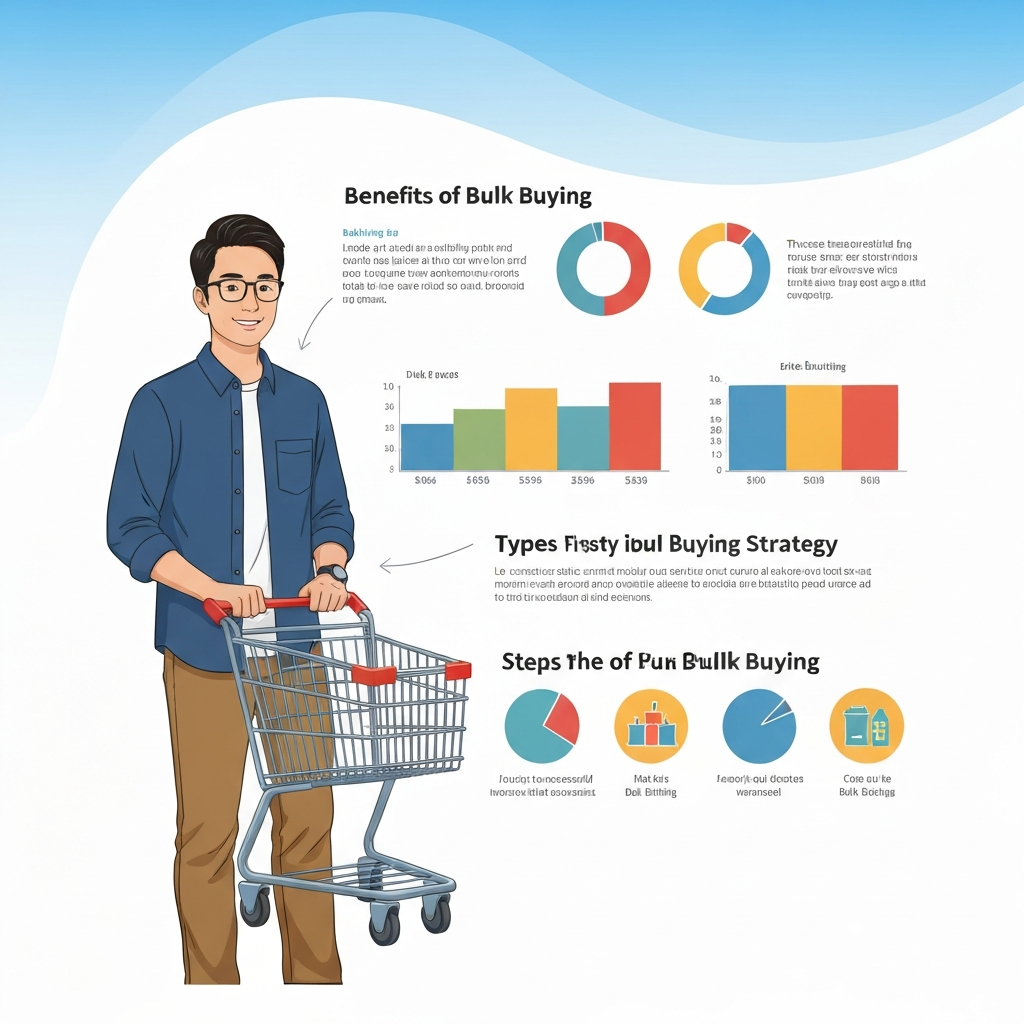
2. Essential Tools and Strategies for Successful Bulk Buying
Successful bulk buying requires more than just good intentions; it necessitates having the right tools and strategies in place. Proper storage containers are paramount to keep your bulk goods fresh and prevent spoilage. Knowing where to shop and how to plan your purchases are also crucial for a successful and cost-effective experience.
- Reusable Containers: Invest in a variety of airtight containers made from glass, stainless steel, or BPA-free plastic. Glass is an excellent option for storing food as it's non-reactive and doesn't leach chemicals. Stainless steel is durable and ideal for dry goods, while BPA-free plastic containers are lightweight and versatile for various items. Ensure the containers are properly labeled with the contents and purchase date to easily keep track of what you have and prevent food waste.
- Where to Shop: Explore your local options for bulk buying. Many grocery stores now have dedicated bulk sections where you can fill your own containers with grains, nuts, seeds, spices, and more. Co-ops and farmers' markets are also great sources for bulk produce and other locally sourced items. Online retailers specializing in zero-waste products offer a wider variety of bulk goods, often delivered directly to your doorstep. Research different stores and compare prices to find the best deals and selection for your needs.
- Planning Your Purchases: Before heading to the store, create a shopping list based on your household's needs and meal plans. Check your pantry and refrigerator to avoid buying duplicates and ensure you're only purchasing what you'll actually use. Calculate how much of each item you need and bring the appropriate sized containers to avoid overbuying or underbuying. Planning ahead not only saves you money but also minimizes food waste and ensures a more efficient shopping trip.
3. Overcoming Common Challenges in Bulk Buying
Pro Tip: Start with a "bulk audit" of your pantry. Identify the items you buy most frequently and then prioritize switching those to bulk options.
While bulk buying offers numerous benefits, it's not without its challenges. Finding the right storage solutions, avoiding food waste, and adjusting to different product qualities can be obstacles for beginners. Successfully navigating these hurdles is key to long-term adherence to bulk buying practices and maximizing its positive impact.
One of the most common challenges is the initial investment in storage containers. This can seem daunting, especially when starting out. However, consider this an investment in your sustainability journey. Gradually build your collection of containers over time, starting with a few essential sizes and adding more as needed. You can also repurpose existing jars and containers you already have at home to reduce costs. Another challenge is preventing food waste. To combat this, regularly check the expiration dates of your bulk goods and incorporate them into your meal plans accordingly. Use the "first in, first out" (FIFO) method, placing older items in front and newer items in the back to ensure timely consumption.
Finally, be prepared for potential variations in product quality when buying in bulk from different sources. Taste test new products in small quantities before committing to a large purchase. Read online reviews and seek recommendations from other bulk buyers to identify reputable suppliers. Remember that embracing bulk buying is a journey, and you'll learn and refine your strategies as you go. Don't be afraid to experiment and adapt your approach to find what works best for your lifestyle and preferences.
Conclusion
Embracing bulk buying is a significant step toward reducing your environmental impact and creating a more sustainable lifestyle. By understanding the fundamentals, investing in the right tools, and addressing potential challenges, you can seamlessly integrate bulk buying into your routine. It's more than just a trend; it's a conscious choice to prioritize waste reduction and environmental responsibility.
As the zero-waste movement gains momentum, bulk buying will continue to evolve and become even more accessible. Expect to see more stores offering bulk options, innovative packaging solutions, and increased consumer awareness. By starting your bulk-buying journey today, you're not only contributing to a healthier planet but also paving the way for a more sustainable future for generations to come. So, gather your reusable containers, plan your shopping list, and embark on this rewarding journey towards a less wasteful life.
❓ Frequently Asked Questions (FAQ)
Is bulk buying always cheaper?
While bulk buying often results in cost savings, it's not always guaranteed. The price per unit is typically lower when purchasing in bulk, but it's crucial to compare prices carefully, especially considering the initial investment in storage containers. Some specialty or organic items may be more expensive in bulk than their conventionally packaged counterparts. Furthermore, consider the potential for food waste if you buy too much of a perishable item that ends up spoiling; this ultimately negates any cost savings.
What are the best containers for storing bulk foods?
The best containers for storing bulk foods are airtight and non-reactive. Glass jars are excellent for storing dry goods like grains, beans, and nuts, as they don't leach chemicals and are easy to clean. Stainless steel containers are another durable and food-safe option. BPA-free plastic containers are lightweight and versatile but should be reserved for non-acidic foods to avoid potential leaching. Regardless of the material, ensure the containers are properly sealed to prevent moisture and pests from contaminating your food.
How can I avoid food waste when buying in bulk?
Avoiding food waste is crucial to making bulk buying truly sustainable. Start by carefully planning your purchases based on your household's needs and meal plans. Before shopping, check your pantry and refrigerator to avoid buying duplicates and ensure you're only purchasing what you'll actually use. Use the "first in, first out" (FIFO) method, placing older items in front and newer items in the back. Regularly check the expiration dates of your bulk goods and incorporate them into your meal plans accordingly. Consider freezing portions of perishable items to extend their shelf life and prevent spoilage.
Tags: #ZeroWaste #BulkBuying #SustainableLiving #PlasticFree #EcoFriendly #ReduceWaste #GoGreen